

European Nations Warn Against Renewed Iran Attacks as Energy Crisis Deepens
news

European Nations Warn Against Renewed Iran Attacks as Energy Crisis Deepens

By Editorial Team•Oct 26, 2026 · 9:45 AM•3 min read
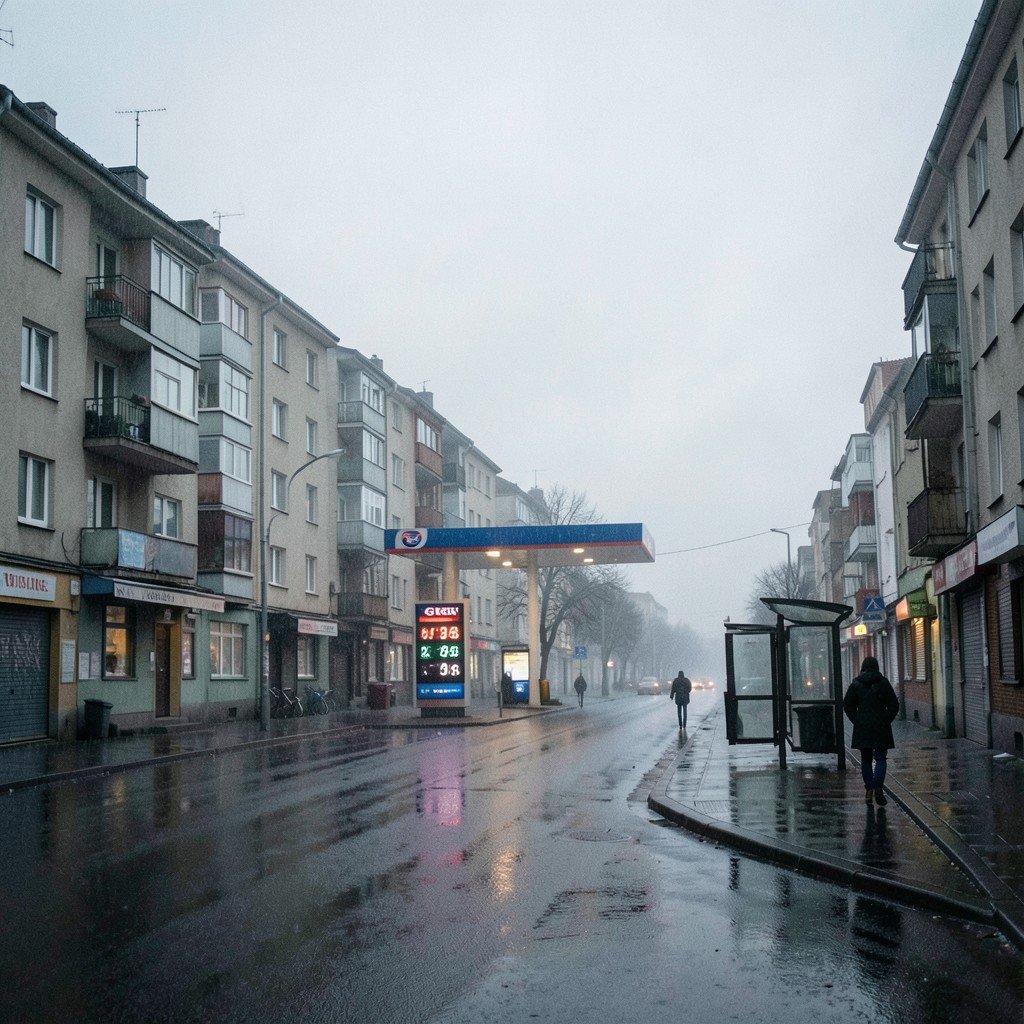
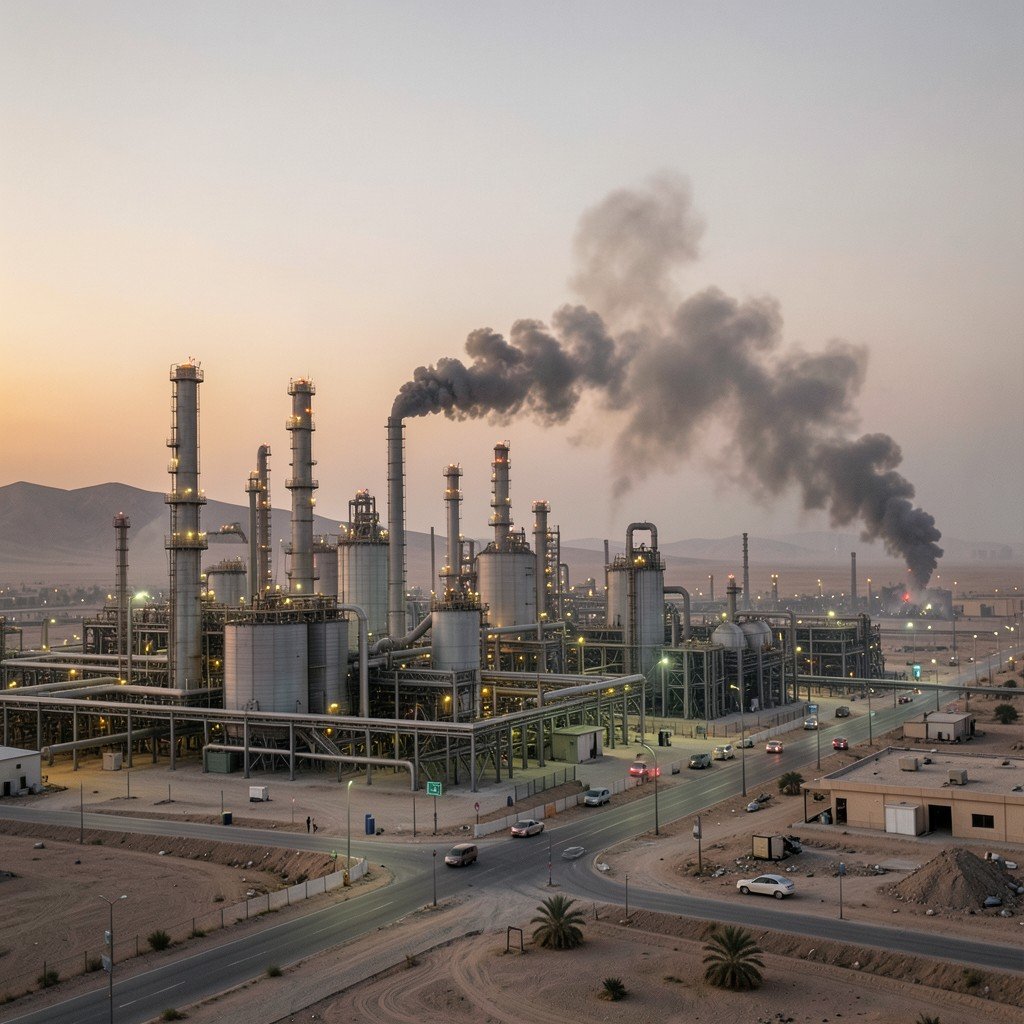
AI-generated representative image: A European city street at dusk with a petrol station, reflecting rising energy costs amid the conflict.
Editorial Team
Editorial Team
Germany, Britain and Spain shift from silence to open opposition amid soaring oil prices and a worsening cost of living crisis

Several Western European nations, including Germany and the United Kingdom, have publicly opposed any resumption of the US-Israeli war on Iran, warning that further escalation would deepen the energy and cost of living crises gripping the continent. The shift comes nearly eight months after Washington and Israel launched their opening attacks on February 28, and as global oil prices remain well above pre-war levels.

The reversal in tone reflects mounting economic pressure across Europe, where disrupted energy supplies and rising household costs have fuelled protests in multiple capitals. With Washington reportedly weighing renewed military options, European leaders are now confronting a war they did not choose and questioning whether alliance commitments oblige them to facilitate it.

Shifting European Stance

When the US-Israeli strikes began, Britain, France and Germany issued a joint statement condemning only Iran's retaliatory attacks, not the opening campaign. Now, after months of conflict, European governments are explicitly warning against another military operation.

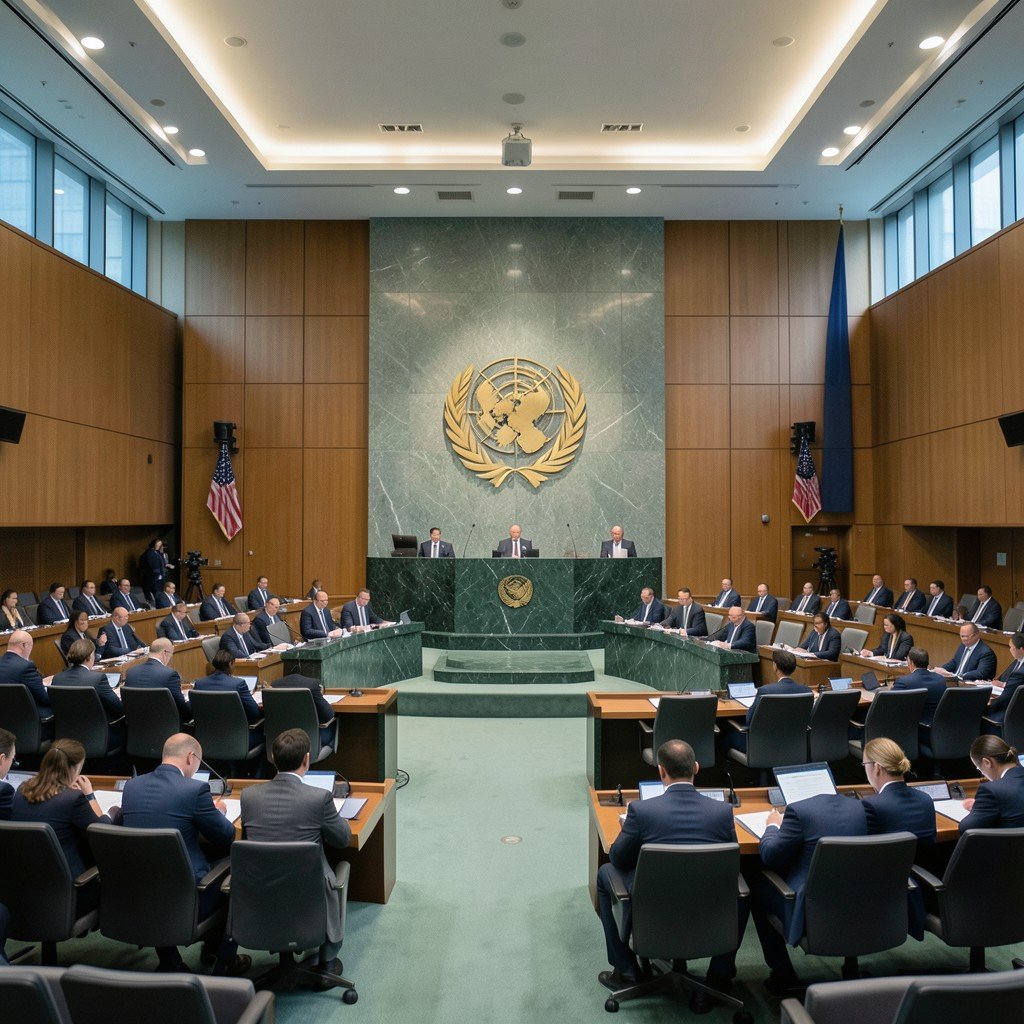
On Friday, foreign ministers from Britain, France, Germany and Italy met counterparts from Turkiye, Saudi Arabia, Pakistan and Egypt in Istanbul. French Foreign Minister Jean-Noel Barrot said further escalation "would create nothing but losers and would undoubtedly have very serious consequences for hydrocarbon prices."

Spanish Prime Minister Pedro Sanchez has been the most consistent opponent, describing the war as "illegal, unjust and unjustified" at this month's European summit and linking it to Europe's rising economic costs.
Background and Military Cooperation

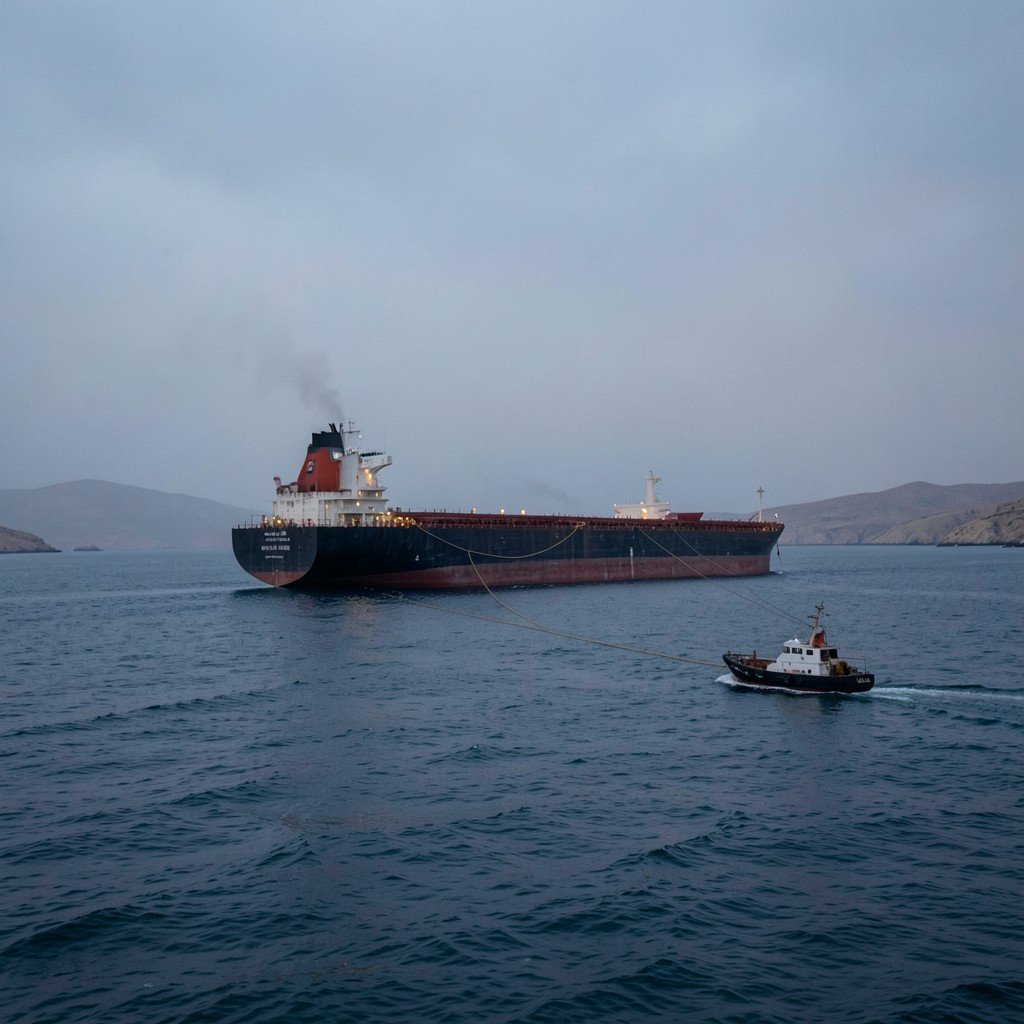
European divisions have been most visible over access to military bases and airspace. Germany said it would not restrict US use of its bases, including Ramstein. Britain initially withheld permission for the opening attacks but later authorised US use of British bases for limited defensive strikes, then expanded that to missile sites and capabilities targeting shipping in the Strait of Hormuz.

France allowed US support aircraft at Istres but later blocked a weapons flight to Israel. Spain went furthest, refusing permission for attacks from the Rota and Moron bases and closing its airspace to US aircraft involved in the war.

These differing restrictions provoked US President Donald Trump, who called Spain "terrible" and threatened trade consequences. The dispute has exposed a widening argument over whether NATO-style commitments require European governments to facilitate a war they did not choose.

Economic Impact and Public Unrest

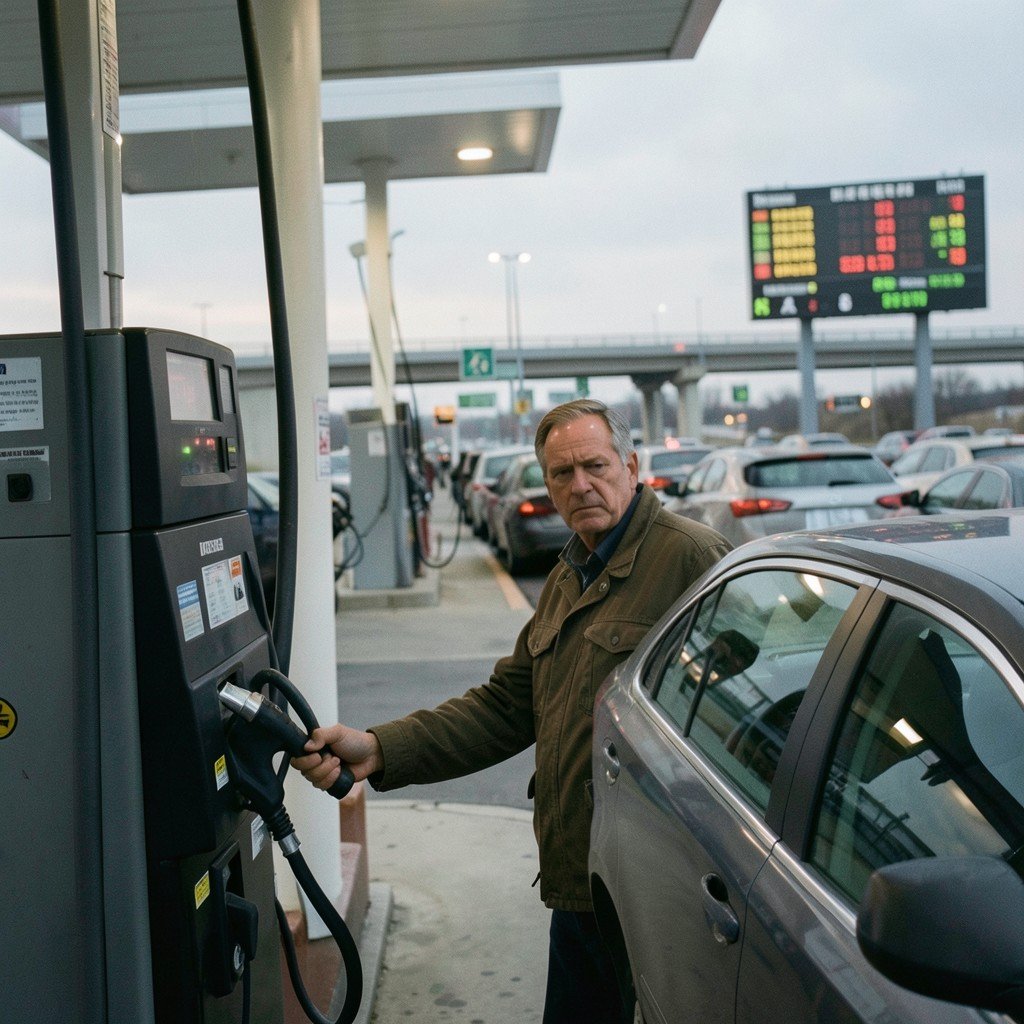
European Commission President Ursula von der Leyen said Europe's bill for imported fossil fuels had increased by 106 billion euros, while gas prices had risen about 140 percent since late February and diesel prices had doubled. Brent crude settled at $72.48 a barrel on February 27, reached $126.41 by the end of April, and remains well above $100.

Mark Hilborne, a senior lecturer at King's College London, said disruptions have sent nitrogen-based fertiliser prices up by roughly 70 percent, while shipping companies face higher insurance premiums and longer rerouted journeys.

Protests over living costs, housing, wages and public services have spread across France, Belgium, Italy, Spain, Portugal, Greece and Albania. Sociologist Donatella della Porta said young protesters fear "their future will be stolen" by wars in which they may be sent to fight.

What Lies Ahead

European governments have not abandoned their positions on Iran's nuclear programme or regional activities, but their warnings signal a clear change of course. The eight-nation Istanbul group has called on both sides to exercise restraint, while Washington continues pressing Europe to release emergency diesel stocks and has eased restrictions on Russian diesel to lower prices.

Whether further escalation occurs remains uncertain, and European leaders now face the challenge of balancing alliance commitments with mounting domestic economic and political pressure.

MORE LIKE THIS

Comments (0)

Leave a comment

A verified Gmail account is required to post comments.

No comments yet. Be the first to share your thoughts!