

Iran Warns US Military Actions Undermine Global Energy Security at GECF
news

Iran Warns US Military Actions Undermine Global Energy Security at GECF

By Editorial Team•Oct 26, 2026 · 1:24 PM•3 min read
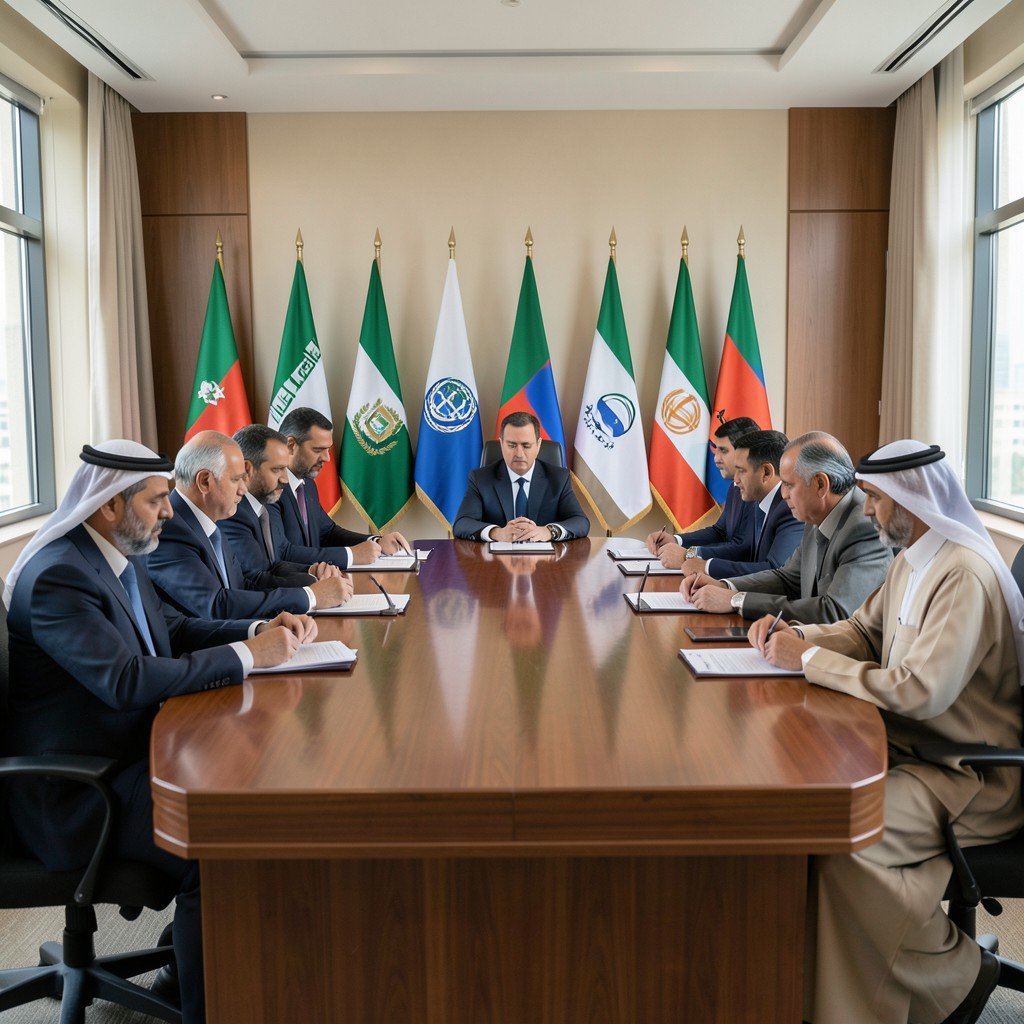
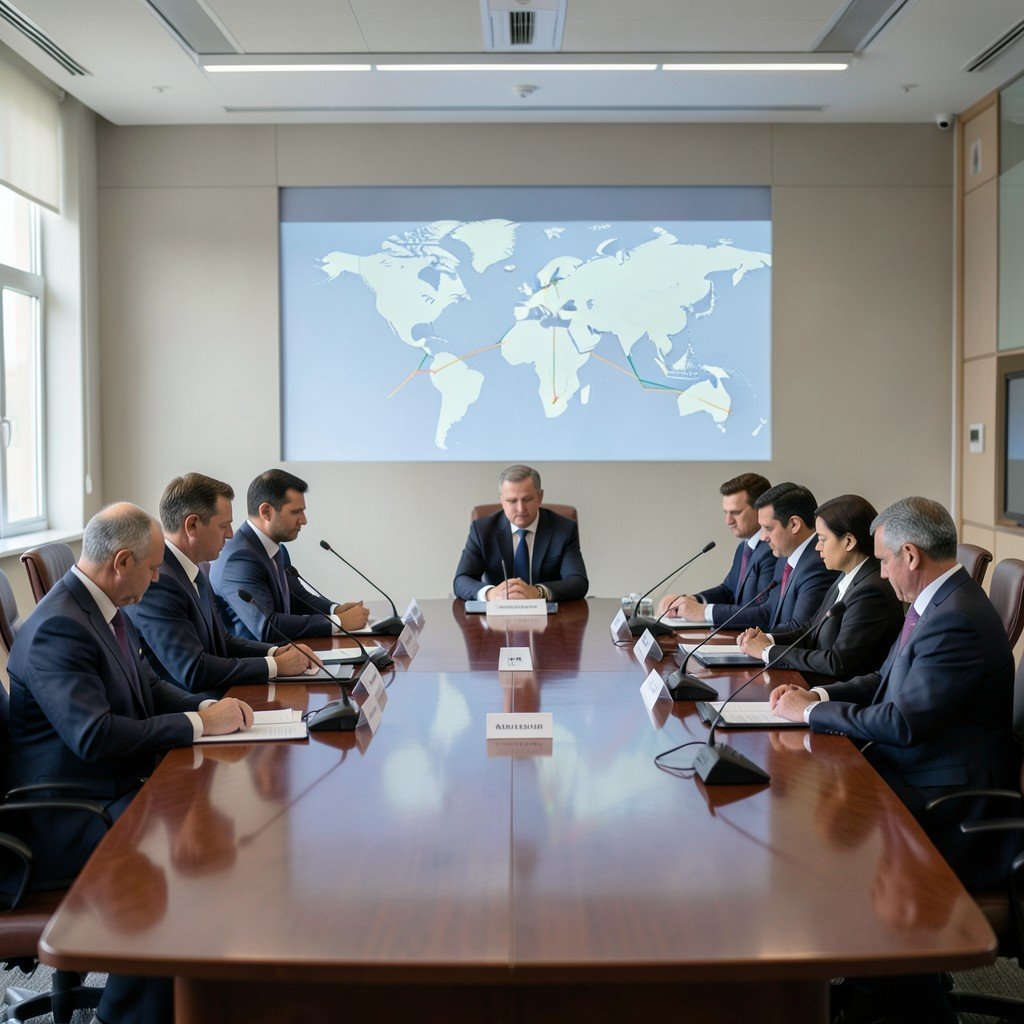
AI-generated representative image: A ministerial conference setting during an international gas exporting countries forum meeting, illustrating discussions on g
Editorial Team
Editorial Team
Hamid Bovard urges stronger producer coordination, citing $12 trillion in natural gas investment needs through 2055.

An Iranian official told the Gas Exporting Countries Forum (GECF) in Moscow on Monday that recent energy crises have shown energy security cannot be separated from peace, regional stability and respect for national sovereignty. Addressing the forum's 28th Ministerial Meeting, Hamid Bovard argued that global energy security depends on protecting energy producers, ensuring sustainable investment and strengthening international cooperation.

The remarks come as major gas-producing nations weigh how to secure long-term demand and investment amid shifting geopolitical and technological conditions. Bovard's message underscores Iran's effort to position itself as a key partner within the forum while framing Western military actions as a direct threat to the stability of global energy markets.

Calls for Strategic Coordination

Bovard urged GECF members to enhance coordination, improve their ability to respond to unexpected crises and update the forum's long-term strategy to reflect changing geopolitical and technological conditions. He proposed that the forum consider a roadmap to raise natural gas's share of the global energy mix to 30%, based on long-term demand, investment requirements and environmental considerations.

He also called on member states to pursue joint financing mechanisms, expand technological cooperation and strengthen structured dialogue between producers and consumers to reduce investment risks and ensure stable demand.
Iran's Position and Production Capacity

Bovard noted that Iran, despite decades of sanctions and the consequences of imposed wars, has developed an annual natural gas production capacity of about 300 billion cubic meters, placing it among the world's three largest gas producers. He expressed Iran's readiness to share its technical and industrial expertise with GECF members and expand joint projects.

The GECF brings together major gas-exporting nations to coordinate policies and promote the role of natural gas in the global energy system. Its ministerial meetings serve as a platform for members to align on long-term strategy, investment priorities and market stability.

Demand and Investment Projections

Bovard cited GECF projections that global gas demand will rise by 31% to more than 5.4 trillion cubic meters by 2055, increasing gas's share of the global energy mix from around 23% to 26%. Meeting that future demand would require more than $12 trillion in investment across the upstream and midstream sectors, he added.

He emphasized the continuing strategic importance of natural gas and framed the required investment as a collective responsibility that demands coordinated action among producing nations and structured engagement with consumers.

What Lies Ahead

The Moscow meeting provided a platform for members to discuss long-term strategy, though no binding decisions were announced in the available remarks. Bovard's proposals, including the roadmap to raise gas's energy mix share to 30% and joint financing mechanisms, remain under consideration by the forum. Further details on any formal outcomes from the ministerial meeting have not yet been confirmed.

MORE LIKE THIS

Comments (0)

Leave a comment

A verified Gmail account is required to post comments.

No comments yet. Be the first to share your thoughts!