

Iran-Oman Strait of Hormuz Talks Enter Final Stages Amid Trump Offer
news

Iran-Oman Strait of Hormuz Talks Enter Final Stages Amid Trump Offer

By Editorial TeamAug 3, 2026 · 6:48 AM4 min read
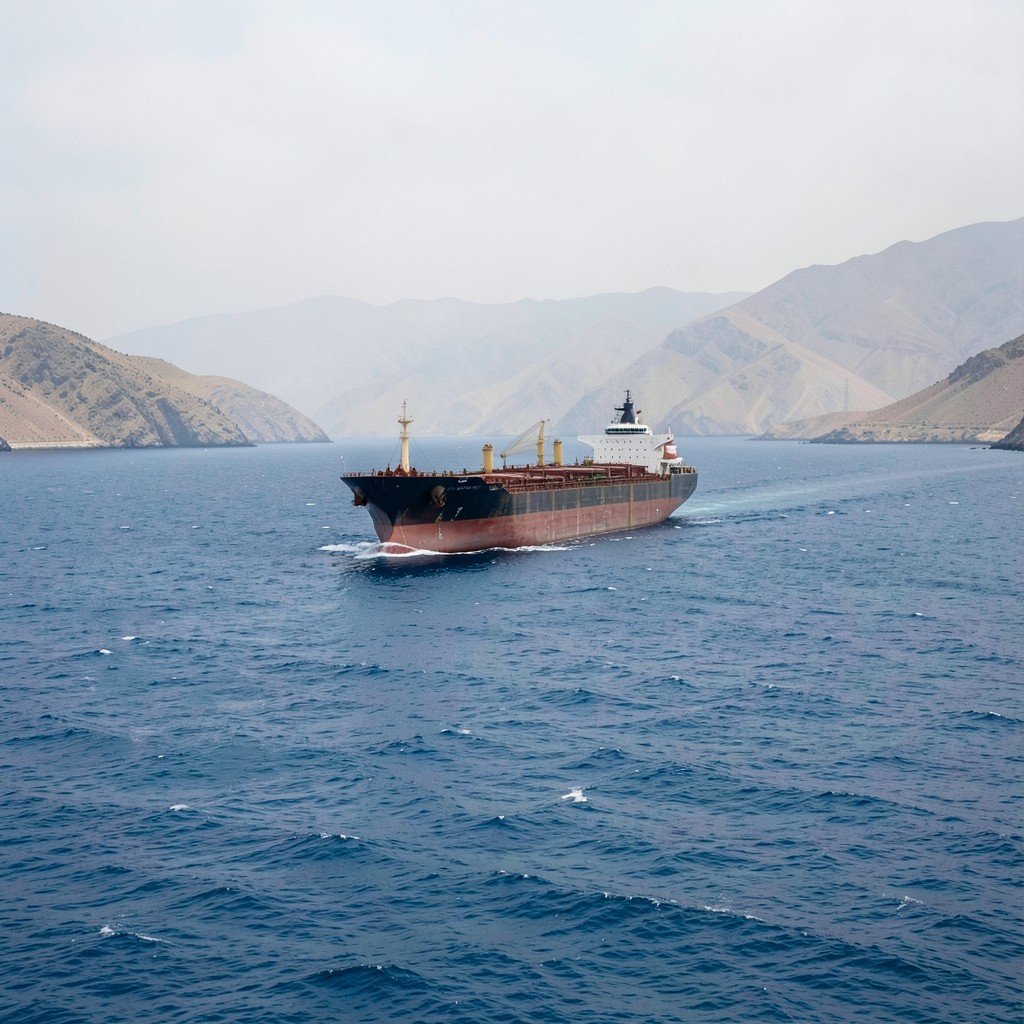
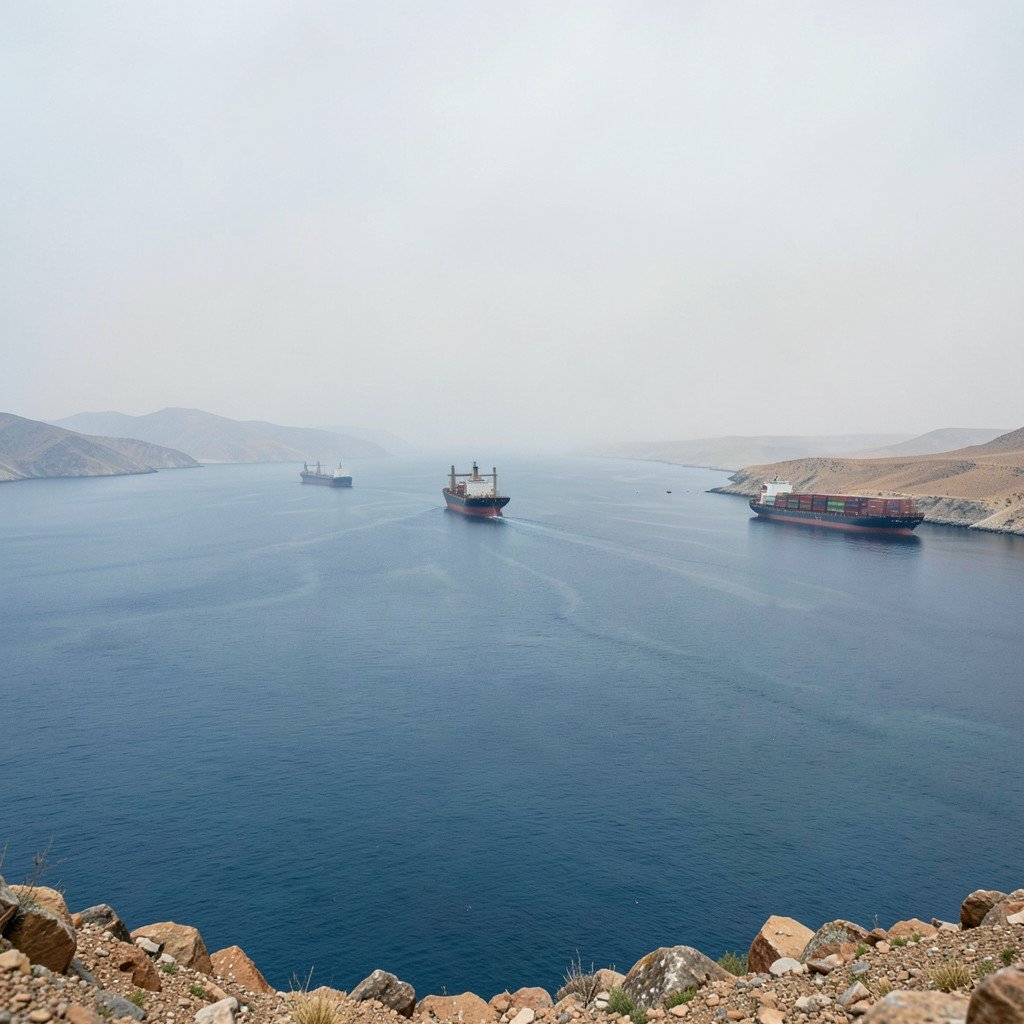
AI-generated representative image: Commercial vessels navigate the Strait of Hormuz, the strategic Gulf waterway at the center of Iran-Oman maritime negotiation
Editorial Team
Editorial Team
Tehran and Muscat near agreement on a new maritime route as Washington signals willingness to halt strikes in exchange for reopening the strategic waterway.

Iran announced Sunday that negotiations with Oman over the Strait of Hormuz have entered their final stages, with both sides nearing agreement on a new maritime route separate from existing corridors. The development comes as US President Donald Trump said he had agreed to cancel planned attacks on Iran, conditional on a rapid deal that includes the full reopening of the strait.

The Strait of Hormuz, through which roughly 20 percent of global oil consumption normally passes, has been effectively under Iranian control since the outbreak of war in late February. The diplomatic momentum between Tehran and Muscat, combined with Trump's conditional offer to halt military action, signals a potential shift in a conflict that has destabilized global energy markets and drawn in multiple regional powers.

Diplomatic Breakthrough in Progress

Foreign Minister Abbas Araghchi confirmed on Telegram that negotiations between Tehran and Muscat are "on the way to being finalised," following a report he presented to the Iranian cabinet. Foreign Ministry spokesman Esmail Baghaei elaborated on state television that the two sides are close to agreeing on a new route "acceptable to both sides - neither the northern route nor the southern route - but one that respects the sovereign rights of both sides and safeguards our national interests and security."

Baghaei stressed that any understanding with Oman on a new route is separate from the question of whether the strait itself reopens or remains closed. He blamed the United States for the closure, citing Washington's "breach of its commitments, its naval blockade of Iran and all the hostile measures" taken against Tehran. Muscat has not yet commented publicly on the negotiations.
Months of Conflict and a Collapsed Ceasefire

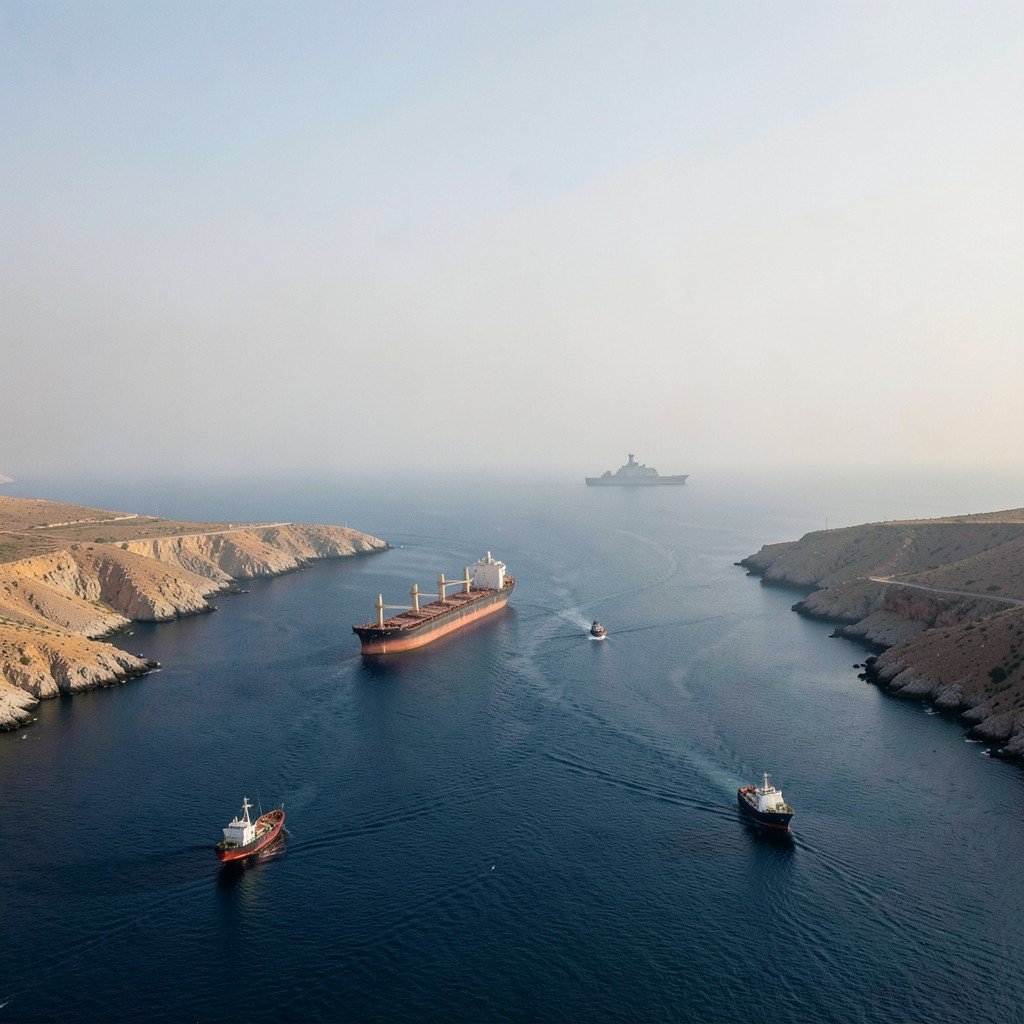
The current crisis traces back to February 28, when the United States and Israel launched strikes aimed at destroying Iran's missile programme, preventing the development of a nuclear weapon, and cutting off support for allied armed groups. Iran subsequently asserted effective control over the Strait of Hormuz. A ceasefire reached in June collapsed within weeks after a dispute over shipping routes through the waterway, and fighting reignited in July.

Both Iran and Oman share territorial waters bordering the strait, giving Muscat a unique diplomatic role in any resolution. Iranian President Masoud Pezeshkian said Sunday that a memorandum of understanding with the US would become the "cornerstone" of Tehran's future foreign relations, adding: "We must strive to make the enemy abide by what it signed. The security of our country, the region and our allies will be enhanced by this memorandum."

Trump's Conditional Offer and Regional Pressure

Trump posted on Truth Social early Sunday that the US was "locked and loaded and ready to go against the Islamic Republic of Iran" but had agreed to cancel the attack after requests from Tehran and other Middle Eastern countries. The deal he envisions "would include the Immediate, Complete, and Total OPENING OF THE HORMUZ STRAIT, and an end to Iran's nuclear threat," adding that Israel joined him in the commitment.

Saudi Crown Prince Mohammed bin Salman spoke with Trump by phone on Saturday, urging him to "prioritise dialogue" and "reduce escalation," according to the Saudi Press Agency. Axios reported that the crown prince expressed concern over plans for large new attacks against Iran. Hassan Ghashghavi, spokesman for the Iranian parliament's national security commission, told SNN that mediators were trying to revive the June MoU and that an Iranian delegation could travel to Muscat again as part of ongoing diplomacy.

What Comes Next

Negotiations between Iran and Oman on the new maritime route continue, with Ghashghavi noting that "this is the nature of diplomacy and this exchange of views continues regularly." Both sides are engaging in what analysts describe as two-sided messaging: Iran signals openness to diplomacy while maintaining military preparedness, and Washington oscillates between threats of confrontation and talk of a deal. No timeline has been confirmed for finalizing the Oman-brokered route agreement or for broader negotiations involving the United States.

MORE LIKE THIS

Comments (0)

Leave a comment

A verified Gmail account is required to post comments.

No comments yet. Be the first to share your thoughts!