

Iran Paydari Front Pushes Nuclear Treaty Withdrawal and Foreign Minister Impeachment
news

Iran Paydari Front Pushes Nuclear Treaty Withdrawal and Foreign Minister Impeachment

By Editorial Team•Oct 26, 2026 · 7:02 PM•4 min read
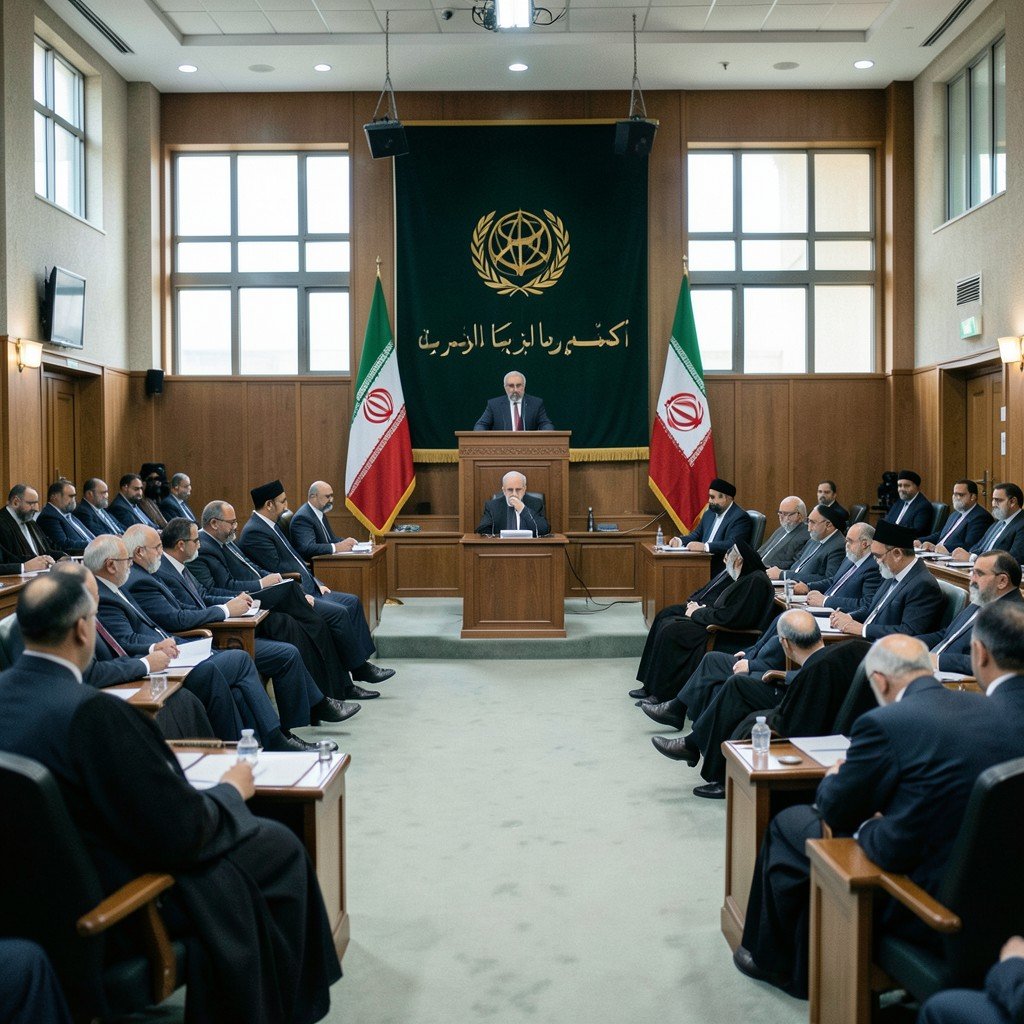
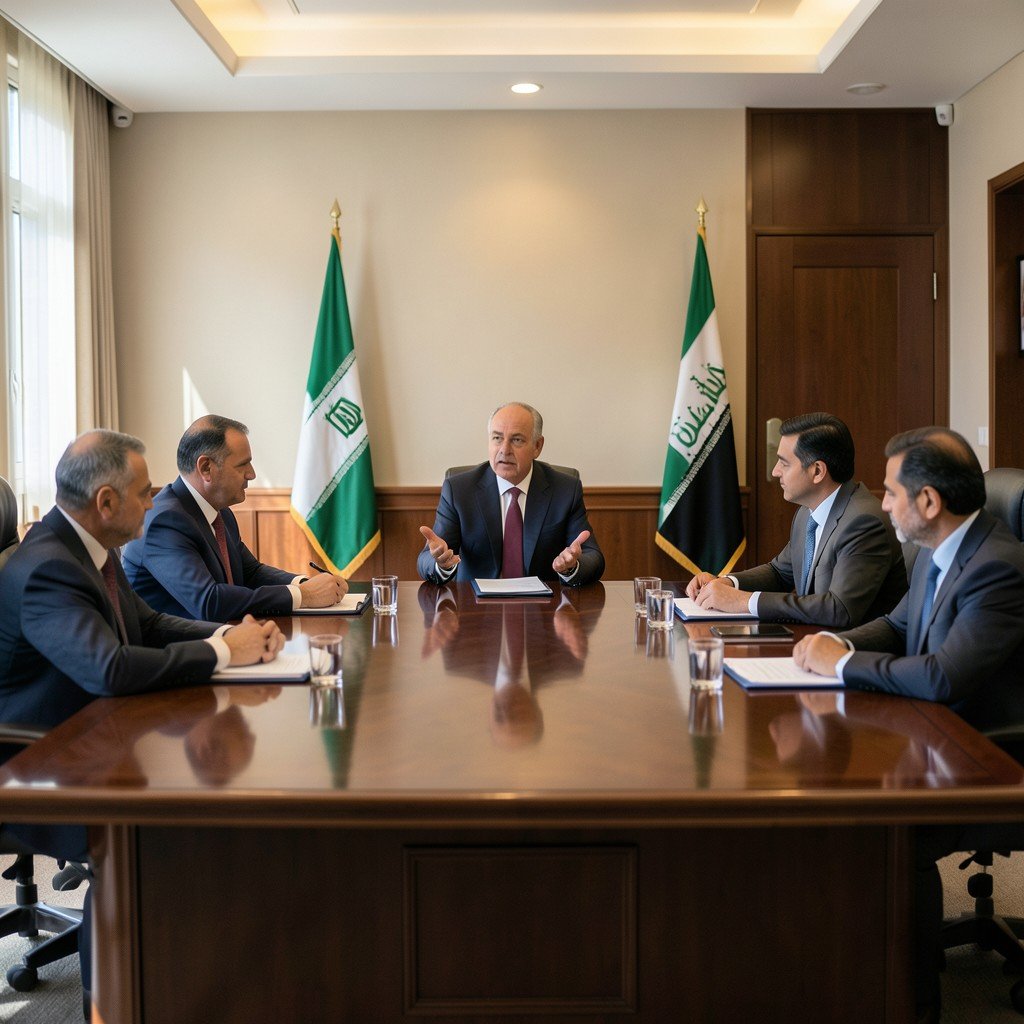
AI-generated representative image: Iran's parliament chamber during a formal session amid debate over nuclear policy and diplomacy.
Editorial Team
Editorial Team
Hardliners escalate pressure on President Pezeshkian as the internal power struggle over US nuclear negotiations intensifies

The Front of Islamic Revolution Stability, a hardline Iranian political faction known as the Paydari Front, has formally urged the Iranian parliament and the Supreme National Security Council to withdraw from the Nuclear Non-Proliferation Treaty, a move widely interpreted as a call for Iran to develop nuclear weapons "as quickly as possible."

The demand, made public as the threat of renewed war with the United States looms, marks the latest escalation in an internal struggle between anti-negotiation hardliners and the moderate camp led by President Masoud Pezeshkian, who favours diplomatic engagement.

The confrontation reflects a deepening existential power struggle within Iran eight months after the United States and Israel launched a war on February 28, citing Tehran's alleged pursuit of nuclear weapons. The conflict has largely closed the Strait of Hormuz to shipping, inflicted massive damage on Iranian and Arab infrastructure, and severely disrupted global energy supplies.

At stake is the direction of Iran's foreign policy: moderates seek a swift end to the war to rescue a crumbling economy, while hardliners argue Washington only understands force and want the conflict to continue until the US capitulates.

Hardliners Escalate Political Offensive

The Paydari Front's call for Nuclear Non-Proliferation Treaty withdrawal is part of a broader campaign against diplomatic efforts. The faction has also filed a motion in parliament to impeach Foreign Minister Abbas Araghchi following his visit to New York for the United Nations General Assembly in September.

  • Iran's parliament is considering legislation to criminalise interviews with foreign media outlets, another potential victory for hardliners.
  • Supporters of the hardline faction have held nightly rallies in major Iranian cities for the past 200 days, evolving from pro-government war protests into organised political demonstrations against diplomacy.
  • Hardliners protested President Pezeshkian's return to Tehran from the UN General Assembly, where he condemned the US war while praising the benefits of diplomacy.
Eight Months of War and Domestic Rivalry

The war between Iran and the US-Israeli coalition began on February 28, justified by Washington on the pretext that Tehran was attempting to develop nuclear weapons. Since then, the Strait of Hormuz has been largely closed to shipping, with missile and air strikes causing extensive damage to Iranian and Arab infrastructure and major disruptions to global energy supplies.

The hardline bloc holds considerable institutional power beyond street activism, maintaining a strong presence in Tehran's municipal government, parliament, religious institutions, academia and the media. Their slogans include "No compromise, no surrender" and "Negotiating with the enemy is a betrayal of the homeland."

Divergent Views on Diplomacy

Amirhossein Sabeti, a member of parliament aligned with the Paydari Front, stated that negotiations with the US will not begin unless Washington ends its siege on Iran's southern ports or lifts sanctions. "The enemy's objective of destroying Iran has not changed. It is simply waiting for the right moment to launch another surprise attack," Sabeti said. "The only language the world understands is the language of power."

Conversely, Davood Heshmati, a journalist considered close to President Pezeshkian, argued that US forces have abandoned the ambition of overthrowing the Iranian government in favour of more modest aims, making a diplomatic solution more likely. "Negotiations and a diplomatic agreement are among those alternatives, and they should always take precedence over war," Heshmati said.

Political analyst Negar Mortazavi noted that while hardliners are "well-organised and deeply entrenched," decisions on war, peace and negotiations rest with Supreme Leader Mujtaba Khamenei and the Supreme National Security Council. She observed that hardliners could not stop the JCPOA nuclear agreement under former US President Barack Obama, nor the more recent memorandum of understanding with former President Donald Trump.

What Lies Ahead

The impeachment hearing against Foreign Minister Araghchi has not yet been scheduled, and diplomatic engagement with mediators to end the war continues. Street rallies and television programmes opposing a peaceful resolution are expected to persist, but the delay in the impeachment process, combined with ongoing diplomacy, suggests the moderate camp remains a significant force in Iran's political landscape.

MORE LIKE THIS

Comments (0)

Leave a comment

A verified Gmail account is required to post comments.

No comments yet. Be the first to share your thoughts!