Tokyo Zoo Lionesses Die of Heatstroke as East Asia Heatwave Breaks Records
news

Tokyo Zoo Lionesses Die of Heatstroke as East Asia Heatwave Breaks Records

By Editorial TeamAug 4, 2026 · 8:38 PM4 min read
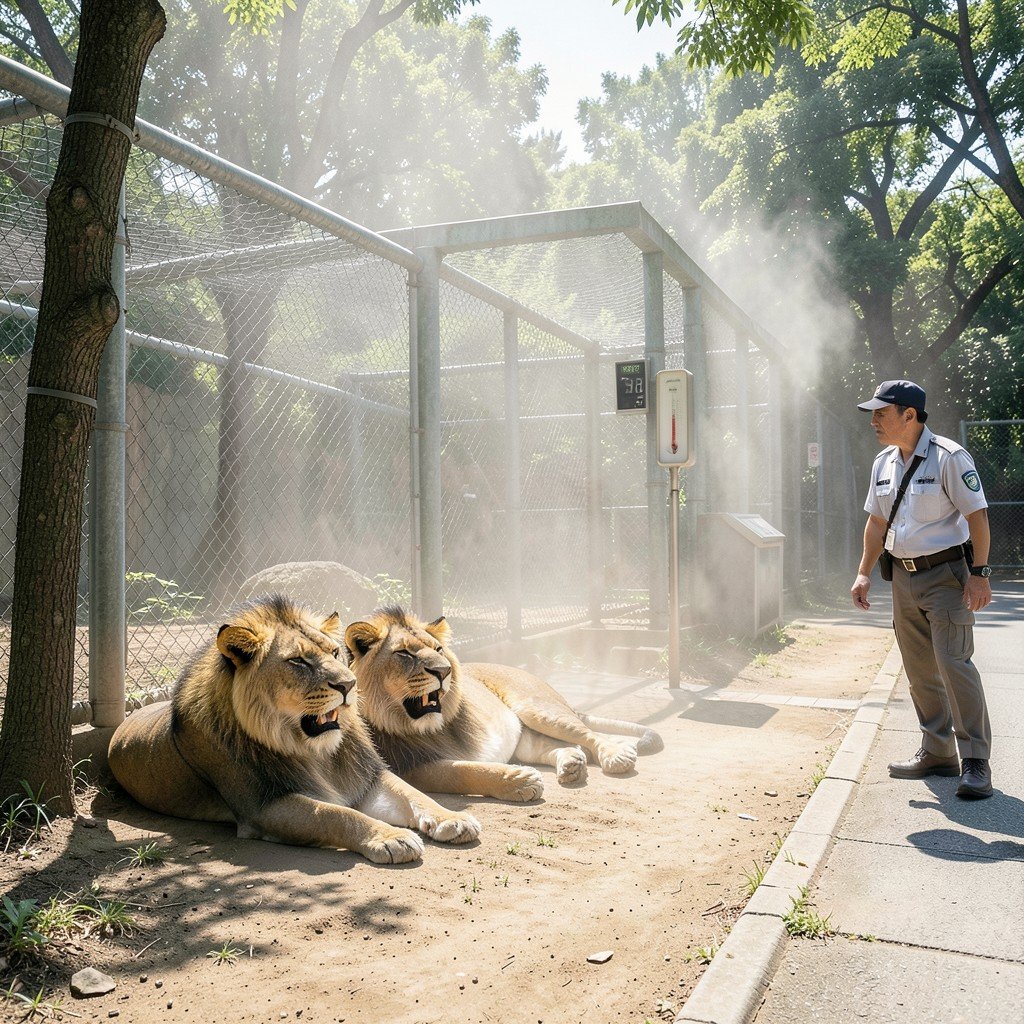
AI-generated representative image: Lion enclosure at a Japanese zoo during extreme summer heatwave conditions as East Asia experiences record-breaking temperatu
Editorial Team
Editorial Team
South Korea declares national disaster with 19 dead; Japan reports 18,600 heat-related hospitalizations in one week

Three lionesses at Tama Zoological Park in Tokyo have died from suspected heatstroke as a relentless heatwave continues to scorch East Asia, shattering temperature records and prompting South Korean President Lee Jae Myung to declare a national disaster on Tuesday.

The deaths of Mugi (3), Ichigo (11), and Luena (15) occurred between July 28 and August 2, according to zoo officials. Their passing comes as Japan recorded nearly 18,600 heatstroke hospitalizations in a single week, with 45 fatalities, while South Korea has confirmed 19 heat-related deaths since mid-May.


The unfolding crisis underscores the escalating human and ecological toll of extreme weather across the region, with vulnerable populations - particularly the elderly - bearing the heaviest burden. In South Korea, 13 of the 19 confirmed fatalities were aged 80 or above, and more than 2,025 people have suffered heat-related illnesses nationwide since May 15.

The heatwave is not an isolated event. Scientists link the intensifying frequency and severity of such extremes to human-driven climate change, while the United Nations weather agency has warned that a strengthening El Nino pattern is set to push global temperatures even higher in the coming months.

Heatwave Toll Across East Asia

  • South Korea's temperature record was broken three times in one week, peaking at 42.5°C (108.5°F) in Yangsan on Sunday - the highest in 122 years of weather observations.
  • President Lee Jae Myung called for a major redesign of the national disaster response system and ordered inspections of power infrastructure amid surging air conditioning demand.
  • In Japan, 18,600 people were hospitalized for heatstroke between July 20 and 26, with 45 pronounced dead on arrival. Parts of the country have reached 40°C, earning the new official designation "cruelly hot day."
  • North Korean state media confirmed heat advisories remain in place across much of the country through the week, though casualty figures remain unknown due to the absence of media freedom.

Climate Patterns and Global Reach

The extreme conditions are not limited to East Asia. Across Europe, intense heat and strong winds have fueled wildfires in Greece, forcing evacuations, while Spain and France remain on high alert for new blazes. The United States has also recorded extreme temperatures that have heightened wildfire risks.

The United Nations weather agency warned on Friday that a strong El Nino pattern is expected to intensify beginning this month. The naturally occurring climate phenomenon - characterized by warmer-than-usual Pacific Ocean waters - disrupts global weather systems and typically amplifies heatwaves, droughts, and storms worldwide. Combined with the long-term warming effects of human-driven climate change, forecasters anticipate above-normal temperatures and significant shifts in rainfall patterns globally.

Zoo Deaths and Veterinary Findings

A spokeswoman for Tama Zoological Park confirmed that a veterinarian suspects heatstroke as the cause of death for all three lionesses. Mugi died on Tuesday, July 28; Ichigo on Friday, July 31; and Luena on Sunday, August 2.

"Even though lions are thought to be resistant to heat, zookeepers have been strengthening countermeasures to cope with Japan's summer heat in recent years," the spokeswoman said. "Heat here comes with high humidity that is different from heat with dry air in Africa." The zoo, Tokyo's largest, has been adapting its animal care protocols as summers grow increasingly severe.

Ongoing Response and Outlook

South Korean President Lee has directed officials to ensure support reaches those worst affected and to inspect power systems as demand for air conditioning surges. He has also called for a comprehensive redesign of the country's disaster response framework to address what he described as a high likelihood that "extreme weather will continue for a considerable period."

In North Korea, state media reported that water parks in Pyongyang have drawn large crowds as heat advisories persist. Across the region, authorities continue to urge residents to take precautions as the El Nino-influenced conditions show no immediate signs of easing.

MORE LIKE THIS

Comments (0)

Leave a comment

A verified Gmail account is required to post comments.

No comments yet. Be the first to share your thoughts!