

Yemen strikes Sanaa airport runway as Houthis fire missiles
news

Yemen strikes Sanaa airport runway as Houthis fire missiles

By Editorial TeamJul 13, 2026 · 7:46 PM6 min read
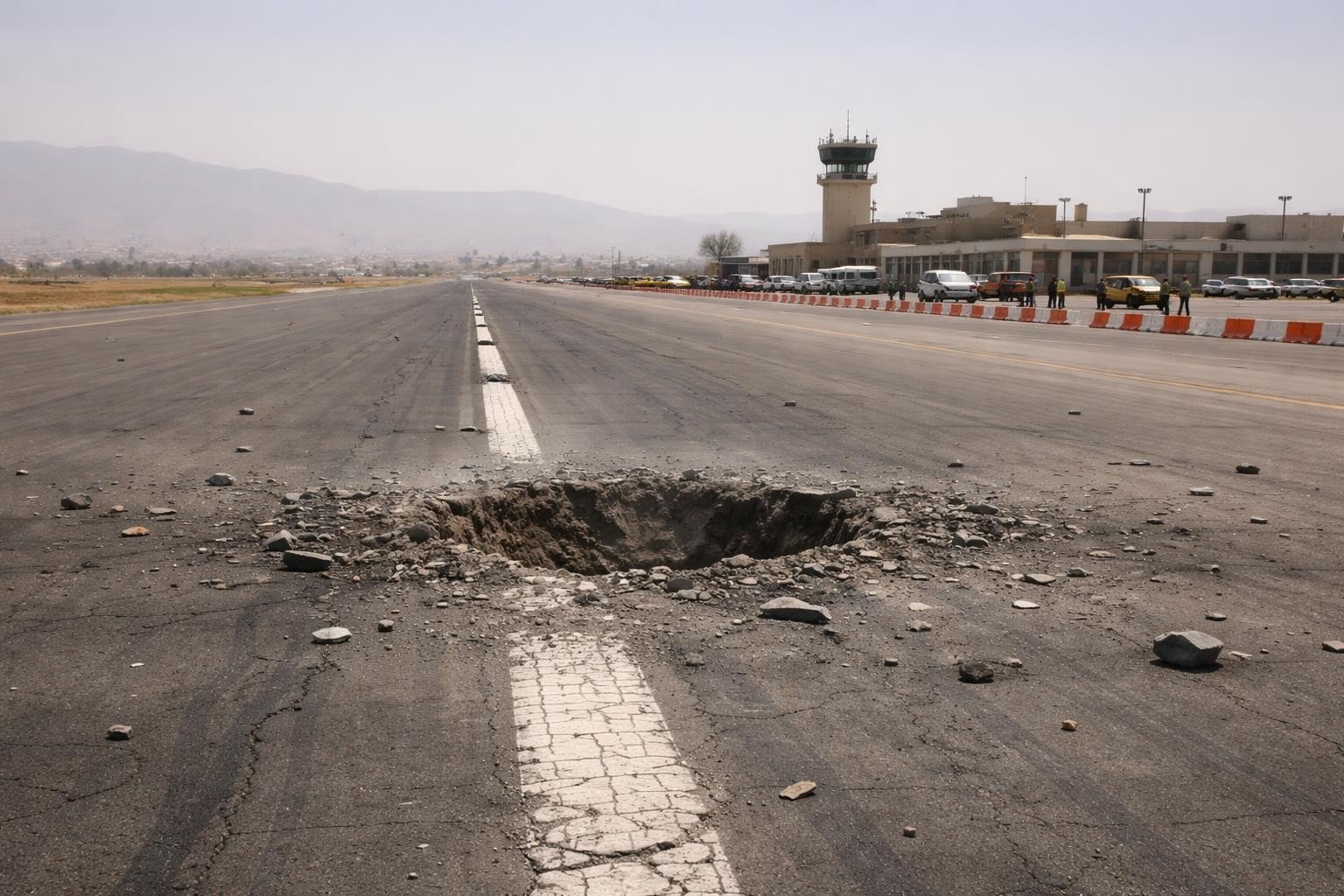
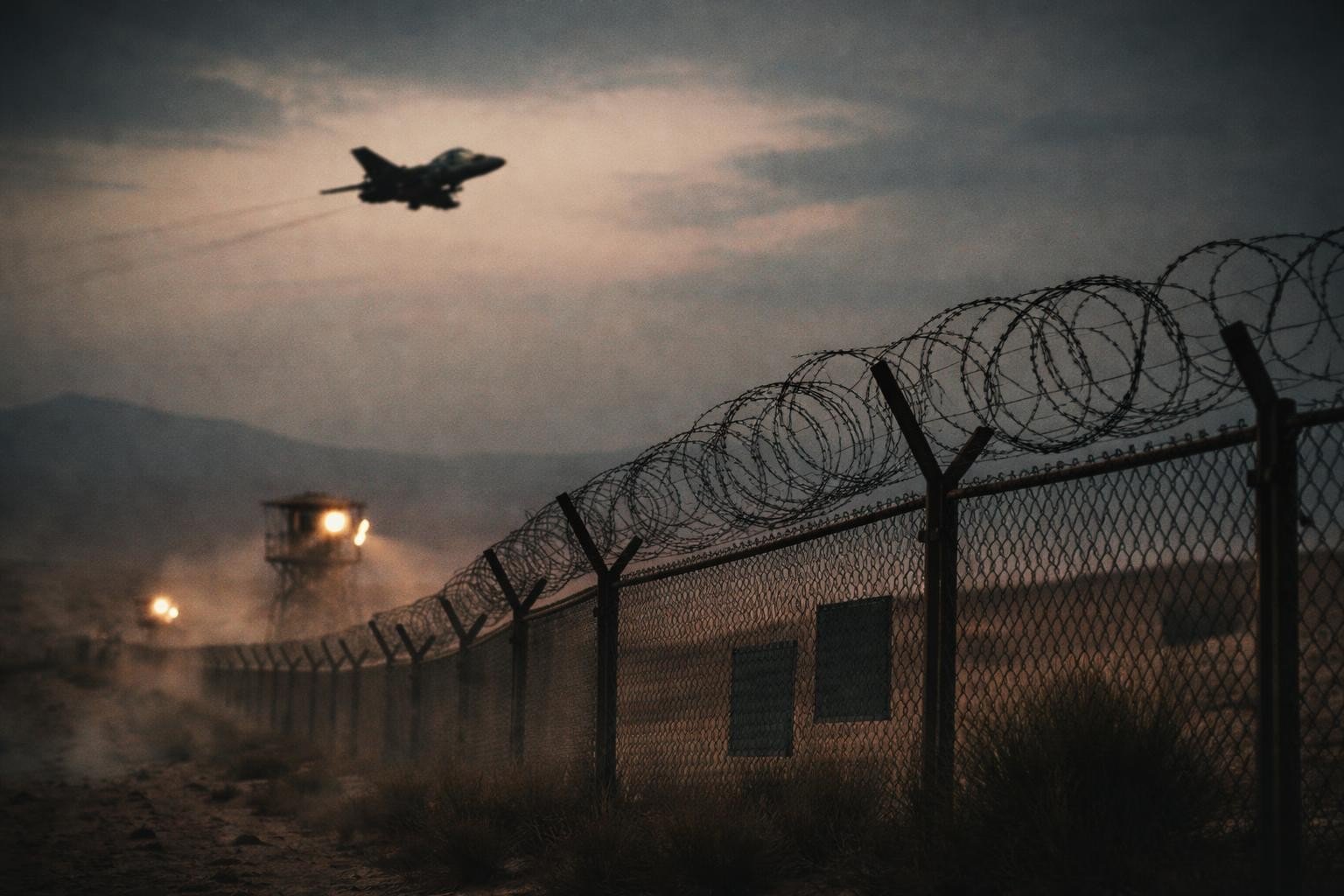
AI-generated representative image of damage on an airport runway amid Yemen tensions involving Sanaa airport and reported missile launches.
Editorial Team
Editorial Team

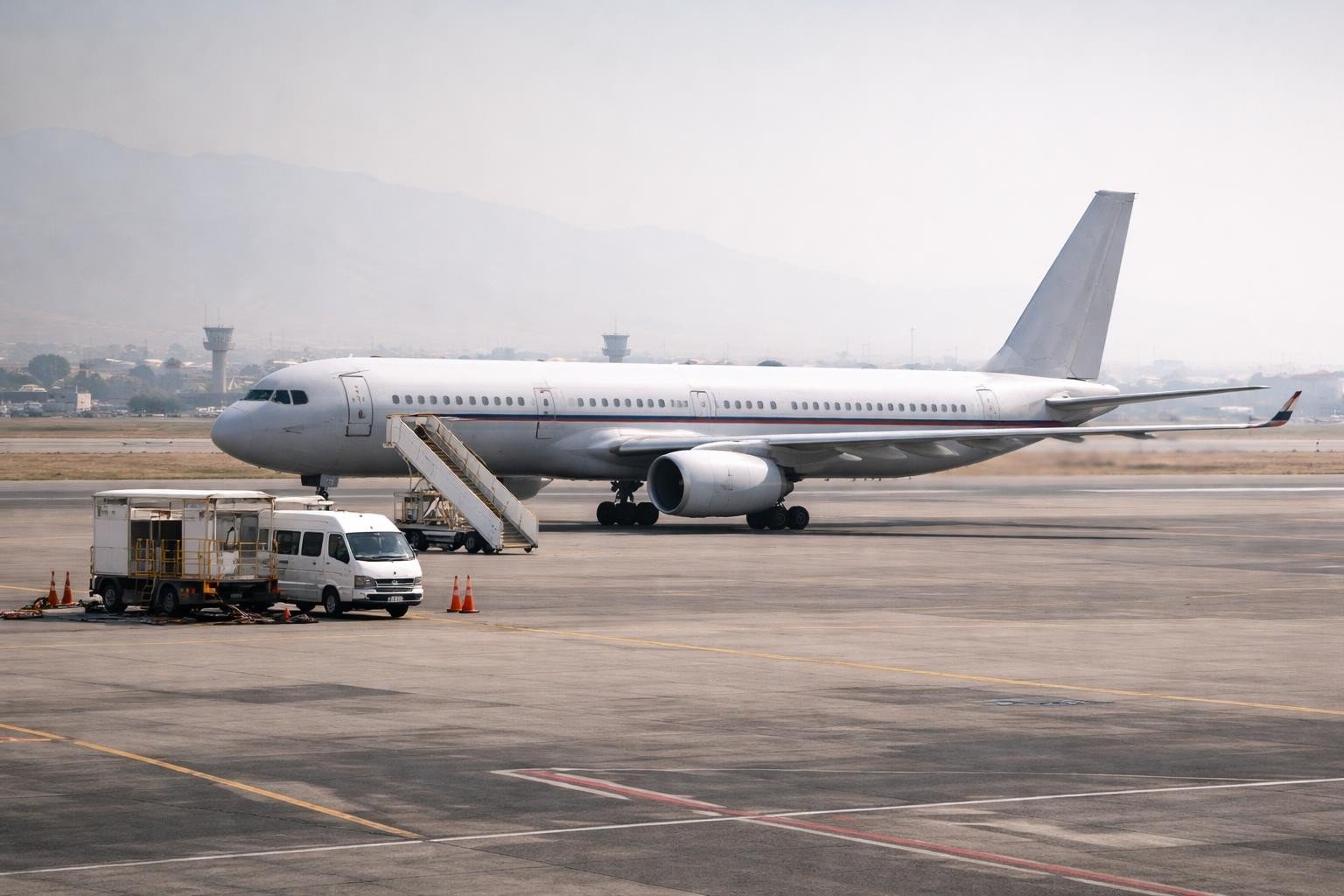
Yemen’s internationally recognised government said it struck the runway at Sanaa airport on Monday to prevent an Iranian aircraft from landing, as tensions with the Iran-aligned Houthi movement escalated into reported ballistic missile launches later the same day.

The Saudi-led coalition backing the Yemeni government said its air defences intercepted missiles fired by the Houthis towards the kingdom’s southern region, amid warnings from the United Nations that the latest moves risk triggering a new cycle of violence.

The developments have heightened concerns that Yemen’s long-running war—largely frozen in many areas since a UN-backed ceasefire—could intensify again, with potential consequences for civilians, humanitarian operations and regional security, including Saudi Arabia.

The confrontation also underscores a widening dispute over flights linked to Iran and the Houthis, with the Yemeni government describing such aircraft as violating Yemen’s airspace and the Houthis accusing Saudi Arabia of attacks, claims Riyadh has not publicly addressed in the latest incident.

The Yemeni government said its forces bombed the runway at Sanaa airport on Monday to stop the landing of a plane carrying a Houthi delegation arriving from Iran. In a statement, the government said:

“The Houthi terrorist militia, supported by the Iranian regime, prevented Yemeni national aircraft from landing at the capital’s airport, Sanaa, and insisted that the Iranian aircraft violate Yemeni airspace. Therefore, the airport runway was targeted,”

Earlier, Yemen’s Defence Ministry issued an evacuation warning, urging civilians, workers, diplomatic missions and humanitarian organisations to immediately leave the airport and surrounding areas “until further notice.”

Later on Monday, the Houthis said the aircraft carrying a delegation returning from Tehran had landed in Hodeidah, a Red Sea port city controlled by the group. Houthi broadcaster al-Masirah quoted the group’s transport minister as saying:

“the Iranian plane has landed on the homeland’s soil, carrying a number of medical patients and stranded citizens, accompanied by the official delegation of the Republic of Yemen”.

The Houthis said they would respond to the attack and blamed Saudi Arabia without providing evidence. Houthi military spokesman Yahya Saree warned:

“this aggression will not go unanswered or unpunished”.

On Monday evening, the Saudi-led coalition for Yemen reported intercepting Houthi-fired ballistic missiles aimed at the kingdom’s south. Coalition spokesman Turki al-Maliki said:

“Air defences intercepted a ballistic missile threat launched by the terrorist Houthi militia towards the southern region,”

There was no immediate comment from Saudi authorities on the airport strike or the Houthi accusation.

Iran condemned the runway strike. Foreign Ministry spokesman Esmaeil Baghaei described it as:

“as a clear violation of international law and the United Nations Charter, as well as an affront to Yemen’s national sovereignty and territorial integrity,”

according to Iran’s state news agency IRNA.
Yemen has been divided for years between the internationally recognised government—based in Aden on the south coast and backed by Saudi Arabia and other Gulf states—and the Houthi movement, which controls the capital Sanaa and much of northern Yemen, including Hodeidah on the western Red Sea coast. The latest airport strike and missile interceptions come against this backdrop of contested authority and shifting front lines.

The Saudi-led coalition intervened militarily in Yemen in 2015 after the Houthis seized Sanaa and ousted the government. The conflict has driven mass displacement and severe economic and infrastructure damage, while the United Nations has repeatedly described Yemen’s situation as one of the world’s most serious humanitarian crises.

Tensions over air traffic and alleged attacks on aircraft have been rising in recent weeks. Earlier this month, the Houthis accused Saudi Arabia of attacking an Iranian plane that landed in Sanaa and later departed carrying a Houthi delegation. Following that allegation, the Houthis threatened to target Saudi airports and “vital assets” if Riyadh violated their airspace or attempted another attack.

Against that context, the Yemeni government has framed the latest strike as part of its effort to stop what it calls violations of Yemeni airspace by Iranian aircraft. On Monday, the defence minister said the government had exhausted diplomatic efforts to persuade Iran and the Houthis to halt such flights, and warned that government forces would respond to any “hostile aircraft” entering Yemen’s airspace “by all available means,” while holding Iran responsible.

The current escalation has also revived fears of cross-border strikes on Saudi Arabia, a pattern seen during earlier phases of the war. The source material notes that the latest confrontation raises the spectre of renewed Houthi attacks on the kingdom despite a UN-backed ceasefire that had largely frozen the conflict.

Separate from the airport dispute, Moammar bin Mutahar Al-Eryan, the information minister in the internationally recognised government, said the Houthis had detained an aircraft belonging to the International Committee of the Red Cross at Sanaa airport and were holding its pilot and co-pilot. The claim adds to concerns about operational constraints and risks faced by international humanitarian actors.

The Yemeni government’s justification for the runway strike was presented in its Monday statement, which said the Houthis blocked “Yemeni national aircraft” from landing at Sanaa airport and insisted an Iranian aircraft enter Yemeni airspace. The government said this was why “the airport runway was targeted.” The source material does not provide independent verification of the government’s account.

The Defence Ministry evacuation warning explicitly named civilians, workers, diplomatic missions and humanitarian organisations, directing them to leave the airport and its surroundings immediately and to remain away “until further notice.” The source material does not say whether the warning was followed, nor does it provide details on damage or casualties from the strike.

The Houthis’ account differed, saying the plane was able to land in Hodeidah and describing its passengers as including “medical patients and stranded citizens” alongside an “official delegation.” The group also attributed the runway strike to Saudi Arabia without offering evidence. Separately, the Saudi-led coalition reported intercepting ballistic missiles launched “towards the southern region” of Saudi Arabia, describing the projectiles as a “ballistic missile threat” fired by what it called the “terrorist Houthi militia.”

Iran’s condemnation, as reported by IRNA, cited international legal principles, calling the strike a “clear violation of international law and the United Nations Charter” and “an affront to Yemen’s national sovereignty and territorial integrity.” The source material includes no immediate Saudi response to the incident.

By the end of Monday, the key confirmed claims in the source material were: the Yemeni government’s announcement that it targeted Sanaa airport’s runway; the Houthis’ statement that an Iran-linked aircraft landed in Hodeidah; and the Saudi-led coalition’s report that it intercepted ballistic missiles fired towards southern Saudi Arabia.

Diplomatic efforts to prevent further escalation were also under way. Hans Grundberg, the UN Special Envoy for Yemen, said his office was in contact with all parties and urged restraint, warning of the danger of escalation. In a statement, he said:

“We are urging them to de-escalate and refrain from any actions that would risk a new cycle of violence in Yemen,”

Further information on any additional military action, investigations, or responses from Saudi authorities was not provided in the source material.

MORE LIKE THIS

Comments (0)

Leave a comment

A verified Gmail account is required to post comments.

No comments yet. Be the first to share your thoughts!