


Australian Teens Defy Under-16 Social Media Ban as Age Checks Fail
news

Australian Teens Defy Under-16 Social Media Ban as Age Checks Fail

By Editorial TeamAug 1, 2026 · 6:56 PM4 min read
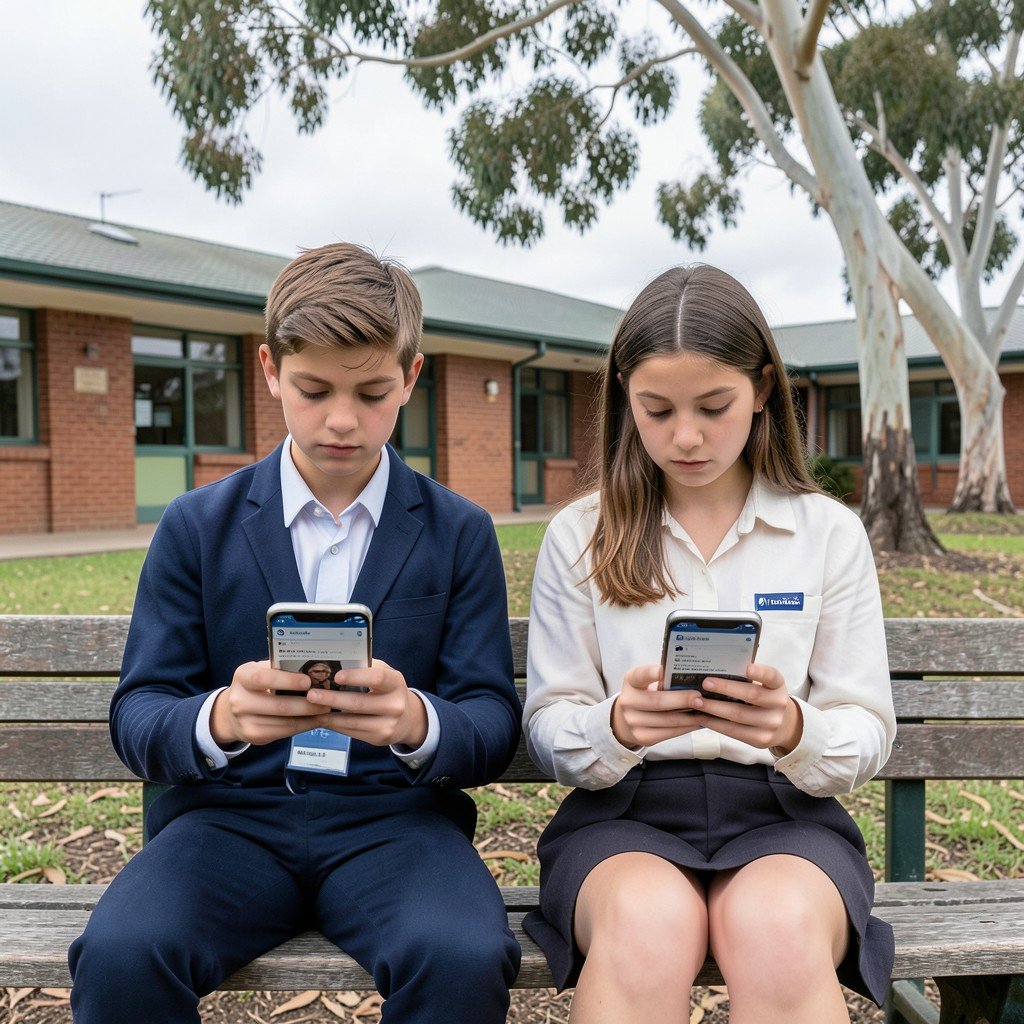
AI-generated representative image: Australian teenagers continue using social media on smartphones despite the under-16 age restriction, as age verification sys
Editorial Team
Editorial Team
eSafety report shows 81 percent of under-16s remain on age-restricted platforms three months after landmark regulation took effect

More than eight in 10 Australian teenagers are still using social media three months after the country's landmark ban on under-16 access took effect, with tech platforms failing to implement effective age checks, according to findings released by Australia's internet regulator eSafety on Friday.

The study reveals that the world-first ban, which came into force on December 10 last year, has made only a marginal difference, with 81 percent of children surveyed still using at least one age-restricted platform in March, compared with 86 percent before the restrictions began.

The findings raise serious questions about the enforceability of age-based social media restrictions, as Australia's pioneering legislation is being closely watched by numerous countries considering similar measures. The ban was introduced amid growing global concern over the impact of social media on the mental and physical health of children and young people.

With parental awareness of children's online habits actually declining since the ban and daily usage rates barely shifting, the report underscores a widening gap between legislative intent and practical implementation.

Key Findings from the eSafety Report

The regulator's study found that approximately 58 percent of teenagers reported using social media daily, a negligible drop from roughly 60 percent before the ban. Most children aged between 10 and 15 continued using platforms just as frequently in March as they had before restrictions took effect.

About half of the children who retained their accounts said platforms had simply not checked their age, making this the most common reason they remained on the services. Others reported that their accounts listed them as aged 16 or older, or that age-checking systems had incorrectly classified them as adults.

The report also showed minimal change in offline activities, including sports and physical activity, arts and music, time spent with friends and family, and attendance at community events, suggesting the ban has not yet produced the intended lifestyle shifts.

Australia's World-First Legislation

Australia enacted the under-16 social media ban in response to mounting evidence linking excessive platform use to deteriorating mental and physical health among children and adolescents. The legislation positioned Australia as the first country to impose such a comprehensive age-based restriction on social media access.

The implementation of the ban has been closely monitored internationally, with several nations subsequently moving toward their own restrictions. The United Kingdom has proposed a voluntary overnight social media curfew for older teens, while the United States Supreme Court has cleared the path for Texas to enforce an app age verification law.

Australia has also signalled its willingness to escalate enforcement, previously announcing plans to double fines on Big Tech companies as children continue to bypass the restrictions.

Government Defends the Ban

Andrew Leigh, Australia's assistant minister for productivity, competition, charities and treasury, defended the legislation on Saturday after being confronted with the regulator's findings. He argued the ban had already reshaped the national conversation around children and technology.

"We've had millions of accounts shut down," Leigh said in televised remarks, describing the ban as "an important game changer in the conversation among parents." He acknowledged that full compliance was never expected, drawing a comparison: "We don't get 100 percent compliance out of minimum drinking age laws, but it's still appropriate that we have that law on the books."

eSafety's statement confirmed that "most under-16s who had social media accounts before commencement were able to either retain them or create new ones at the three-month mark, with social media platforms' failure to implement effective age assurance measures cited as the main reason."

What Lies Ahead

The eSafety findings place increased pressure on social media platforms to develop and deploy robust age verification systems. With millions of accounts reportedly shut down yet overall usage barely affected, the regulator's report suggests that account closures alone are insufficient without stronger technological enforcement.

As international observers continue to monitor Australia's experience, the coming months will be critical in determining whether the ban can achieve meaningful compliance or whether legislative approaches alone can effectively shield young users from age-restricted platforms.

MORE LIKE THIS

Comments (0)

Leave a comment

A verified Gmail account is required to post comments.

No comments yet. Be the first to share your thoughts!