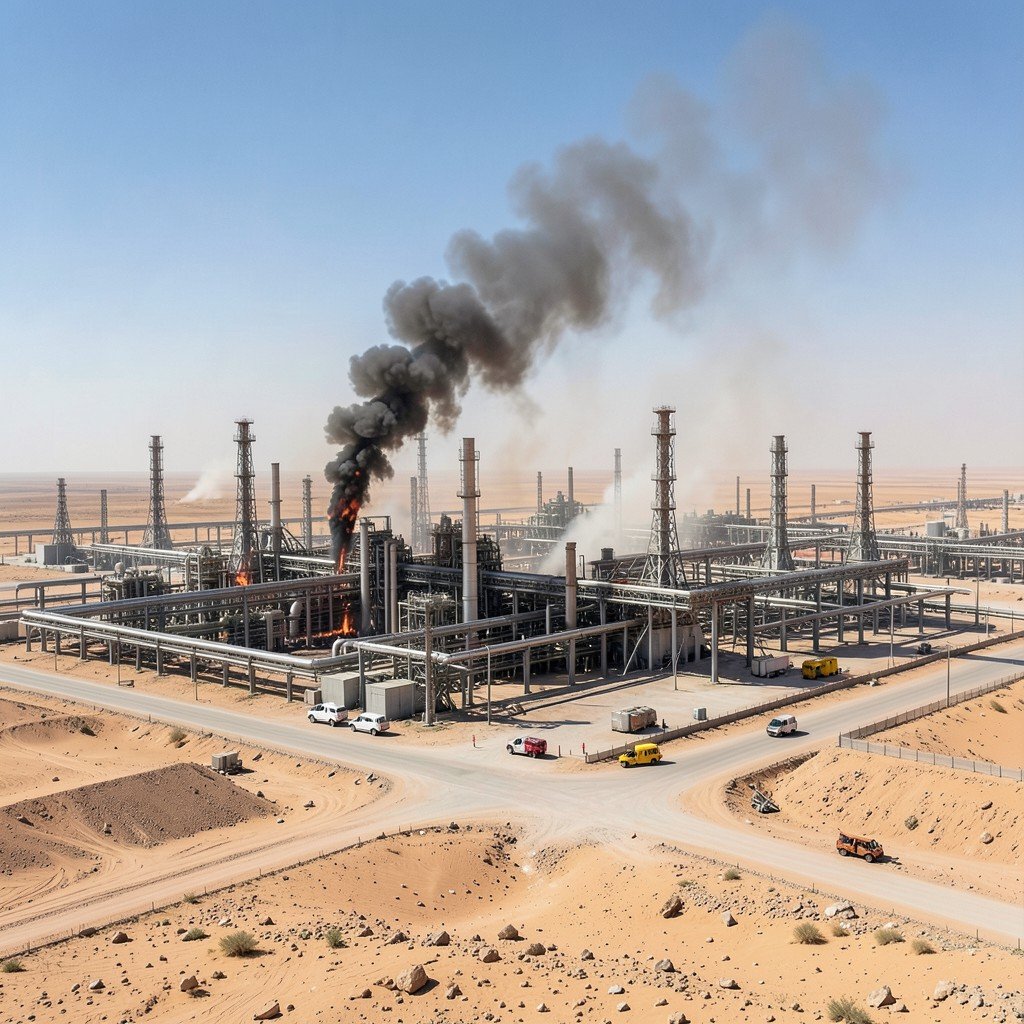


Yemen Intercepts Eight Saudi Oil Tankers at Bab el-Mandeb Strait
news

Yemen Intercepts Eight Saudi Oil Tankers at Bab el-Mandeb Strait

By Editorial TeamAug 1, 2026 · 5:45 AM3 min read
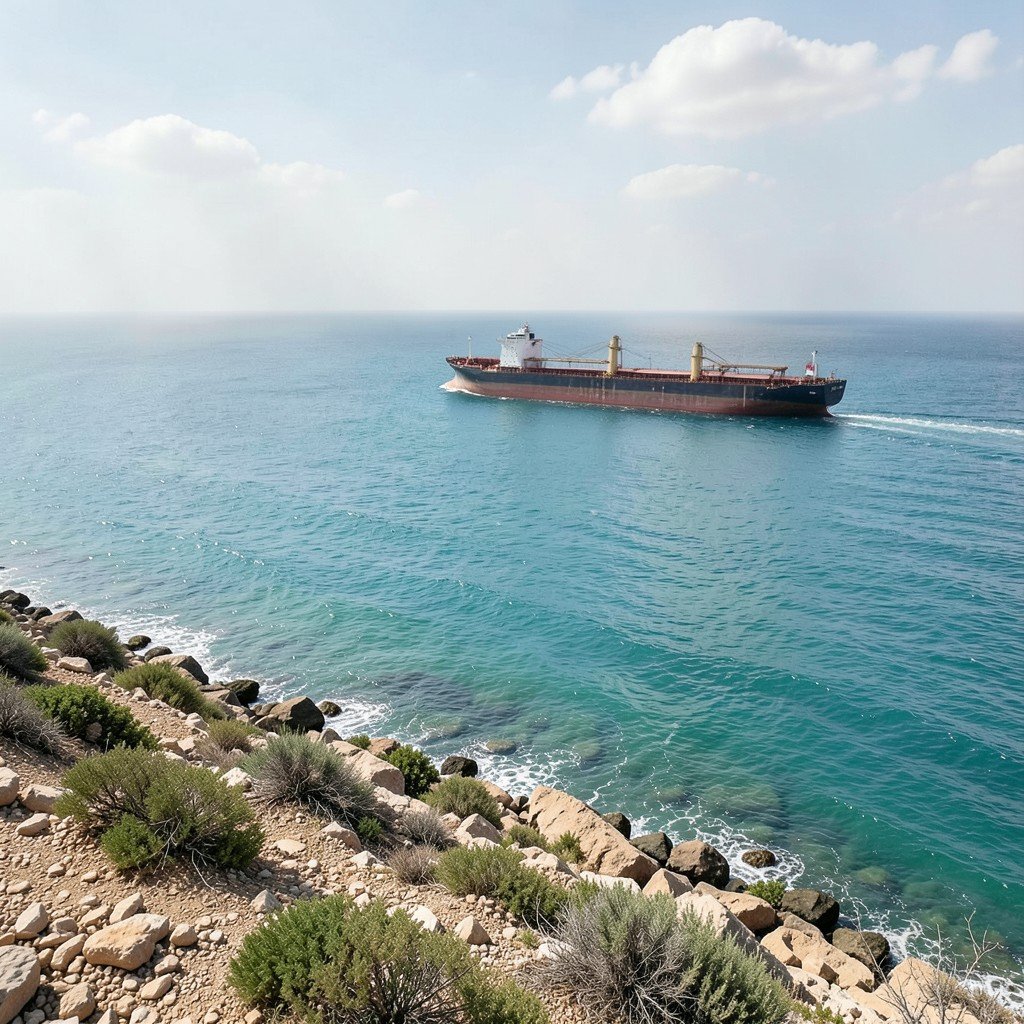
AI-generated representative image: An oil tanker diverts its course in the Red Sea near the Bab el-Mandeb Strait, a critical maritime chokepoint between Yemen a
Editorial Team
Editorial Team
Sanaa's naval forces enforce siege-for-siege campaign as vessels are rerouted around Cape of Good Hope

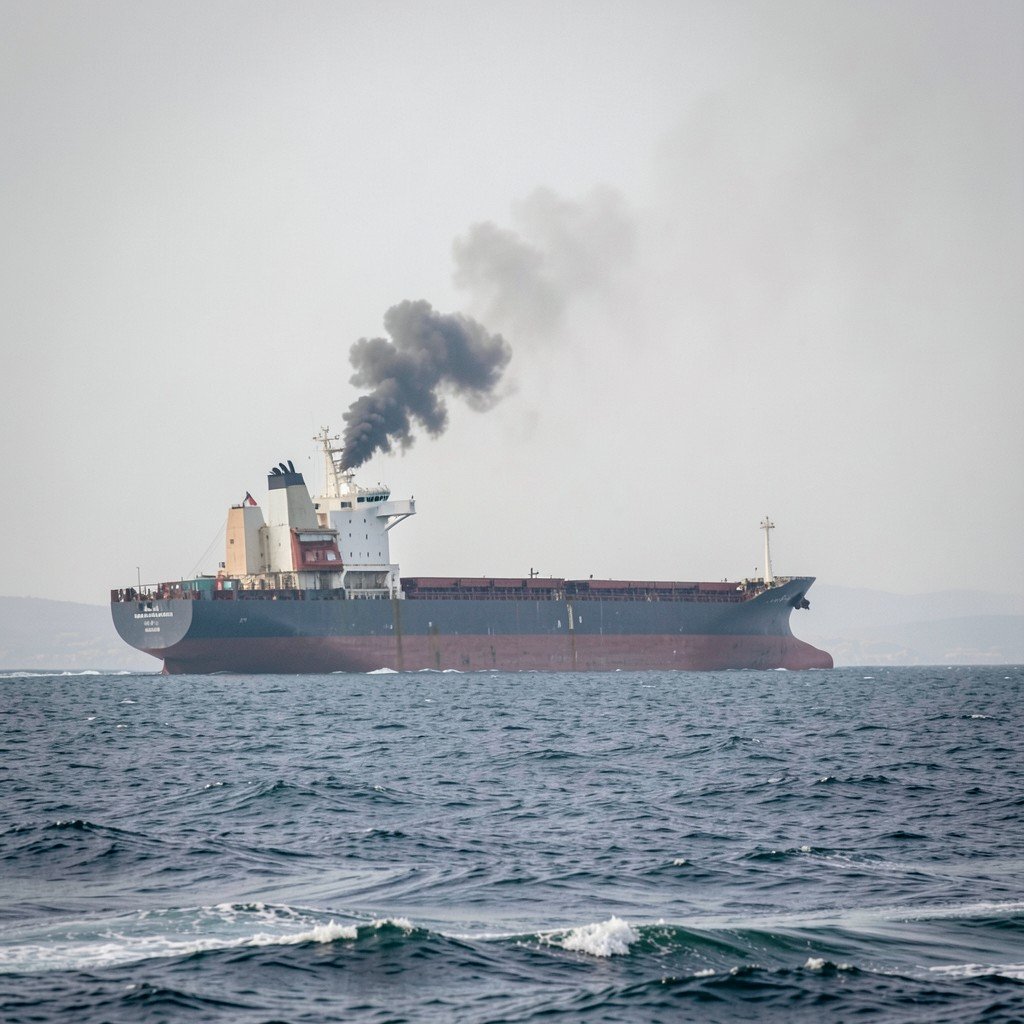
Yemen's armed forces intercepted eight Saudi oil tankers attempting to transit the Bab el-Mandeb Strait, forcing the vessels to reroute around the Cape of Good Hope, military spokesman Brigadier Yahya Saree announced on Friday. The interception forms part of Sanaa's "siege for siege" campaign, which seeks to retaliate against the Saudi-led blockade imposed on Yemen since 2015.

The latest naval action underscores an intensifying maritime standoff at one of the world's most critical energy transit chokepoints. By disrupting Saudi oil shipments, Yemen's armed forces aim to exert economic pressure on Riyadh to lift a blockade that has contributed to what international organizations describe as one of the world's worst humanitarian crises.

Naval Interception Details

According to Brigadier Saree, the eight Saudi oil tankers were compelled to divert toward the Cape of Good Hope, a significantly longer route around the African continent, after encountering Yemeni naval forces at the Bab el-Mandeb Strait. The spokesman framed the operation as a direct consequence of the armed forces tightening their naval blockade on Saudi oil tankers.

The interception follows Yemen's July 20 declaration of a naval siege against Saudi Arabia, which took effect immediately. That announcement explicitly tied the maritime campaign to the broader objective of compelling the kingdom to end its blockade on Yemen.
Origins of the Conflict and Blockade

Saudi Arabia, supported by Arab allies and backed militarily, politically, and logistically by the United States and other Western nations, launched a full-scale military campaign against Yemen on March 26, 2015. The coalition imposed a comprehensive blockade on the country as part of that operation.

The stated objective of the intervention was to restore Yemen's former Riyadh-backed government, which had fled the country amid political instability. In the power vacuum that followed, Ansarullah, Yemen's popular resistance movement, assumed responsibility for administering state affairs. The war has since claimed tens of thousands of Yemeni lives without achieving its original goal of returning the former government to power.

Escalation Dynamics

The naval standoff has escalated further following recent Saudi airstrikes on al-Hudaydah, Yemen's vital Red Sea port city. In response, the armed forces declared "escalation for escalation" as the title for the next phase of their confrontation with the kingdom, signaling a willingness to match any intensification of military action with reciprocal measures.

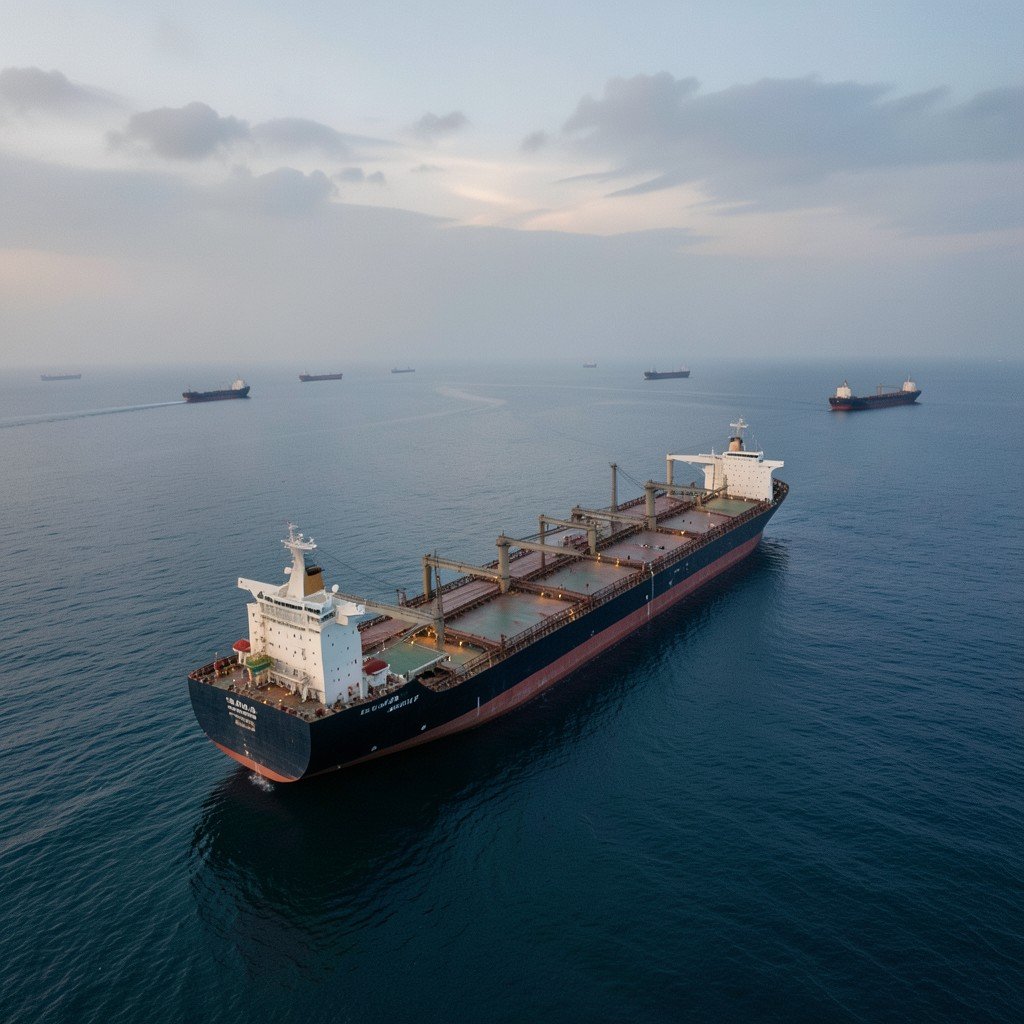
The Bab el-Mandeb Strait, situated between Yemen and Djibouti, serves as a critical maritime corridor through which millions of barrels of oil pass daily. Any sustained disruption to shipping through this chokepoint carries significant implications for global energy markets and international trade routes.

What Comes Next

Yemen's armed forces have indicated they will maintain the naval blockade until Saudi Arabia lifts its own siege on Yemen. The "siege for siege" and "escalation for escalation" doctrines suggest further maritime interceptions are likely if the Saudi-led coalition continues both the blockade and airstrikes. No diplomatic breakthrough has been reported, and the situation at the Bab el-Mandeb Strait remains tense.

MORE LIKE THIS

Comments (0)

Leave a comment

A verified Gmail account is required to post comments.

No comments yet. Be the first to share your thoughts!