

Trump Torn Between Saudi De-escalation Push and Israel's Iran War Demands
opinion

Trump Torn Between Saudi De-escalation Push and Israel's Iran War Demands

By Editorial TeamAug 1, 2026 · 5:27 AM4 min read
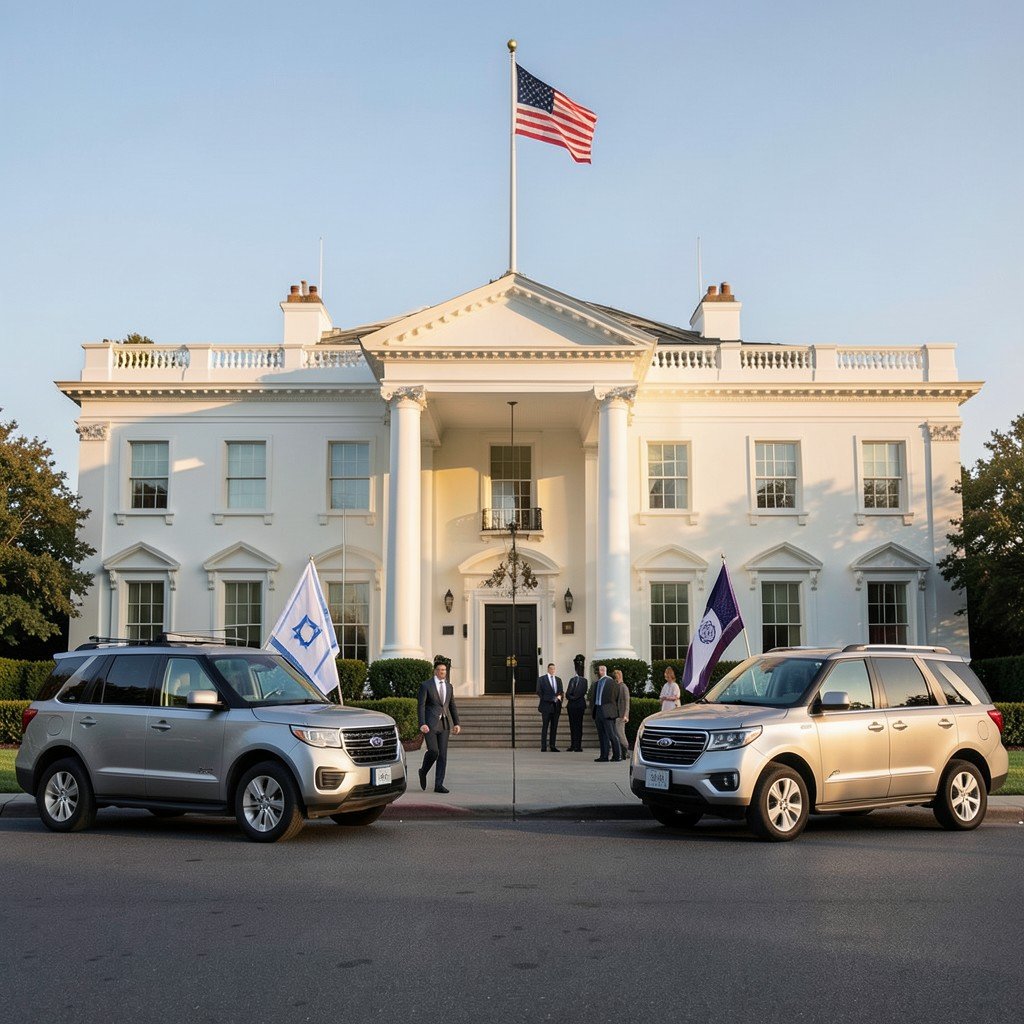
AI-generated representative image. The White House, where President Trump received conflicting messages from Israeli and Saudi leaders over Iran conflict strate
Editorial Team
Editorial Team
Saudi defense minister urges diplomacy while Netanyahu presses for military escalation as White House seeks Iran conflict exit strategy

President Donald Trump is navigating sharply conflicting advice from two key Middle East allies as he searches for a way out of the widening Iran conflict. Saudi Defense Minister Khalid bin Salman delivered a message of de-escalation during an unannounced White House visit on Wednesday, while Israeli Prime Minister Benjamin Netanyahu voiced skepticism about diplomacy and discussed options for ramping up military pressure during an Oval Office meeting just one day earlier.

The back-to-back meetings highlight the mounting challenges facing Trump as the war extends well past his initial deadline. With only 28% of Americans approving of his handling of the conflict, according to a recent CNN survey, Republican allies increasingly fear the prolonged engagement could damage the party's prospects in upcoming midterm elections. Diplomatic efforts remain stalled, and a senior US official confirmed that resuming direct talks with Iran does not appear imminent.

Diplomatic Crosscurrents at the White House

During Tuesday's meeting, Netanyahu and Trump discussed options for intensifying military strikes and economic measures against Iran. Israeli officials said the prime minister assured Trump he remains the final decision maker, pushing back against suggestions Israel is attempting to sway the president toward renewed full-scale war.

The following day, Prince Khalid, a close confidant of Crown Prince Mohammed bin Salman, conveyed the kingdom's assessment that prolonging the conflict carries major risks. According to sources familiar with the conversation, the Saudi message to Vice President JD Vance was that Iran will seek leverage through escalation, using pro-Iranian militias in Iraq and Yemen. Despite new joint US-Saudi operations against Iran-backed militias in Iraq, Riyadh wants de-escalation.
How the Conflict Reached This Point

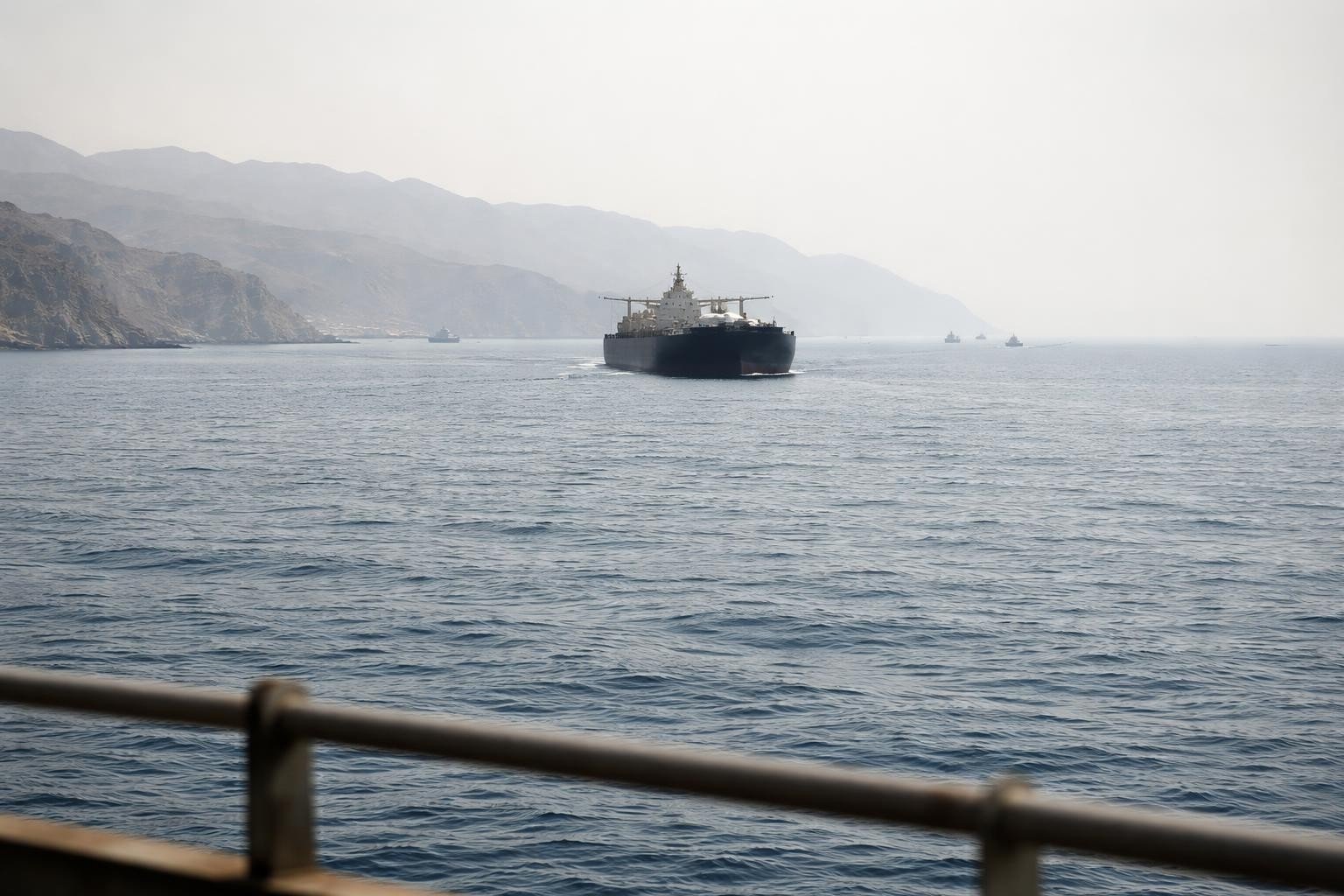
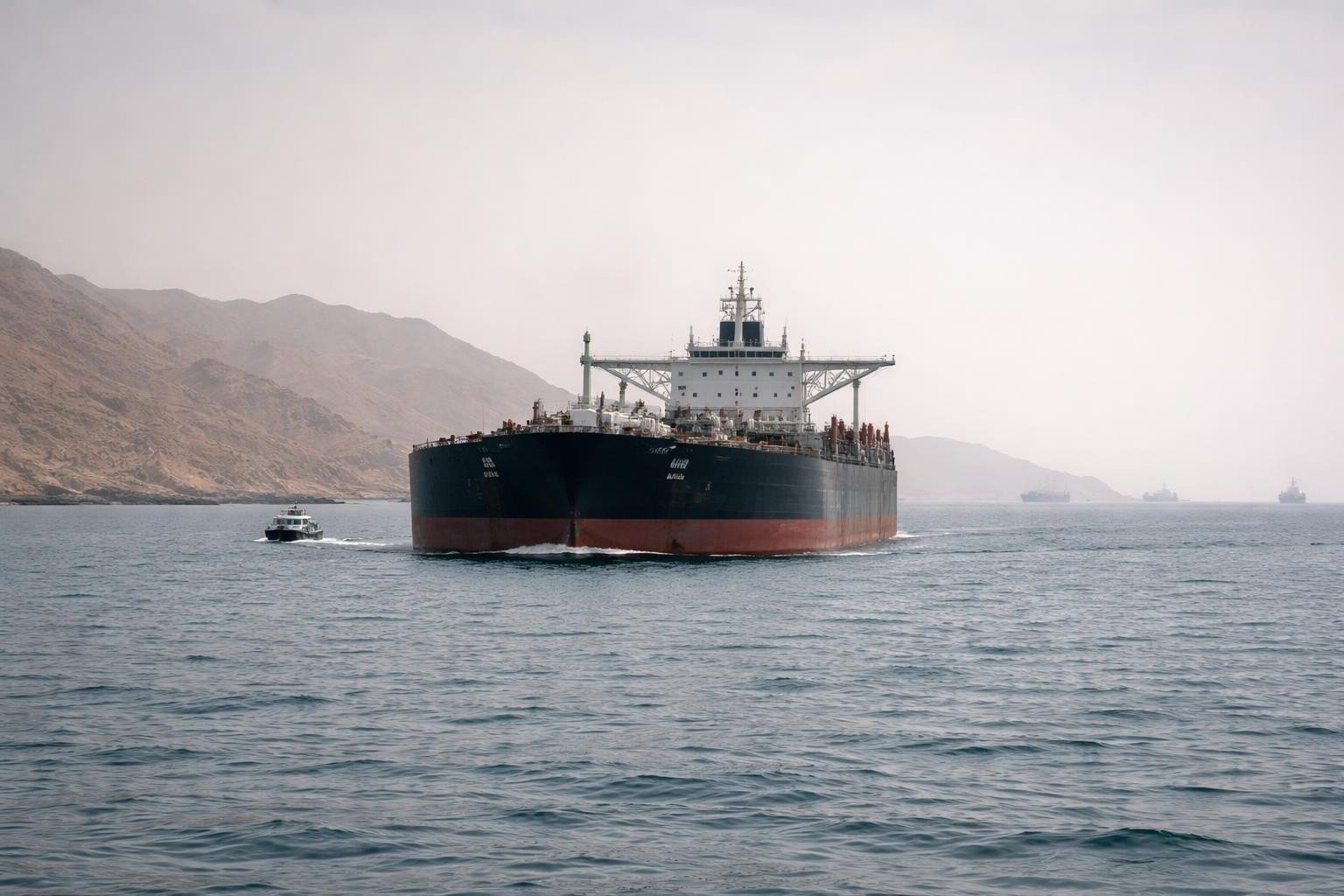
The Strait of Hormuz has become the central flashpoint after the US and Iran emerged from last month's memorandum of understanding with conflicting interpretations of how the waterway was addressed. Iran has since fired missiles toward American troops and targeted commercial shipping, prompting the White House to declare that Tehran broke the agreement.

Trump has grown increasingly frustrated behind the scenes, with US officials describing angry meetings and expletive-laced phone calls to allies. He convened his Cabinet at Camp David on Friday, a location historically associated with successful Middle East diplomacy. Options presented to the president include a Central Command plan for heavy bombardment over one to two weeks to eliminate Iran's missile capabilities, though Trump has so far held off amid warnings from Chairman of the Joint Chiefs of Staff Gen. Dan Caine about dwindling air defense interceptor supplies and risks of high civilian casualties.

Official Statements and Internal Assessments

White House Press Secretary Karoline Leavitt stated that Iran "will continue to pay until they come to the table in, what President Trump deems, a meaningful way," citing the broken memorandum of understanding, attacks on commercial ships, and the killing of American soldiers. Senate Majority Leader John Thune acknowledged the administration's military successes while expressing hope for a negotiated solution on the Strait of Hormuz.

Gen. Caine told lawmakers last week that "air power has its limits" and that Trump is unlikely to achieve all his stated objectives through bombing alone. Trump appeared to acknowledge this during a Fox News interview, saying he was not looking to strike infrastructure like bridges and water desalination plants because "I'm hurting the people."

What Lies Ahead

Regional diplomatic discussions are currently focused on a short-term agreement to reopen the Strait of Hormuz, which would allow Trump to claim a political victory. Mediators including Qatar and Pakistan are working to revive talks, but US officials fear Iran's Islamic Revolutionary Guard Corps now firmly controls decision-making, with senior commanders jockeying for internal control. Trump himself has expressed doubt about reaching any agreement, saying at Camp David: "People want to talk, but they break their words so often." Despite this, his envoy Steve Witkoff and son-in-law Jared Kushner maintain confidence a deal remains possible.

MORE LIKE THIS

Comments (0)

Leave a comment

A verified Gmail account is required to post comments.

No comments yet. Be the first to share your thoughts!