

Key developments
Cohen described the current peace plan as “a capitulation masquerading as an agreement,” arguing the MOU would provide Iran with “hundreds of billions of dollars,” betray U.S. allies and potentially enable Iran to retain influence over the Strait of Hormuz.
He said that despite severe damage to Iran’s military, the conflict showed the Iranian regime “viscerally” the power of its hold on the Strait of Hormuz and demonstrated its regional reach and enduring strength relative to the United States.
Cohen argued the war exposed limits in Israeli Prime Minister Benjamin Netanyahu’s confrontational approach, saying Netanyahu has overseen a deterioration in Israel’s international position, a collapse of support among Democrats and many Republicans in the United States, and a renewed war with Hezbollah in Lebanon after Israel believed it had already won. Read more in Israel-Hezbollah Ceasefire Agreement Takes Effect in Lebanon.
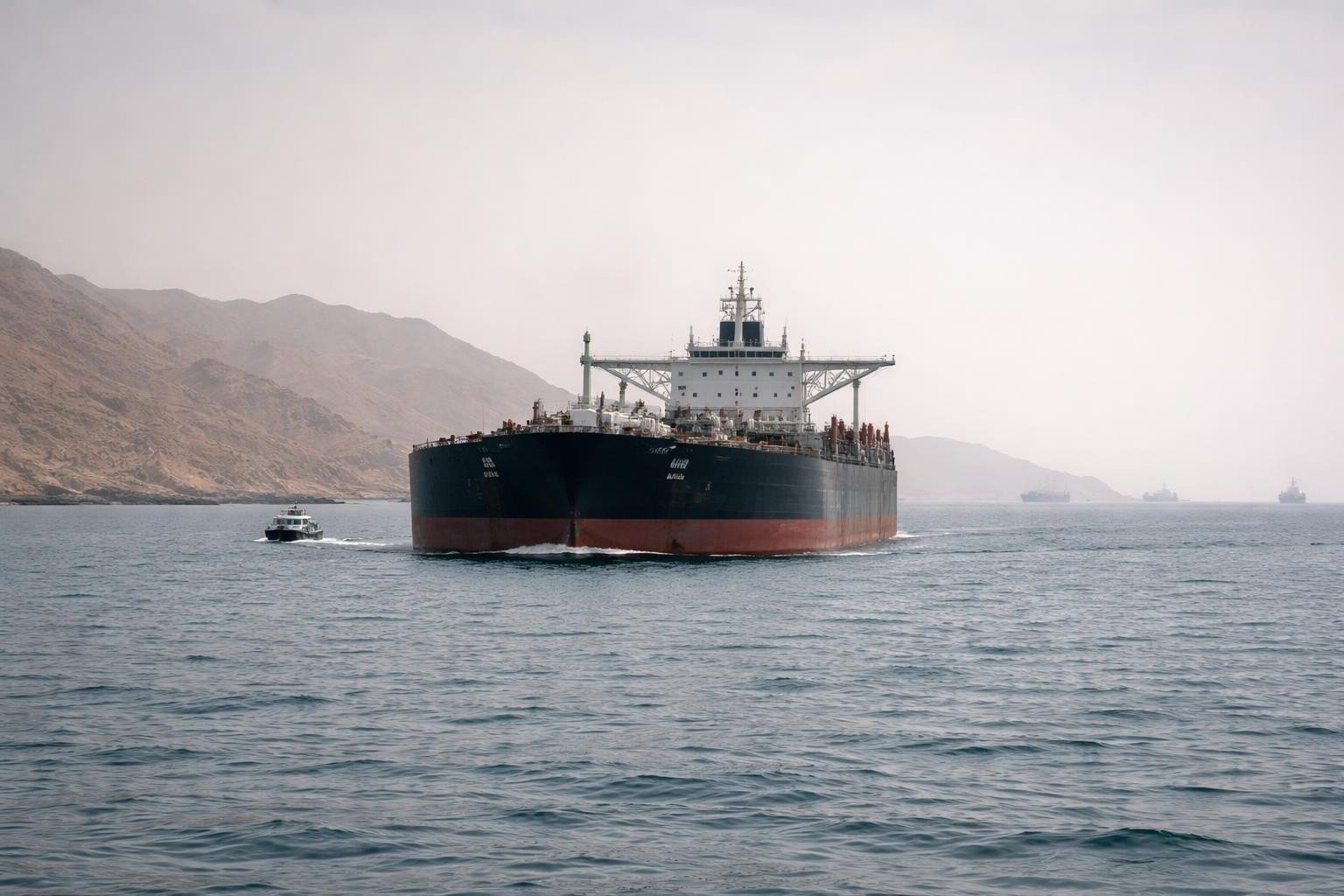
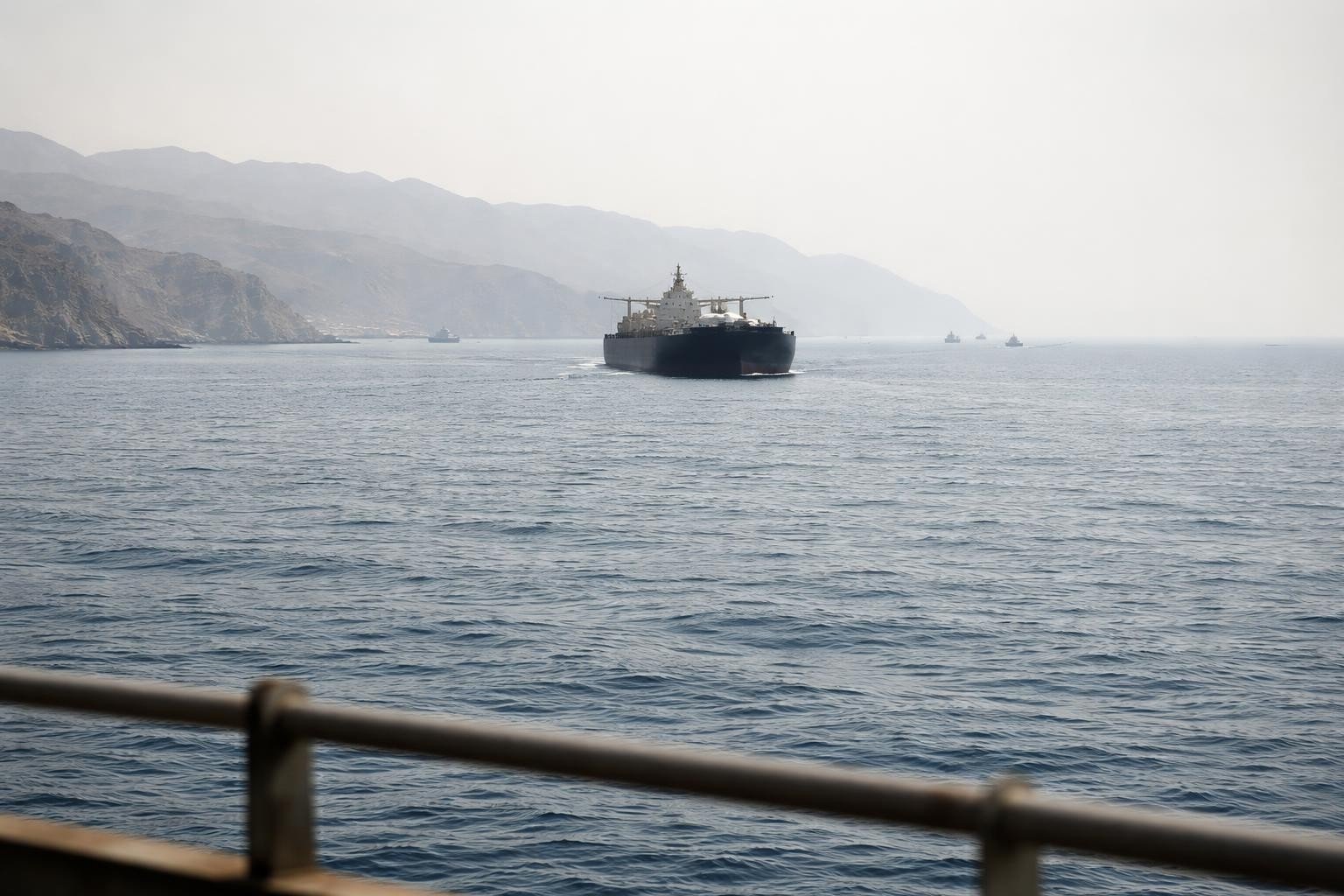
On energy security, Cohen wrote that “no one can go back to believing” oil shipments transiting the Strait of Hormuz are reliably secure, and said Arab Gulf states may face a choice between appeasement of Iran and a more mixed strategy combining inducements and armament.
He said the war reinforced lessons seen in the Russia-Ukraine conflict, including the growing difficulty of achieving air supremacy and the increased importance of cheaper, mass-produced precision weapons, along with the strategic impact of missiles and drones.
Most significantly, Cohen said the conflict called into question “the American way of war,” warning “the damage will not be undone” even after the Trump administration ends.