

World Cup political scrutiny debate targets uneven standards
opinion

World Cup political scrutiny debate targets uneven standards

By Editorial TeamJul 3, 2026 · 12:25 PM4 min read
Editorial Team
Editorial Team

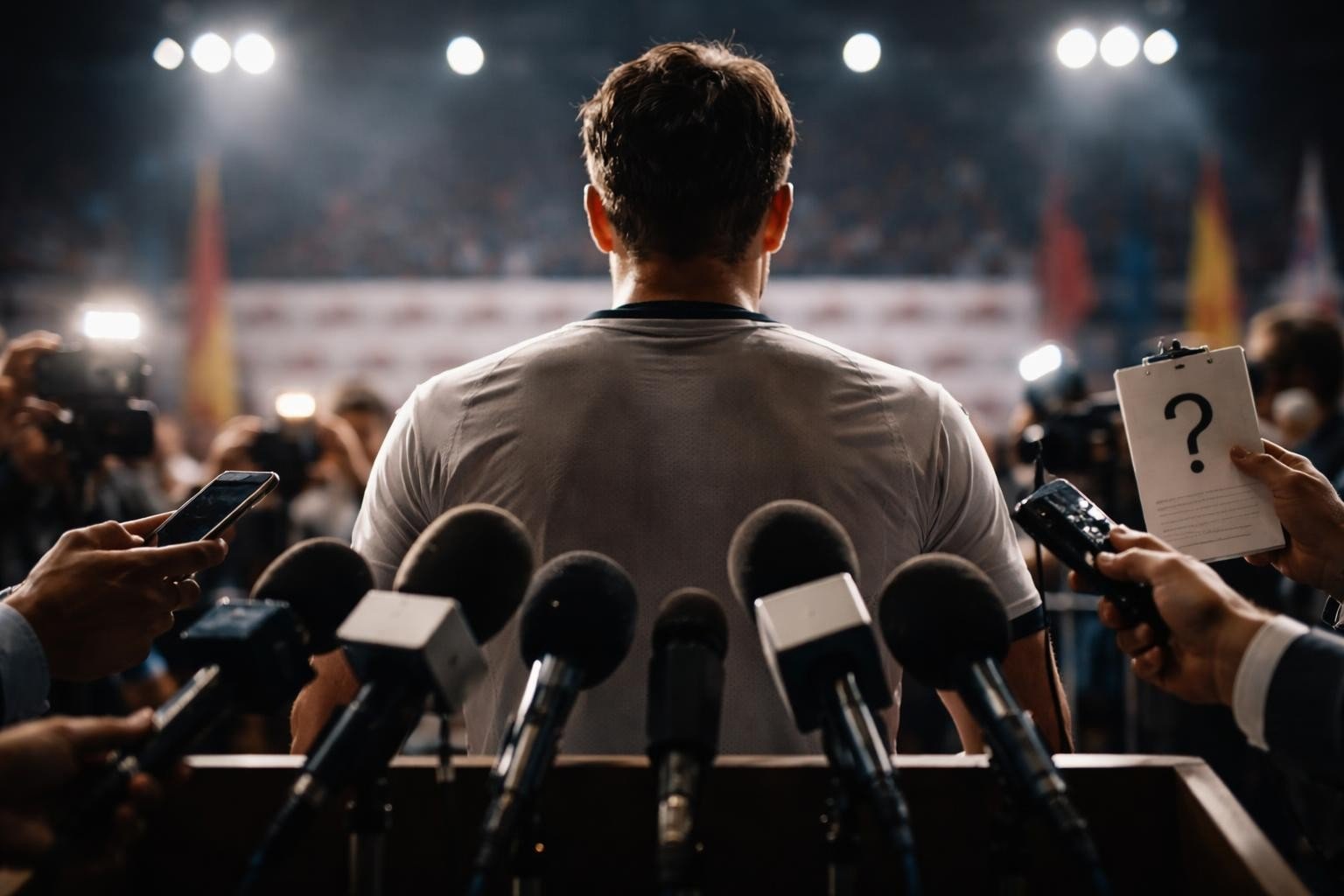
A commentary published on June 30 by Patrick Gathara argues that World Cup political scrutiny is applied unevenly, with some teams—particularly from Africa and the Middle East—facing more political and human-rights questioning from Western journalists than European and U.S. sides. The piece cites remarks by South African comedian Trevor Noah and recent press conference exchanges involving Iran and Egypt.

The author says the pattern matters because press conferences help set public perceptions of players and countries during major tournaments. The commentary also challenges the idea that the World Cup is “above politics,” arguing that international football has long been intertwined with geopolitical disputes and human-rights debates.

Key developments

  • Trevor Noah is quoted questioning why African and Middle Eastern teams are expected to answer for their governments’ actions while European teams are not, after Iranian players faced political questions from Western journalists.

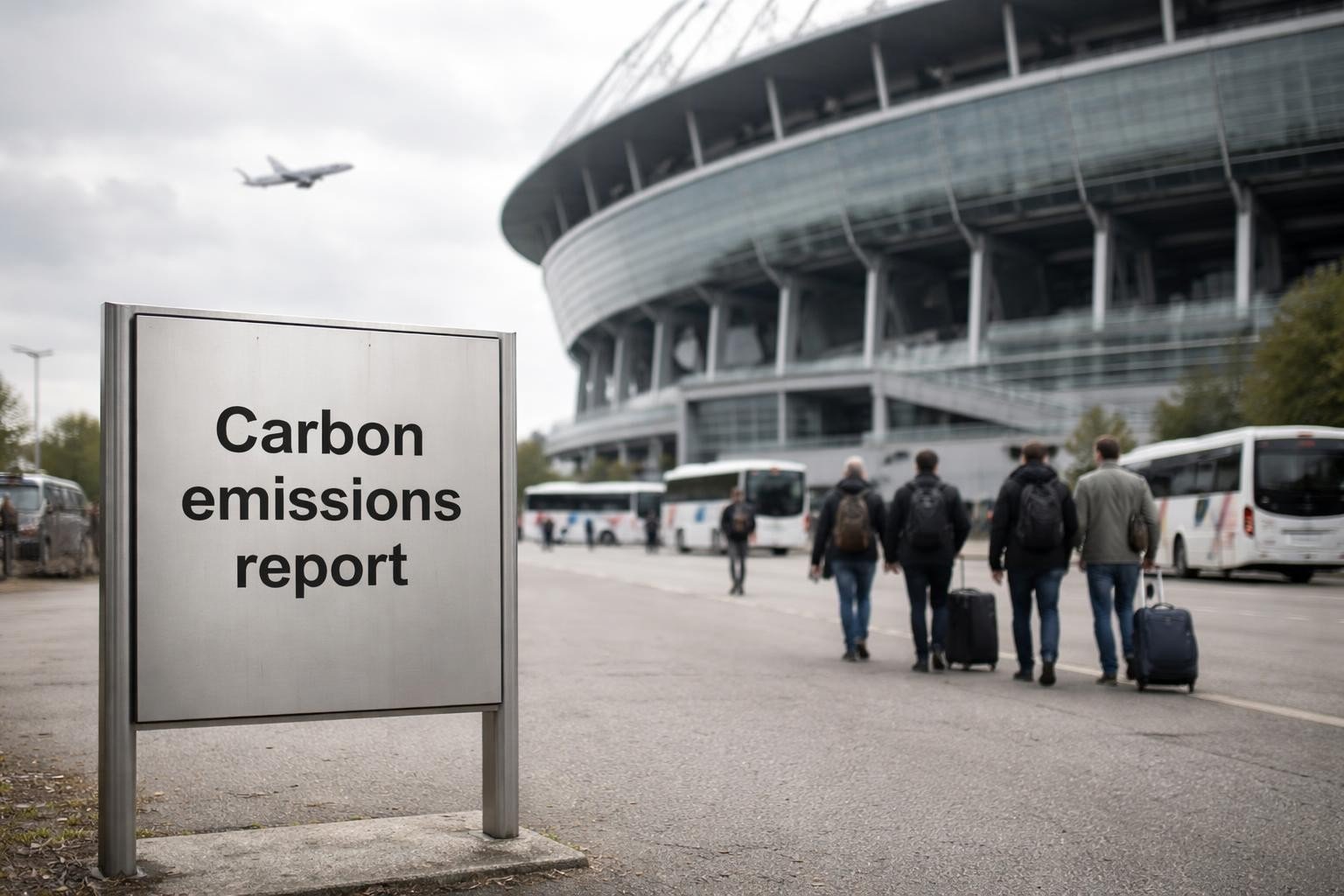
  • The author points to a match build-up in Seattle described locally as a “Pride Match,” saying Iran and Egypt were asked about LGBTQ rights. The article says a FIFA official read a statement indicating Iran wanted to take only football-related questions, but questioning continued, and Egyptian officials also sought to shield players.

  • The commentary argues that difficult questions about war, repression, discrimination, apartheid and genocide are important, but says such questioning is applied inconsistently depending on a team’s nationality.

  • As examples of alleged inconsistency, the article says American, English, French and German players are not routinely pressed in the same way on their governments’ military actions, domestic policies, or other political issues.
Context and background

The commentary disputes the idea that the World Cup exists outside politics, noting that teams have previously been banned or boycotted because of government policies. It cites Russia being banned for the invasion of Ukraine and South Africa being banned during apartheid.

It also argues that global cultural and sporting events frequently become arenas for political debate, pointing to controversies around Israel’s participation in Eurovision.

The piece says media scrutiny has been intense in past debates about hosting rights—referencing criticism surrounding Russia hosting the 2018 World Cup and Qatar hosting the 2022 tournament—while arguing there has been less interrogation of the United States as a host, including issues such as foreign policy, deportations, and travel restrictions affecting tournament participants.

For related regional context referenced in the broader discussion of Iran, see Iran’s Plan to Strike Back Against the U.S..

Details and evidence

The author frames the issue as a “hierarchy” in global journalism in which some players are treated primarily as athletes, while others are treated as representatives of their governments and expected to comment on politics before discussing football.

To distinguish player activism from reporter-driven questioning, the article references European teams’ actions at recent tournaments, including OneLove armbands, Germany’s team photo protest at Qatar 2022, and England taking a knee at Euro 2020—describing these as choices initiated by players rather than responses demanded in press settings.

The commentary also draws a comparison to media interviews with Palestinians, arguing that some interview formats have required condemnations of Hamas before discussion of Gaza, describing this as a form of “classification” rather than clarification.

The article includes contested claims about Israel’s actions and references Amnesty International, Human Rights Watch and UN experts in support of its characterization. These allegations and legal determinations are not adjudicated in the commentary. Related coverage referenced in that wider debate includes Iran Condemns Israel’s Use of White Phosphorus in Conflicts.

Current status and next steps

The piece concludes by arguing the central question is not whether politics belongs in sport, but who is expected to carry political accountability in media settings—and who is allowed to focus on the match. No response from FIFA, national federations, or media organizations is cited in the article.

MORE LIKE THIS

Comments (0)

Leave a comment

A verified Gmail account is required to post comments.

No comments yet. Be the first to share your thoughts!