
Vehicle Imports in Pakistan Spark Economy and Emissions
opinion

Vehicle Imports in Pakistan Spark Economy and Emissions

By Freelance WriterApr 20, 2026 · 10:15 AM2 min read
F
Freelance WriterView Profile →

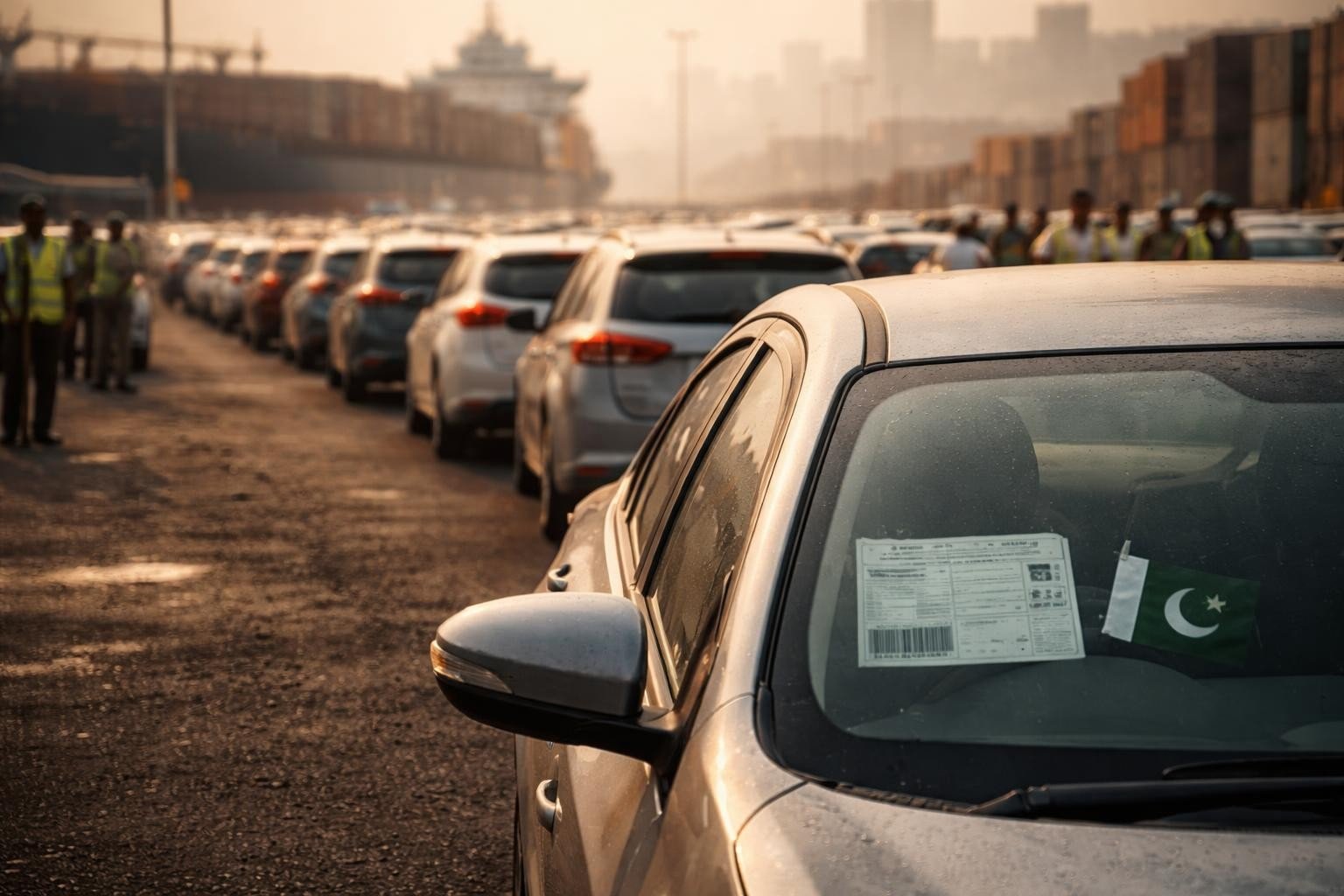
Vehicle imports in Pakistan are drawing scrutiny over potential knock-on effects for the economy, the environment and traffic management. The inflow of foreign-made cars and parts is widely associated with added pressure on foreign exchange spending, higher emissions and increased strain on road safety enforcement.

The issue matters because transport intersects multiple policy areas at once: how Pakistan allocates scarce foreign currency, how quickly urban air quality deteriorates, and how effectively regulators can enforce vehicle standards and road safety. A rise in imports can therefore create spillover effects well beyond the auto market.

Key Developments

  • Vehicle imports can increase demand for foreign exchange, potentially adding pressure to Pakistan’s import bill and external financing needs.

  • More vehicles on roads can worsen congestion and may raise fuel consumption and tailpipe emissions, particularly in major cities.

  • A larger and more diverse vehicle fleet can complicate enforcement of safety and emissions standards, including inspections, maintenance compliance and parts quality.

  • Imported vehicles can intensify competition in the domestic market, raising concerns about the impact on local assembly, manufacturing and related jobs.

  • After-sales servicing and spare-parts availability can be uneven for certain imported models, affecting maintenance and potentially safety over time.

Context and Background

Pakistan’s auto sector combines domestic assembly with ongoing demand for imported vehicles. Imports can broaden consumer choice and provide access to newer models, but they also tie the transport sector more directly to global prices, exchange-rate swings, and the cost of shipping and logistics.

At the same time, Pakistan’s cities face persistent air-quality and traffic-congestion challenges—pressures closely linked to vehicle growth and fuel use.

Details and Evidence

The source material provided does not include official statistics, government notifications, import volumes, timelines or named stakeholders. As a result, this report summarizes commonly cited concerns linked to vehicle imports in Pakistan—foreign exchange outflows, environmental pressures, regulatory challenges and potential impacts on local industry—without attributing figures or specific policy actions.

Current Status / What Happens Next

No specific policy change, announcement or date was included in the source material. Further reporting would require confirming current import rules, recent import volumes and any measures under consideration by relevant authorities, including potential adjustments to tariffs, emissions checks, safety inspections or incentives affecting local manufacturing.

MORE LIKE THIS

Comments (0)

Leave a comment

A verified Gmail account is required to post comments.

No comments yet. Be the first to share your thoughts!