

Key developments The commentary argues the World Cup’s climate impact should be treated as a concrete financial and policy liability, urging FIFA and hosts to “pay the carbon bill” through credible emissions cuts and accountable compensation measures. It raises concerns about heavy reliance on carbon offsets and “net-zero” style branding, calling for emissions reporting that is independently verifiable and based on consistent methodologies across tournaments. The article links the issue to broader debates over greenwashing in major events, arguing that climate claims made in tournament bids and marketing should face stronger oversight and enforcement. It calls for clearer responsibility-sharing between FIFA and host governments for emissions tied to infrastructure, aviation and hospitality, with climate commitments built into hosting requirements.
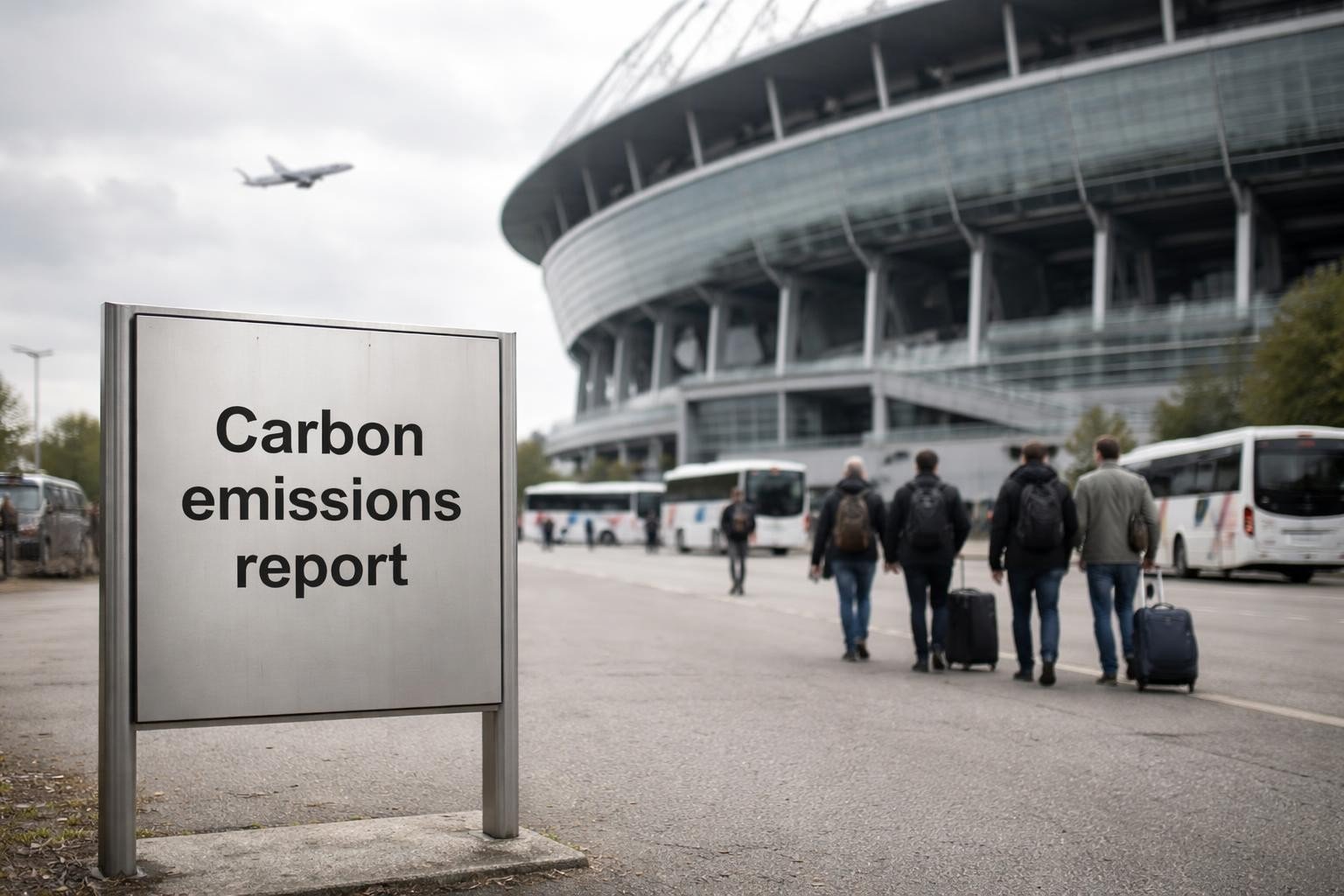
FIFA World Cup carbon emissions face growing scrutiny

Calls are growing for FIFA and World Cup host countries to more transparently measure, independently verify and ultimately pay for the climate costs of the men’s football World Cup, as scrutiny intensifies over tournament carbon emissions and the credibility of “carbon-neutral” claims.
The debate matters because the World Cup is one of the world’s largest sporting events, generating emissions from long-haul travel, construction and energy use on a scale that can strain host-country climate plans. Critics argue that without independently verified carbon accounting and tighter rules around offsets, environmental pledges risk becoming branding exercises rather than measurable climate action—echoing wider disputes over net-zero claims such as Google attributes its emissions increase to AI rather than achieving net zero.
Context and background The World Cup’s footprint is typically driven by several predictable sources: international travel by fans and teams, large-scale construction and refurbishment of stadiums and transport networks, and the energy required to run matches and related events. Organisers have increasingly framed climate pledges as part of tournament legacy plans, but these pledges have drawn criticism when they rely heavily on offsets or when underlying emissions estimates are disputed. Climate scrutiny of major sporting events has intensified as governments and companies face higher expectations to disclose emissions and demonstrate real-world reductions in line with global climate goals. In this environment, campaigners and researchers have questioned whether voluntary “carbon neutrality” claims are robust without independent audits, common standards and stronger enforcement—especially where aviation-related emissions are central to the event’s footprint, a wider concern also reflected in Singapore Airlines tragedy: Is climate change worsening air turbulence?
Details and evidence In the piece, the author argues that credible climate responsibility requires more than aspirational targets. The commentary advocates for: clear, standardised carbon accounting for each tournament cycle; independent verification of emissions inventories and any mitigation claims; prioritising emissions reductions over offsets, particularly for high-impact sources such as aviation and construction; greater transparency over the quality, permanence and additionality of any offsets used; enforceable hosting rules that define responsibilities for FIFA and hosts and establish consequences when claims cannot be substantiated. The commentary frames these steps as necessary to protect public trust and align the World Cup’s climate messaging with measurable outcomes.
Current status and next steps The issues raised remain part of an ongoing global debate about how major sports events should report and reduce emissions, and who should bear responsibility for the associated climate costs. The commentary’s central recommendation is that FIFA and host governments adopt stricter, independently verifiable standards and reduce reliance on offsets to make climate commitments credible. No new official FIFA response or policy change is cited in the source material. Further developments are expected to depend on whether governing bodies, hosts and regulators strengthen disclosure rules and enforcement for climate claims tied to major events.

World Cup political scrutiny debate targets uneven standards
Commentary cites Trevor Noah and press conferences to question whether Western journalists apply consistent human-rights questioning across teams

Trump Torn Between Saudi De-escalation Push and Israel's Iran War Demands
Saudi defense minister urges diplomacy while Netanyahu presses for military escalation as White House seeks Iran conflict exit strategy

Iraq as US Pressure Platform on Iran: Baghdad Raids
Green Zone operations and Piranshahr border incident fuel Iraq-Iran tensions as Washington weighs political and logistical leverage.
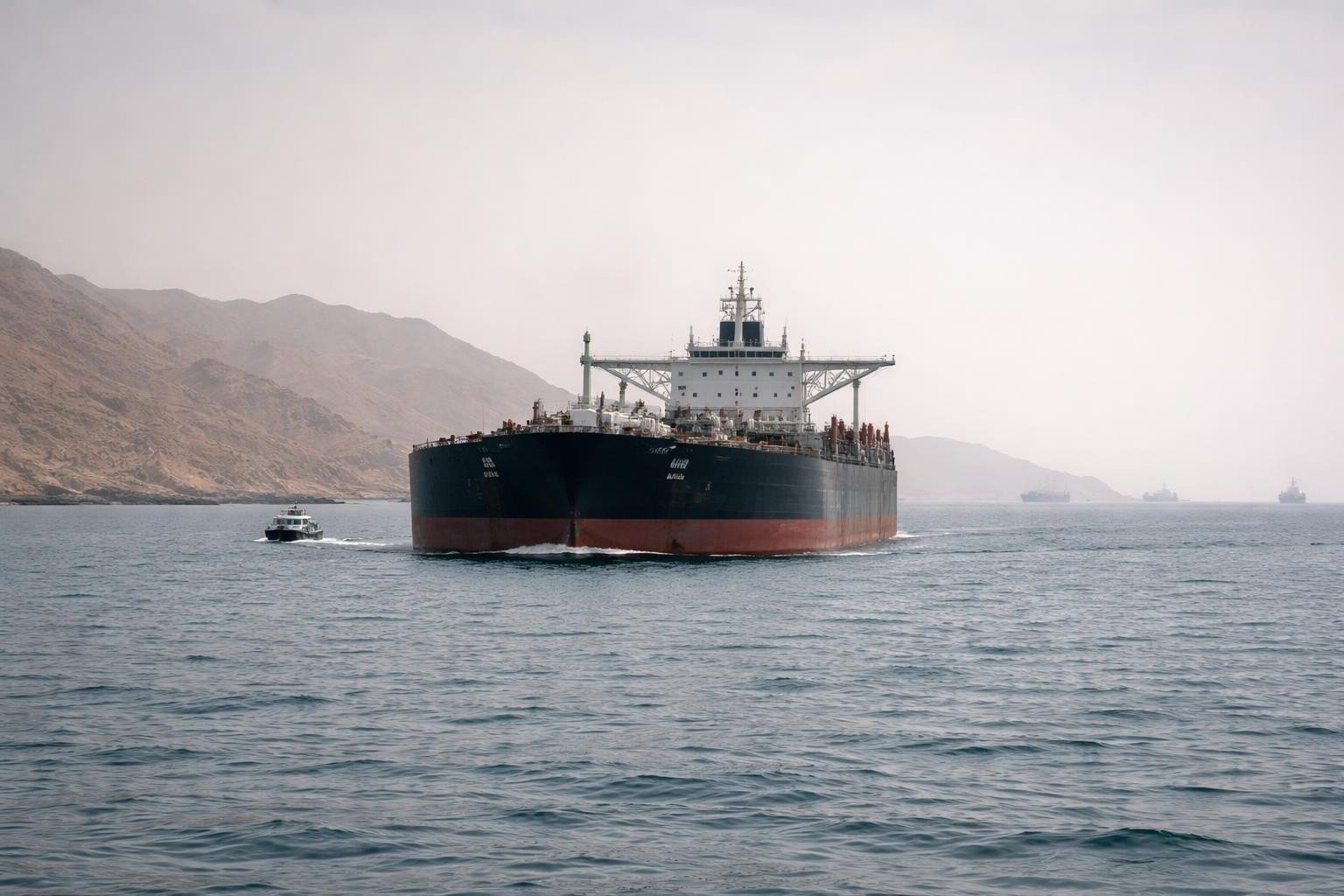
Strait of Hormuz oil-market crisis risk, expert warns
Nicholas Grossman cites shipping disruptions and tightening supply as Trump says the critical energy chokepoint remains open.
Comments (0)
Leave a comment
No comments yet. Be the first to share your thoughts!