

Iranian Oil Reaches China Through Malaysian Waters Despite US Blockade
news

Iranian Oil Reaches China Through Malaysian Waters Despite US Blockade

By Editorial TeamJul 30, 2026 · 12:39 PM4 min read
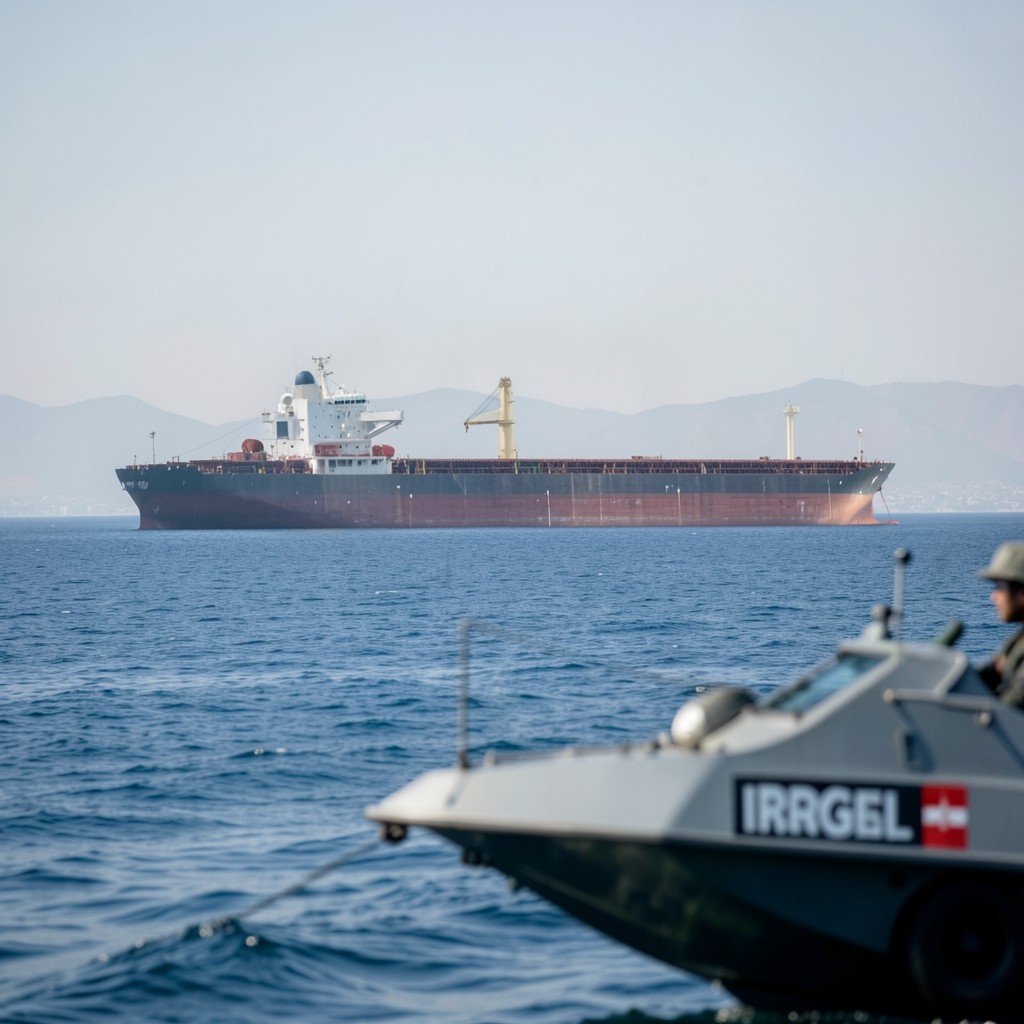
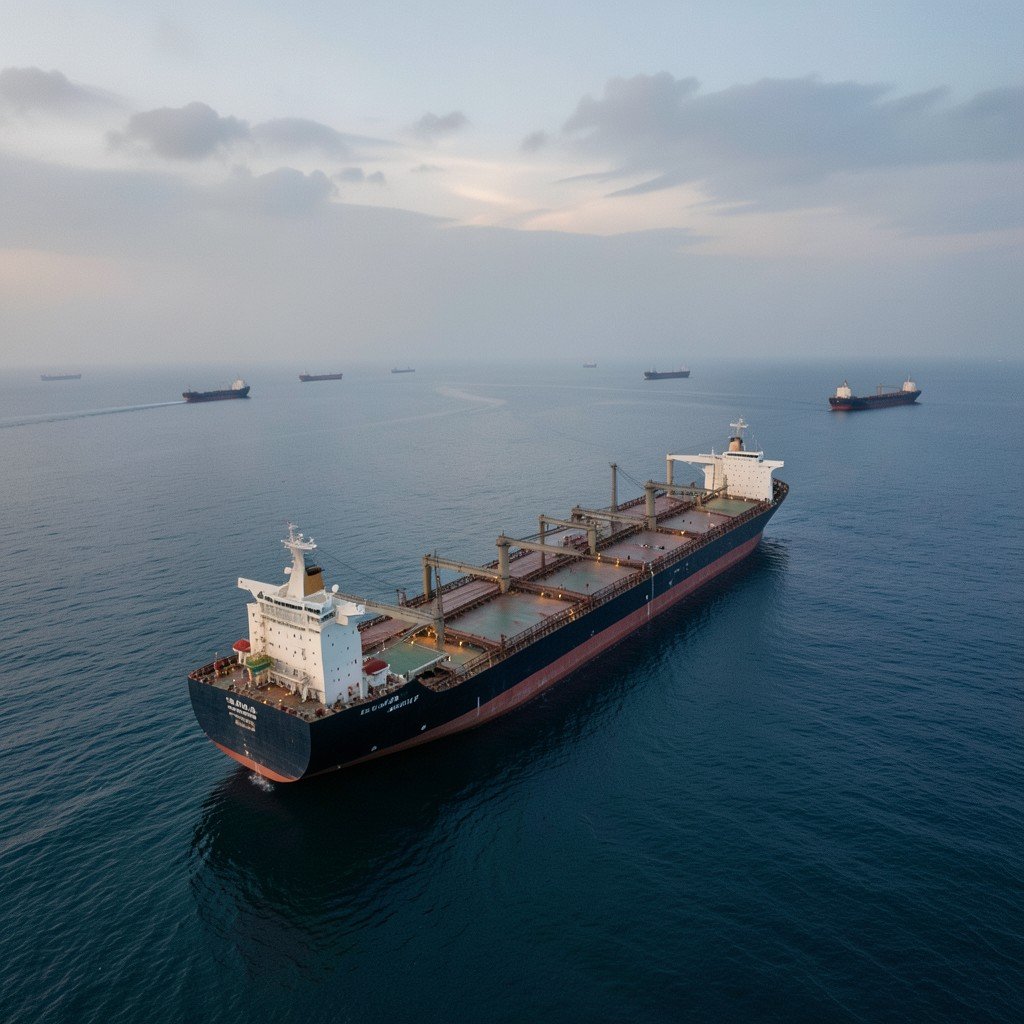
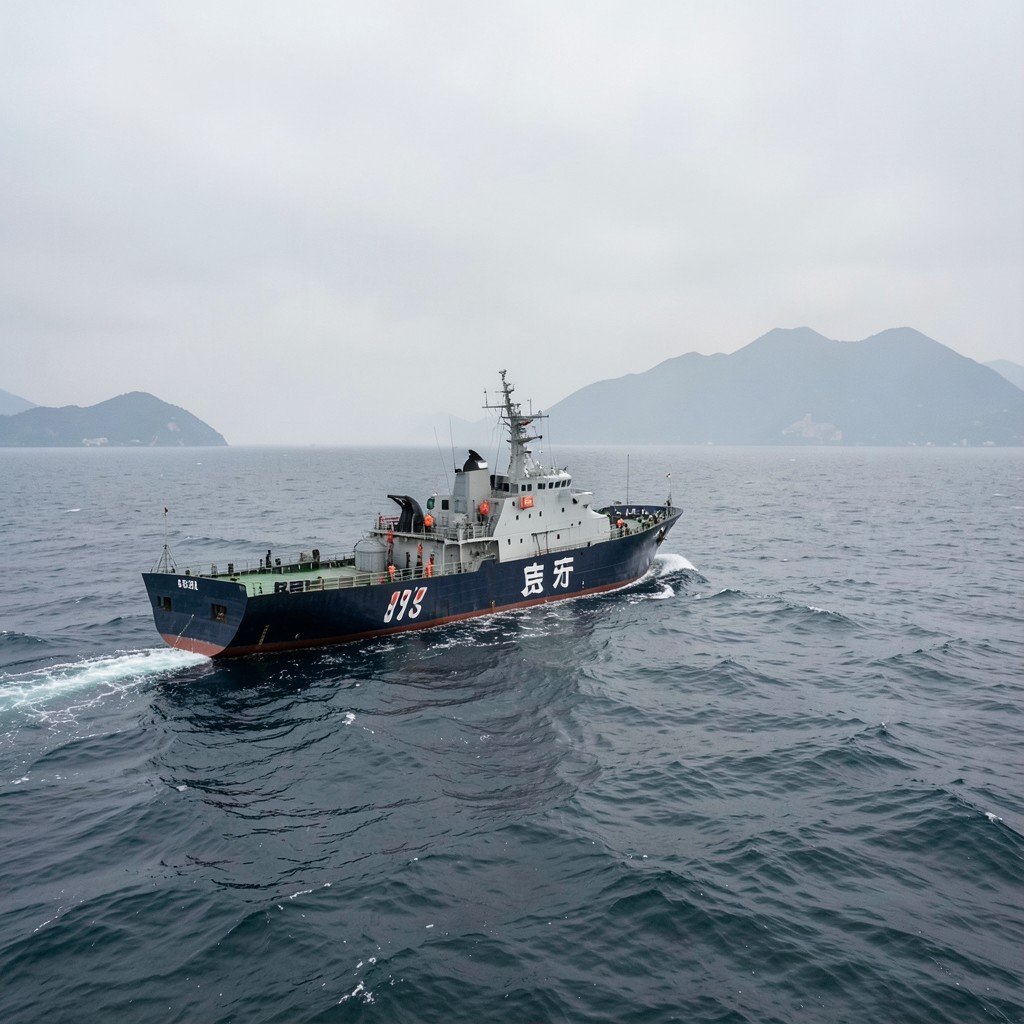
AI-generated representative image: An oil tanker at anchorage in open waters, illustrating the offshore ship-to-ship transfer zones used in maritime crude oil t
Editorial Team
Editorial Team
Satellite data exposes dark ship-to-ship transfers at Malaysia's Eastern Outer Port Limits, where sanctioned Iranian crude is stealthily rerouted to Chinese refineries.

Iranian oil shipments to China are continuing through a bustling unofficial marketplace in the South China Sea, despite a five-month US-Israel military campaign against Iran and a resumed US naval blockade of Iranian ports, satellite tracking data and maritime security experts confirm.

The Eastern Outer Port Limits (EOPL) off Malaysia's coast, a 1,200-square-kilometre anchorage zone, has seen at least 18 Iranian-flagged oil tankers arrive and switch off their tracking systems over the past month alone, with the cargo ultimately destined for China's independent refineries.

The persistence of these operations underscores the limited effectiveness of sanctions and military pressure in halting Iran's oil exports. While US Treasury Secretary Scott Bessent has noted a roughly 40 percent drop in Chinese refinery purchases of Iranian crude since the war began, the EOPL network has kept the remaining trade flowing, illustrating how deeply embedded the sanctions-evasion infrastructure has become.

Key Developments at the EOPL

On Saturday last week, the Iranian oil tanker Humanity, a 330-metre crude carrier, sailed through the Straits of Malacca and Singapore before turning off its automatic identification system (AIS) near Malaysia's coast. Maritime security experts say the vessel was preparing a ship-to-ship transfer to a middleman, with China as the likely final destination.

Satellite data reviewed on Thursday showed that over the past month, 18 Iranian-flagged oil tankers arrived in the EOPL before going dark. At least 50 US or EU sanctioned ships were broadcasting AIS signals in the area on Thursday, including three Iranian-flagged cargo and container vessels. Experts believe additional dark ships are present but undetectable.

Ray Powell, director of the SeaLight maritime monitoring project at Stanford University, reported observing 62 ships broadcasting false or decommissioned identities since the start of the year while moving between the Gulf, the EOPL, Hong Kong and northern China.
The EOPL's Role in Sanctions Evasion

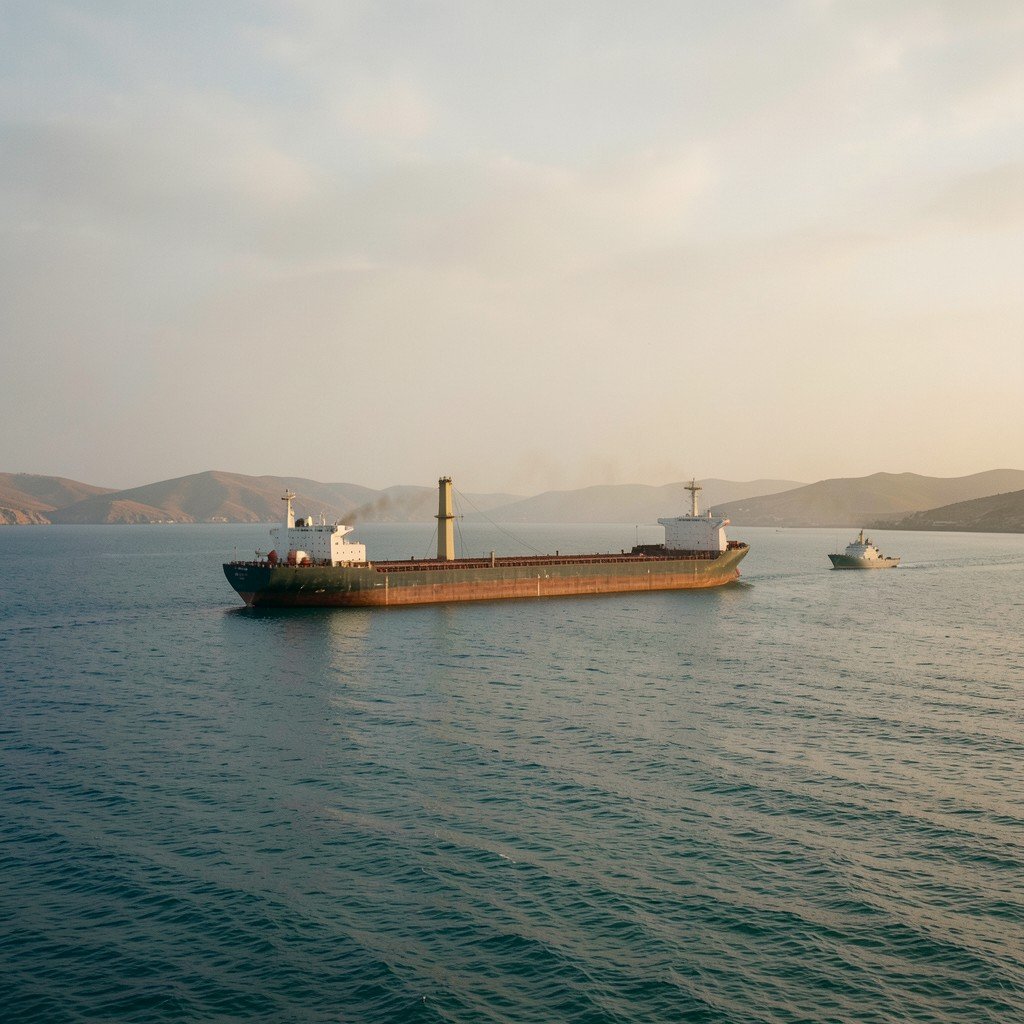
The Eastern Outer Port Limits has served for decades as an unofficial marketplace for sanctioned Iranian, Russian and Venezuelan oil. Located roughly 70km off Malaysia's shore and spanning an area comparable to Hong Kong, the anchorage sits outside Malaysia's territorial waters but within its Exclusive Economic Zone (EEZ), creating what analysts describe as a historically grey legal area.

The EEZ designation addresses fishing rights and natural resource exploitation rather than sanctions compliance at sea. Malaysia's Maritime Enforcement Agency has previously acknowledged the area is difficult to patrol due to its remoteness and jurisdictional gaps. In June, however, Kuala Lumpur amended its Exclusive Economic Zone Act to criminalize illegal anchoring, bunkering and unauthorized ship-to-ship cargo transfers within its EEZ.

The US naval blockade of Iranian ports initially ran from April 13 to June 18 and resumed on July 14 as part of the broader US-Israel military campaign against Iran. Despite these measures, Charlie Brown, director of Southeast Asia Regional Programs at the Yokosuka Council on Asia-Pacific Studies (YCAPS), said the EOPL anchorage remains just as busy as it has ever been, with up to 200 ships present on any given day and roughly half likely tied to Iran.

China's Role and Payment Mechanisms

China historically purchases about 90 percent of Iran's crude oil exports, according to the US-China Economic and Security Review Commission. The trade is facilitated by a network of middlemen serving China's independent teapot refineries, which are smaller operations less exposed to the US financial system than state-owned giants like CNPC, Sinopec and CNOOC.

Erica Downs, a senior research scholar at Columbia University's Center on Global Energy Policy, explained that crude bound for China from Iran involves multiple ship-to-ship transfers in international waters to disguise its origins. Payments are processed through China's Cross-Border Interbank Payment System, allowing transactions in renminbi outside the US-monitored SWIFT network.

Chinese customs data reveals a telling discrepancy: Iran exported about 1.4 million barrels per day to China last year, yet Chinese customs reported no oil imports from Iran. Meanwhile, China's reported imports from Malaysia at times greatly exceed Malaysia's actual oil production, indicating the crude originated elsewhere. Beijing has also blocked US sanctions on five teapot refineries imposed in late April, calling them a violation of international law.

What Lies Ahead

The US Treasury imposed fresh sanctions this week on six oil tankers it says transported Iranian oil to China and five companies registered in China and Hong Kong allegedly linked to Iran's shadow fleet. Beijing has yet to respond to these latest measures.

Experts maintain that sanctions alone have never halted the trade. As Brown noted, market and payment mechanisms evolved in response to sanctions but never stopped functioning. The only measure that physically interrupted Iranian oil reaching China, he said, was the naval blockade itself.

MORE LIKE THIS

Comments (0)

Leave a comment

A verified Gmail account is required to post comments.

No comments yet. Be the first to share your thoughts!