

How the Economy Is Holding Together
Welfare economist Hadi Kahalzadeh, a non-resident fellow at the Quincy Institute, defines collapse as famine combined with the state losing its ability to pay employees and deliver basic services. By that measure, Iran has not reached collapse, and he does not believe the combination of war, blockade and sanctions will push it there soon.
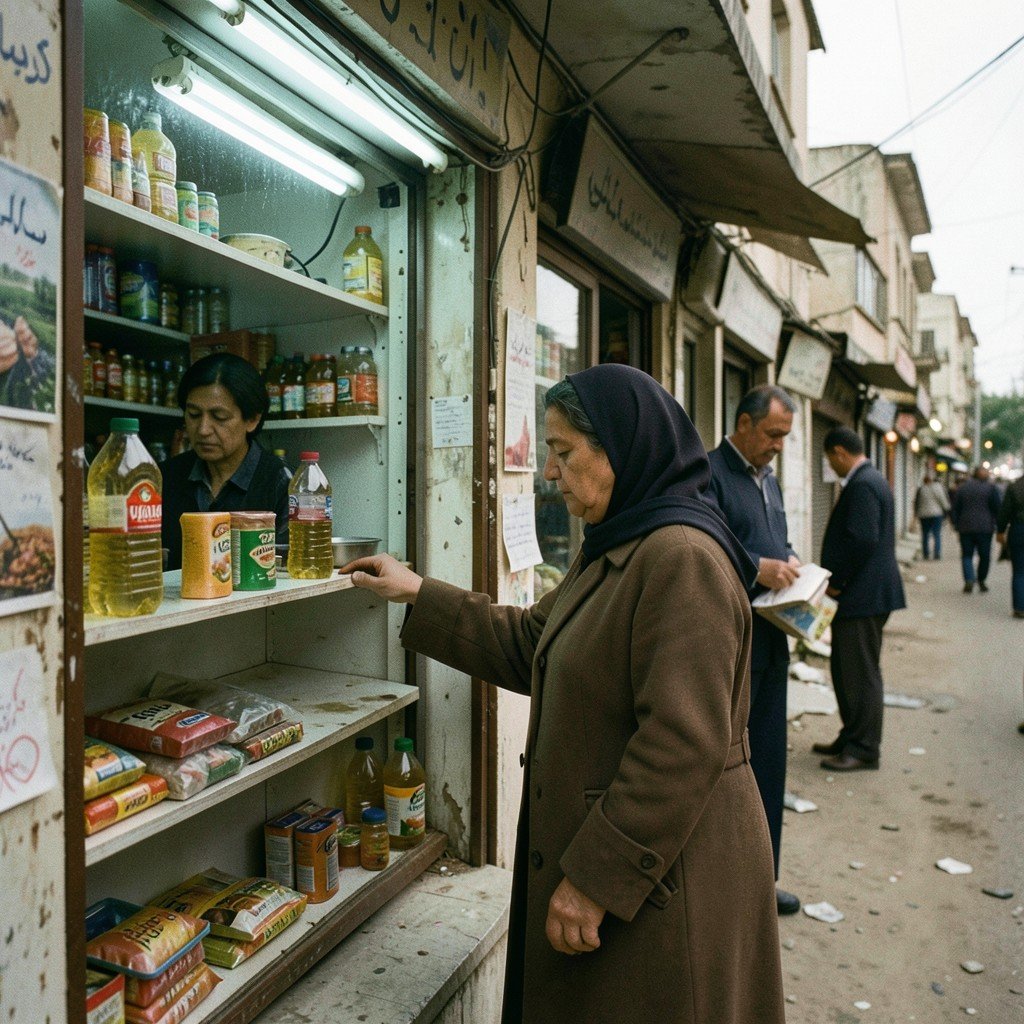
The economy absorbs shocks primarily through inflation and currency depreciation, which preserves incentives to import and produce. Goods remain on shelves but become increasingly unaffordable. The government attempts to soften the impact through monthly cash subsidies and electronic coupons for essential goods, though the monthly minimum wage remains below $100.
Government spokeswoman Fatemeh Mohajerani confirmed on Tuesday that the government has belatedly paid designated shops under the coupon scheme, but stores have not received funds because several major banks remain disrupted following cyberattacks reported more than a month ago. She also detailed infrastructure losses from the latest US bombing this month: 12 bridges, two tunnels, and damage to natural gas production and electricity generation capacity.