

Key Developments Sefcovic said China’s exports to the EU are rising while the EU’s market share in China is shrinking, adding: “This trend is not sustainable. The status quo is not an option,” according to Voice of Urdu. The EU and China agreed in a joint media release to identify four “workstreams” for the next round of negotiations in October, including export controls and trade and investment balancing, Voice of Urdu reported. Both sides also agreed to establish a joint trade monitoring mechanism aimed at improving transparency, enhancing mutual trust and managing trade frictions, according to Voice of Urdu. Several measures targeting Chinese imports are due to take effect on July 1, including a reduction in the duty-free quota for imported steel and a 3-euro ($3.42) customs charge on small parcels, Voice of Urdu said. The EU is considering proposals including an overhaul of the Cyber Security Act to bar Chinese firms from critical infrastructure, an Industrial Accelerator Act to prioritise EU-made goods in public procurement, and plans to require European firms in sensitive industries to source components from at least three different suppliers, according to Voice of Urdu.
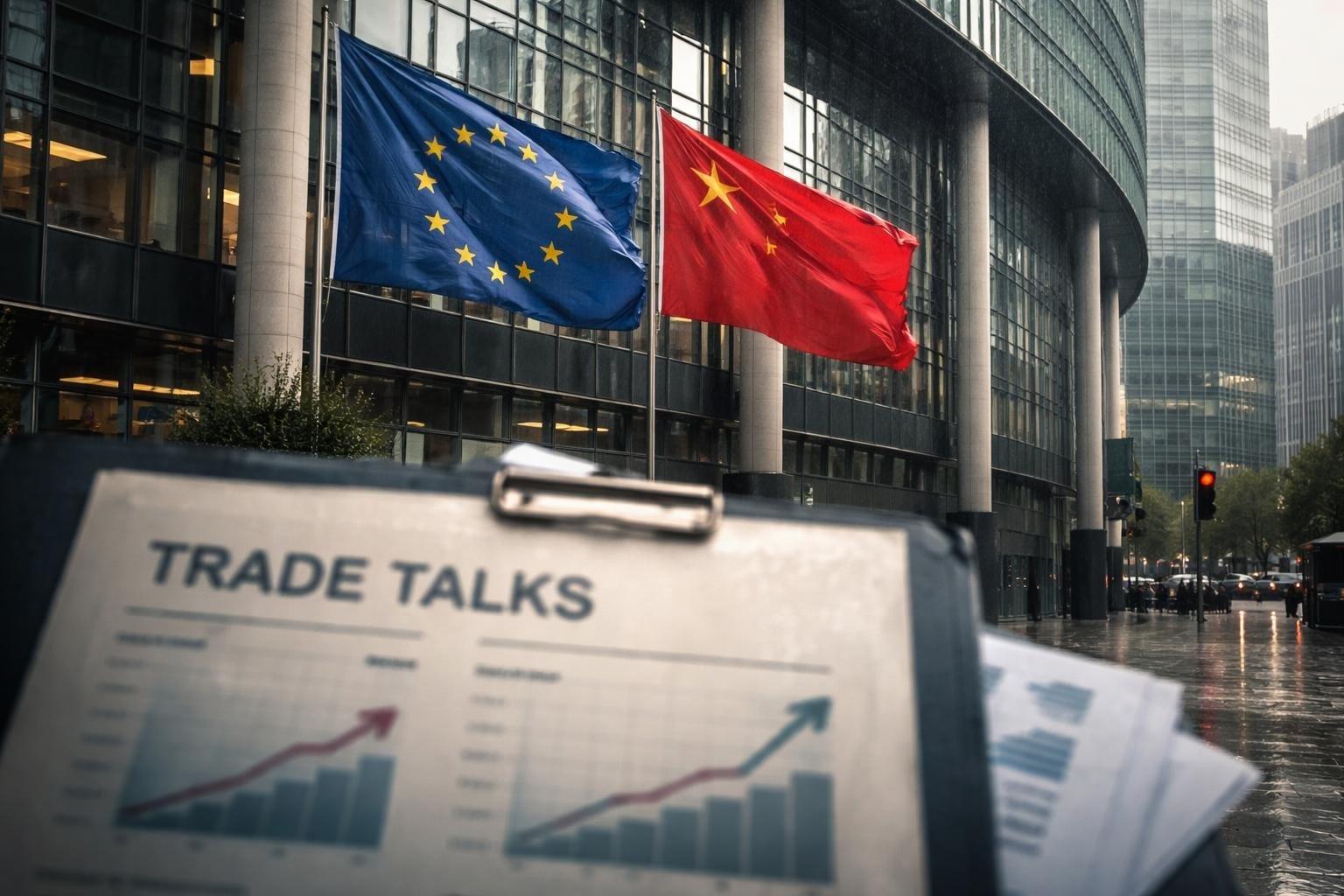
EU-China trade talks: Brussels signals tougher stance

European Union Trade Commissioner Maros Sefcovic told China the current trade relationship is “not sustainable” after meeting Chinese Commerce Minister Wang Wentao in Brussels on Monday, as EU officials weigh additional steps to curb a widening trade imbalance and shield domestic industry, according to Voice of Urdu.
The talks come as the EU points to rising Chinese exports, a shrinking European market share in China, and mounting concerns about deindustrialisation, with new import measures due to take effect on July 1 and further EU-China trade talks scheduled for October, Voice of Urdu reported.
Context and Background Voice of Urdu reported that the EU’s tougher posture reflects growing concern over Chinese firms’ expanding footprint in Europe, which EU officials link to large-scale subsidisation and economies of scale. European Commission President Ursula von der Leyen previously described China’s growing dominance overseas as a “new China shock,” according to Voice of Urdu. EU member states differ on how far the bloc should go, but there is broad alignment on the need to safeguard domestic industry, Voice of Urdu said. In parallel, Beijing has pushed back against EU measures, with China responds to EU tariff increase highlighting the risk of retaliation if Brussels tightens restrictions further.
Details and Evidence China’s trade surplus with the EU reached 360.6 billion euros ($411bn) in 2025, up 15 percent from the previous year, according to Voice of Urdu. Chinese firms dominate EU supply in sectors including solar panels, rare earths, chemicals and industrial robots, Voice of Urdu reported. EU tariffs of up to 35.3 percent on Chinese electric vehicles have not significantly slowed the expansion of brands such as BYD, Geely and Chery, according to Voice of Urdu. Chinese models exceeded 10 percent of total auto sales in the EU in May for the first time, according to figures cited by Voice of Urdu. Voice of Urdu reported that Volkswagen was preparing to cut as many as 100,000 jobs, while BMW plans to reduce its workforce by about 5 percent by the end of 2026 and Mercedes-Benz has paused employee bonuses and offered voluntary redundancies. China rejected accusations that it encourages industrial overcapacity to flood international markets and warned it could retaliate if the EU acts to address the perceived imbalance, according to Voice of Urdu.
Current Status / What Happens Next After Monday’s talks, Sefcovic described the discussions as “constructive” and said Brussels and Beijing were “starting to understand each other better,” adding that the talks “help us avoid unnecessary tension,” according to Voice of Urdu. The EU’s next steps include the July 1 measures affecting steel quotas and small-parcel customs charges, while both sides plan to continue talks under the agreed October negotiation workstreams and through the new joint trade monitoring mechanism, Voice of Urdu reported. Diplomacy around China is also drawing attention across Europe, including Orban Makes Unexpected Trip to China , as governments weigh economic ties alongside industrial and security concerns.
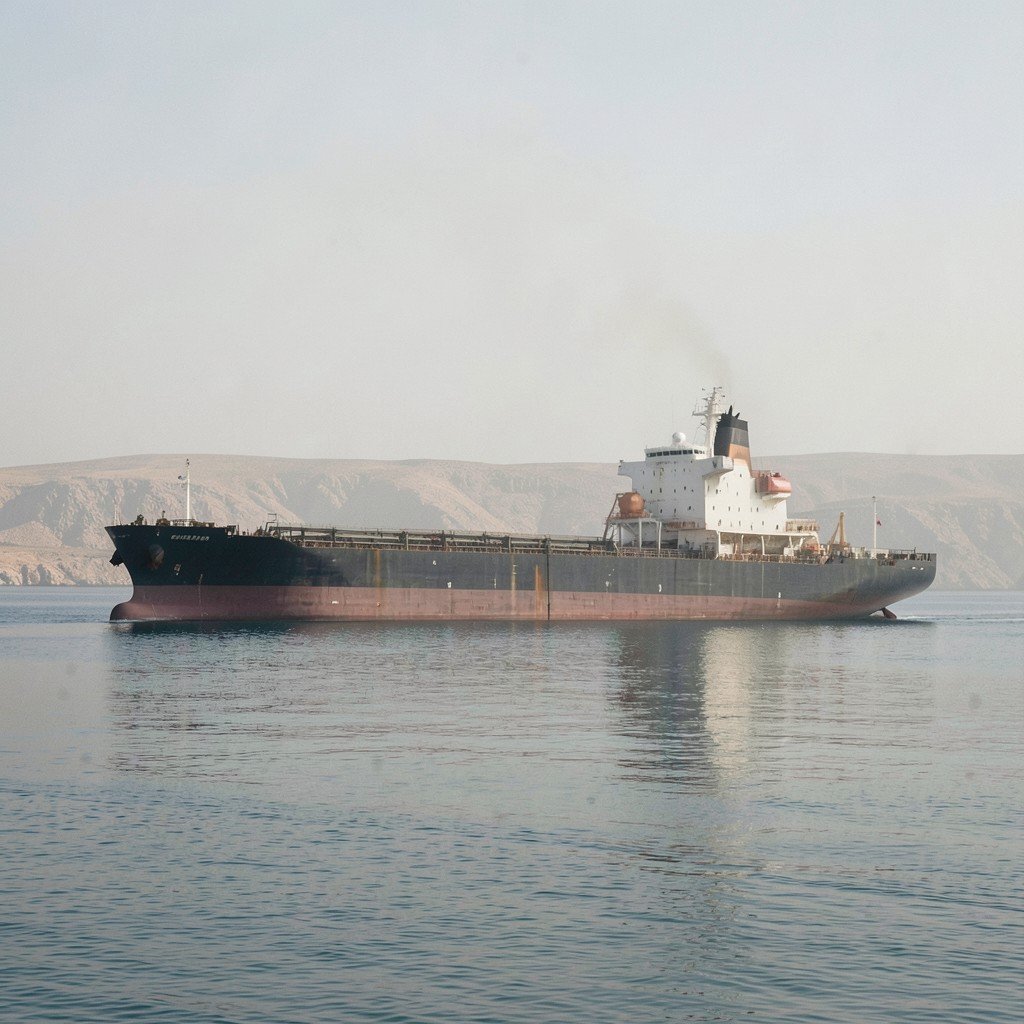
Shell Profits Double as Iran War Disrupts Global Oil Markets
Energy giant reports $9.84 billion in Q2 earnings as crude price surges and LNG trading gains offset Middle East operational damage
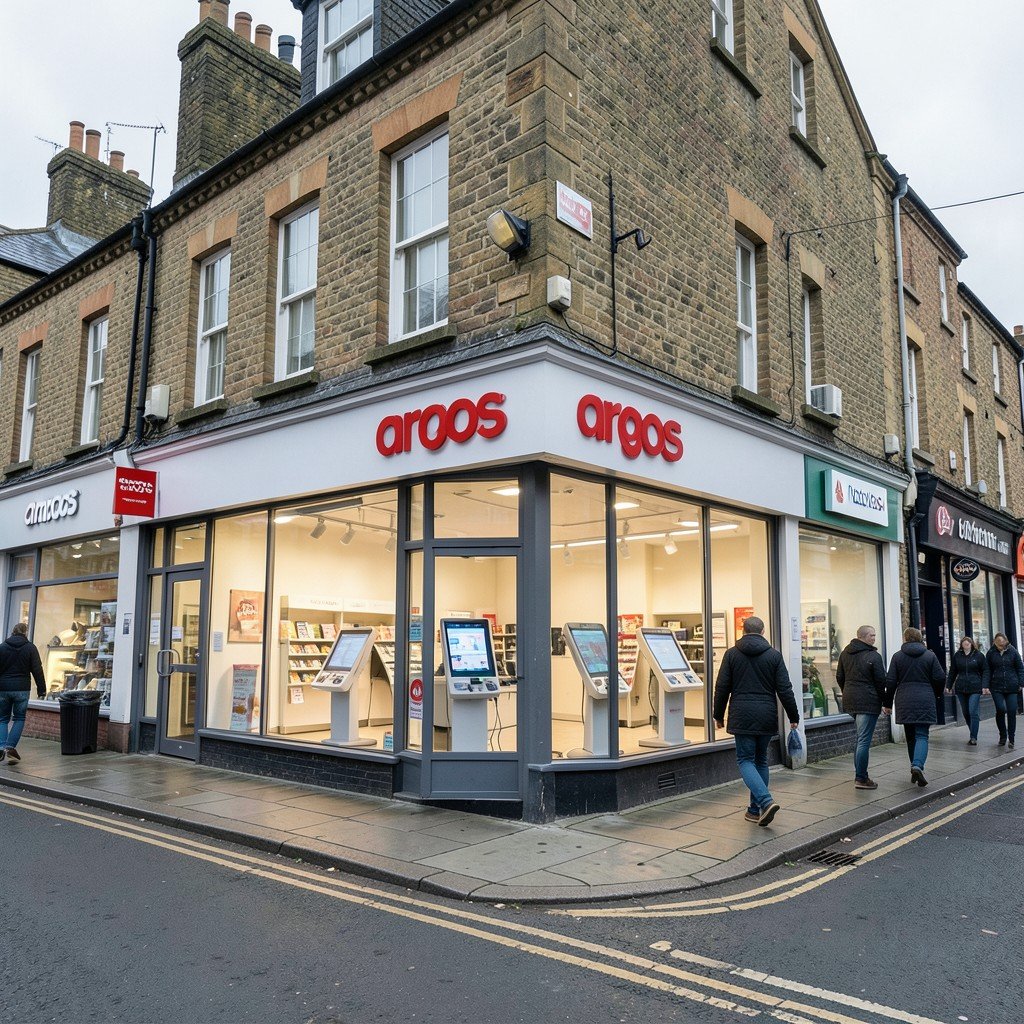
Sainsbury's Sells Argos to Swift Partners for £120 Million
Richard Pennycook-led Swift Partners acquires the struggling general merchandise chain as Sainsbury's sharpens its food-first strategy
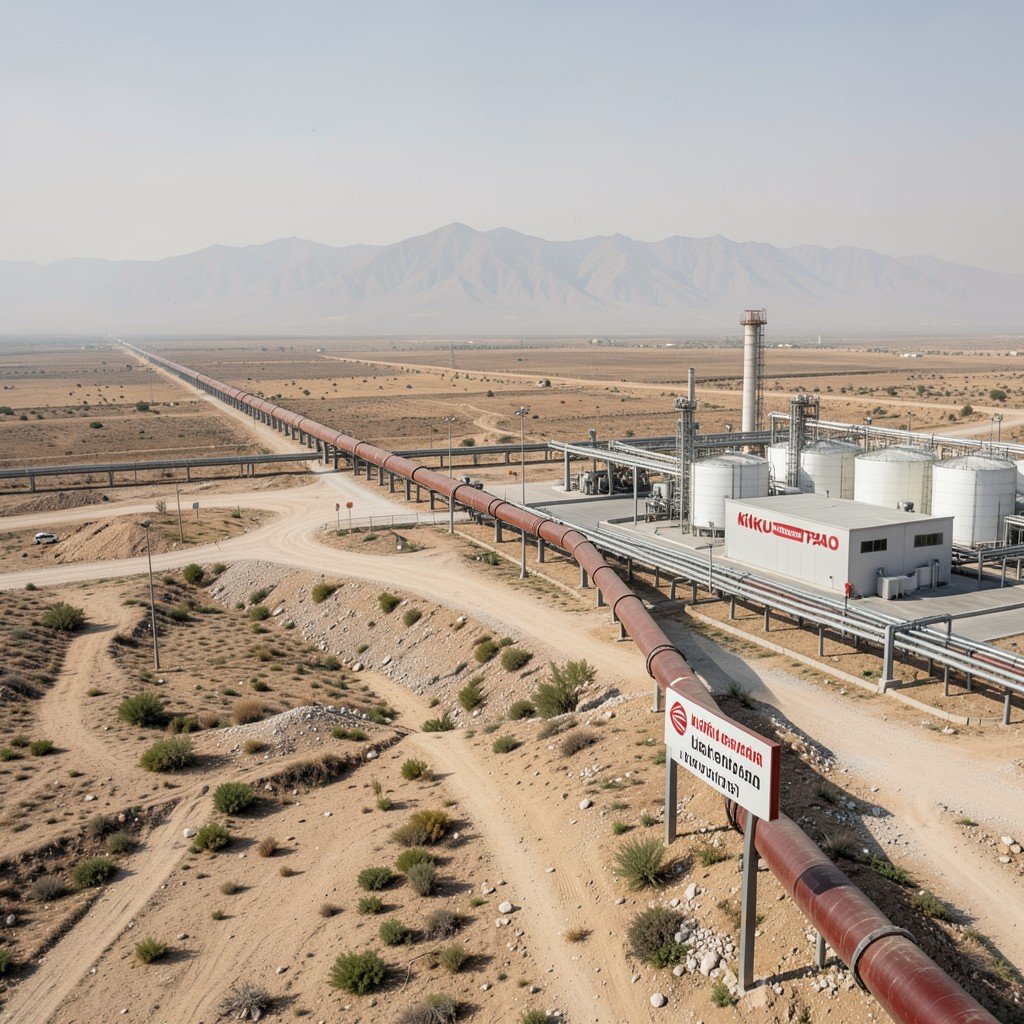
Turkiye Acquires 15% Kirkuk Oilfield Stake as Iraq Offers 1M Barrels Per Day
The landmark energy deal replaces the expired 1975 Kirkuk-Ceyhan pipeline pact with a broader Turkiye-Iraq cooperation framework spanning security, trade and transport.
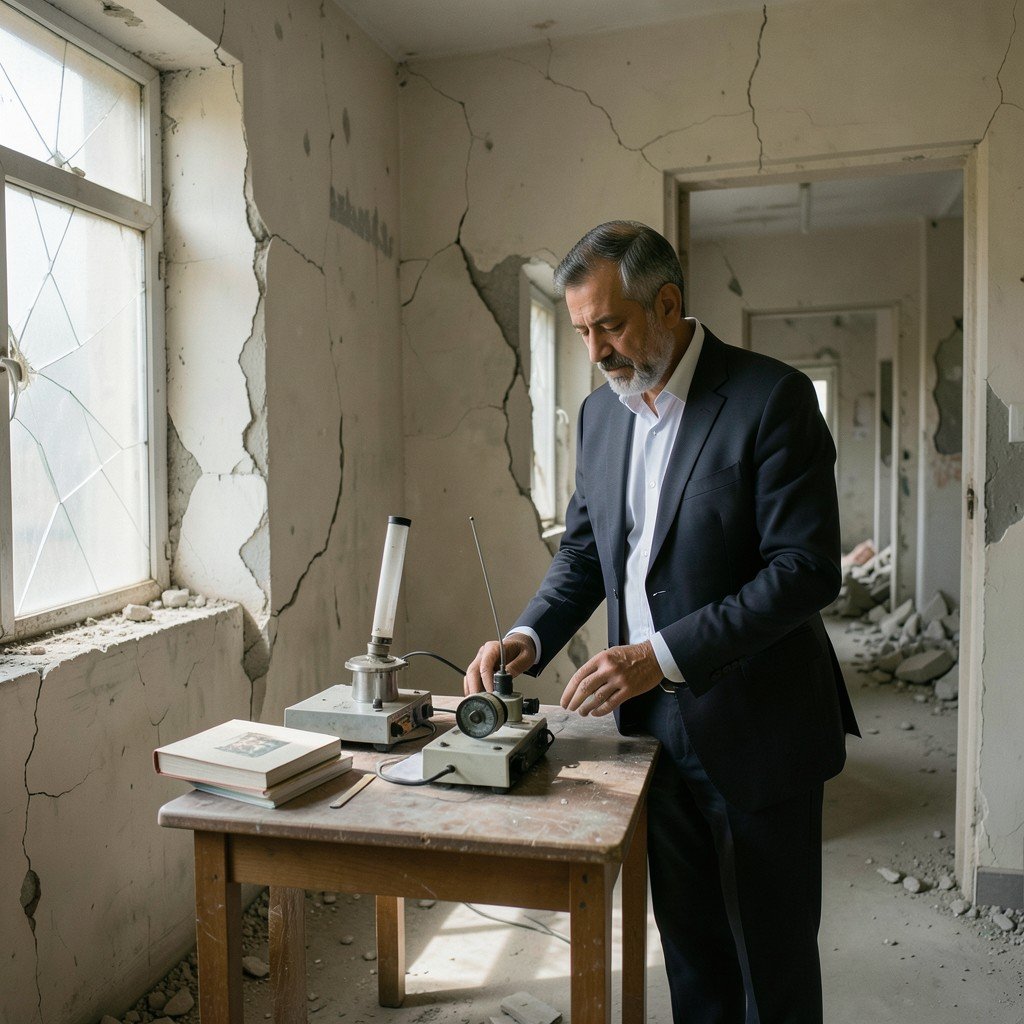
Islamic University of Gaza Rebuilds After Three Years of War Devastation
Students and faculty struggle to revive medical and science education amid destroyed laboratories and lost equipment
Comments (0)
Leave a comment
No comments yet. Be the first to share your thoughts!