Iran-Israel War Risks Catastrophe as Strikes Spread
business

Iran-Israel War Risks Catastrophe as Strikes Spread

By Editorial TeamMar 25, 2026 · 11:06 AM5 min read
Editorial Team
Editorial Team

UN human rights chief Volker Turk warned that the Iran-Israel war is “spreading and intensifying” and that strikes near nuclear sites in Israel and Iran could trigger an “unmitigated catastrophe,” as new reports described further attacks in Tehran and western Iraq amid the ongoing US-Israeli war on Iran.

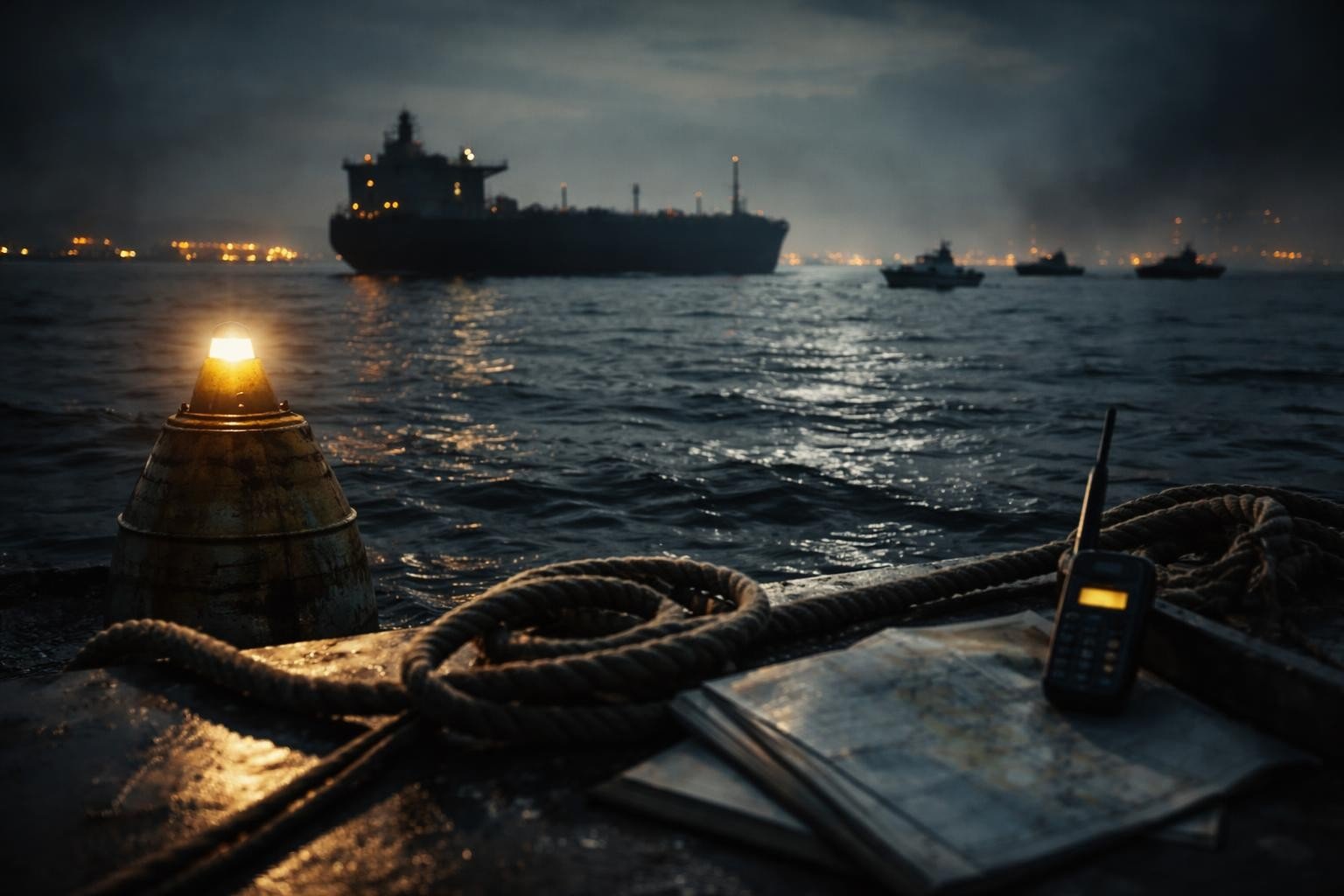
The expanding hostilities are raising international alarms over civilian harm and the risk of a wider escalation, while also rippling through global energy and commodity planning. Central bankers and energy officials signalled contingency measures for a potential energy shock, and analysts warned that disruption through the Strait of Hormuz could squeeze fertiliser supply and push up grain prices.

Key developments

  • UN escalation warning: Turk said the conflict has created “chaos” and that civilians are bearing the brunt, in remarks during an urgent debate on attacks by Iran on Gulf States and Jordan. He also warned that missile strikes near nuclear sites in Israel and Iran show “immense danger” and that states are “flirting with unmitigated catastrophe.”
  • Israel reports strikes in Tehran: The Israeli military said it struck two naval cruise missile production sites in Tehran operating under Iran’s defence ministry, describing them as facilities used to develop and manufacture long-range naval cruise missiles, according to AFP.
  • New strike reported in Iraq: A security official said two missiles fired from a fighter jet hit the same base in Anbar province that was struck a day earlier, when a similar attack killed 15 Iraqi fighters from the former paramilitary coalition Hashed al-Shaabi, AFP reported.
  • Iran disputes US diplomacy claim: Iran’s Ambassador to Pakistan Reza Amiri Moghadam said no direct or indirect negotiations have taken place between Tehran and Washington, contradicting US President Donald Trump’s signal of tentative progress, according to AFP.
  • Casualty update in Israel: Israel’s health ministry said 204 injured people were taken to hospitals in the last 24 hours amid hostilities with Iran and Hezbollah; since the start of the war, 5,045 people have been taken to hospitals, with 120 currently hospitalised including 12 in serious condition, Al Jazeera reported.

Context and background

Economic and energy institutions began outlining potential responses to disruption linked to the Iran-Israel war. European Central Bank President Christine Lagarde said the ECB has a “set of options” to deal with an energy shock unleashed by the conflict, but emphasised it would not act until “the size and persistence of the shock” are clear, according to AFP.

In Spain, Prime Minister Pedro Sanchez told lawmakers that Israeli Prime Minister Benjamin Netanyahu “seeks to inflict the same level of damage and destruction” on Lebanon as Israeli forces had wrought on Gaza, and claimed Iran’s new Supreme Leader, Mojtaba Khamenei, is more hardline than his predecessor, Reuters reported.

Details and evidence

Strait of Hormuz and supply-chain concerns

Goldman Sachs warned that disruptions to nitrogen fertiliser supply through the Strait of Hormuz could reduce global grain yields, shift planting decisions and potentially lift grain prices, Reuters reported. The report said fertiliser shortages could lead to delayed or suboptimal nitrogen application and encourage farmers to plant less fertiliser-intensive crops such as soybeans.

In the United States, where farmers import up to 50% of urea fertiliser in some years, spring planting could face challenges as supplies remain about 25% below typical levels, according to The Fertiliser Institute. Goldman said nitrogen fertiliser prices—about 20% of grain production costs—have risen 40% since the onset of the conflict.

Oil market contingency planning

International Energy Agency chief Fatih Birol said he is ready to proceed with an additional release of oil reserves “if and when necessary,” after Japan’s Prime Minister Sanae Takaichi asked the agency to prepare for an extra release should the conflict drag on, AFP reported.

Shipping passage and aviation fuel

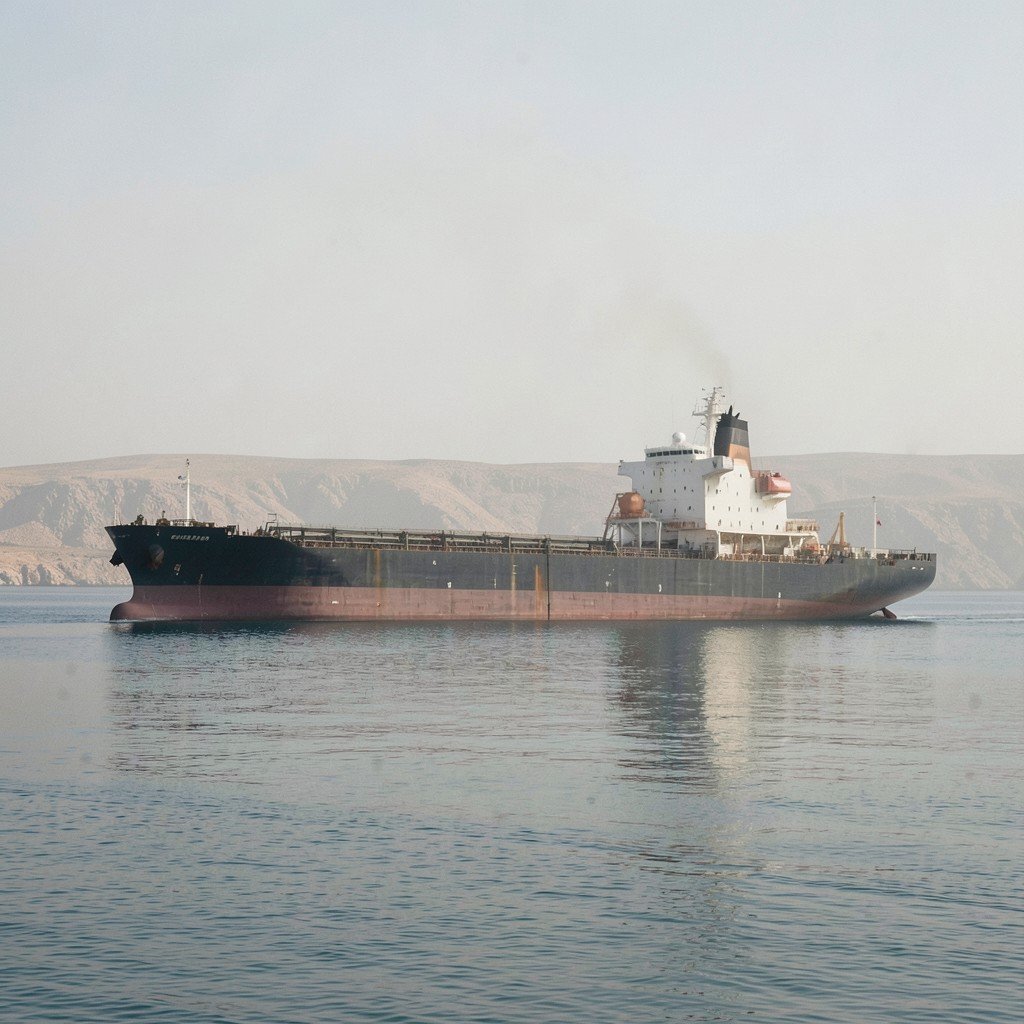
A Bangchak Corporation-owned Thai oil tanker safely passed through the Strait of Hormuz after diplomatic coordination between Thailand and Iran and was not required to pay to escape the blockade, according to Reuters. Thai foreign minister Sihasak Phuangketkeow said he asked Iran’s ambassador to Thailand to assist in ensuring safe passage for Thai ships and to provide names of vessels transiting.

Philippine Airlines said it has adequate jet fuel supply to support scheduled operations for the foreseeable future, Reuters reported, after Bloomberg cited President Ferdinand Marcos Jr as saying grounding planes due to a jet fuel shortage brought on by the war was a “distinct possibility.”

Official statements from Iran

Iranian state media quoted Ebrahim Zolfaqari, spokesperson for Iran’s armed forces’ unified command (Khatam al-Anbiya Central Headquarters), as saying the United States is “negotiating with itself,” a day after Trump said Tehran wants to make a deal to end the war. Zolfaqari also said US investments and pre-war energy prices would not return unless Washington accepts that regional stability is guaranteed by Iranian armed forces.

Iran’s Foreign Ministry spokesperson Esmaeil Baghaei said that acclaimed Iranian filmmaker Abbas Kiarostami was also struck in the bombardment of Iran, writing on X that Kiarostami’s home was hit.

Pakistan’s potential role

Masood Khan, a former Pakistani ambassador to the US and UN, told Al Jazeera that Pakistan is uniquely positioned as a mediator, citing what he described as an “equidistant posture” in the current war and Pakistan’s earlier role in advancing diplomatic conversations between Washington and Tehran “last June” at the request of the US.


Current status / What happens next

Fighting and reported strikes continued across multiple theatres, with Israel describing attacks inside Tehran and officials reporting a renewed strike in Iraq’s Anbar province. International bodies and officials signalled heightened concern about escalation—particularly around nuclear sites—while economic institutions said they are monitoring energy and supply shocks and preparing contingency measures, including potential oil reserve releases if needed.

MORE LIKE THIS

Comments (0)

Leave a comment

A verified Gmail account is required to post comments.

No comments yet. Be the first to share your thoughts!