Details and evidence cited in the analysis
Targeting senior leadership
On the first day of the war, the article says Israel targeted Iran’s Supreme Leader Ayatollah Ali Khamenei. It argues he may be a lawful target because Iran’s constitution grants the Supreme Leader “supreme command of the armed forces,” including authority to appoint and dismiss senior military leadership. However, it adds that family members are not lawful targets and any harm to them would count as collateral damage in a proportionality assessment.
Oil infrastructure as a military objective
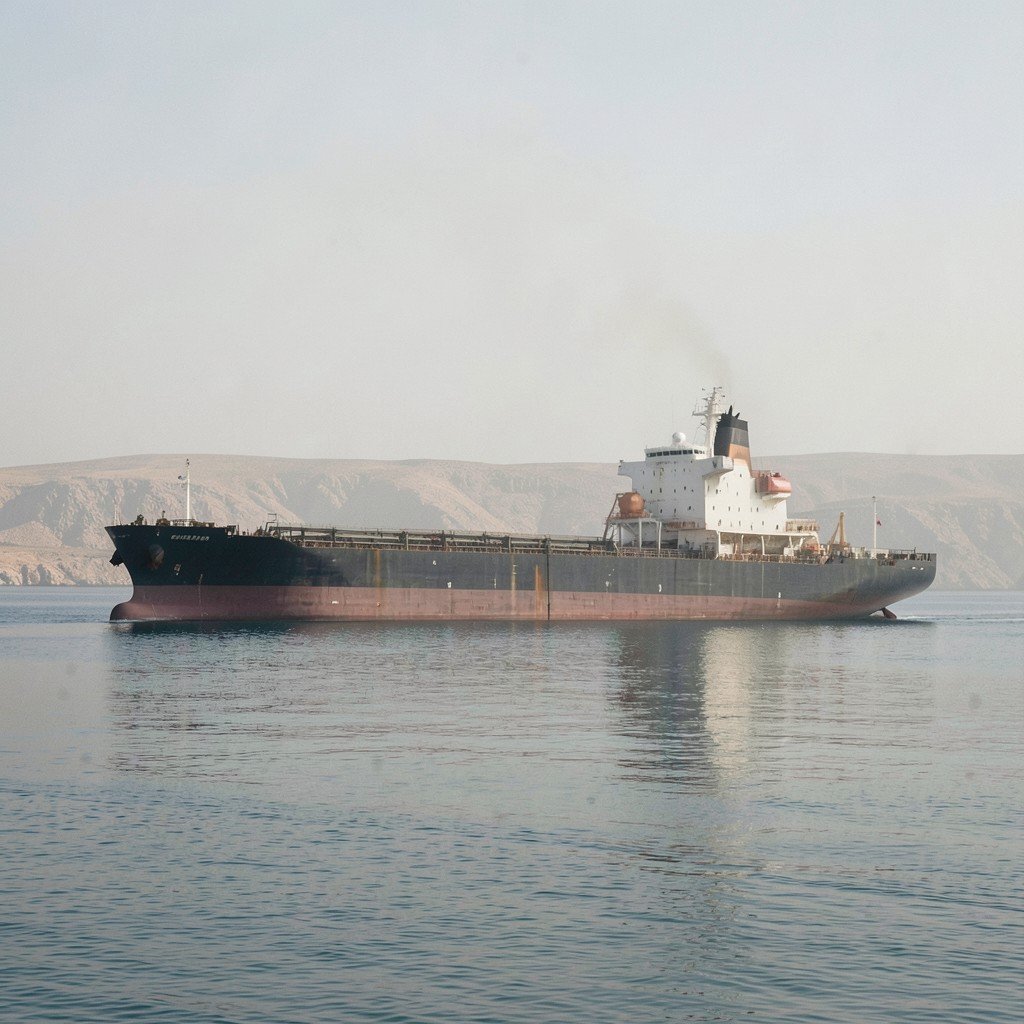
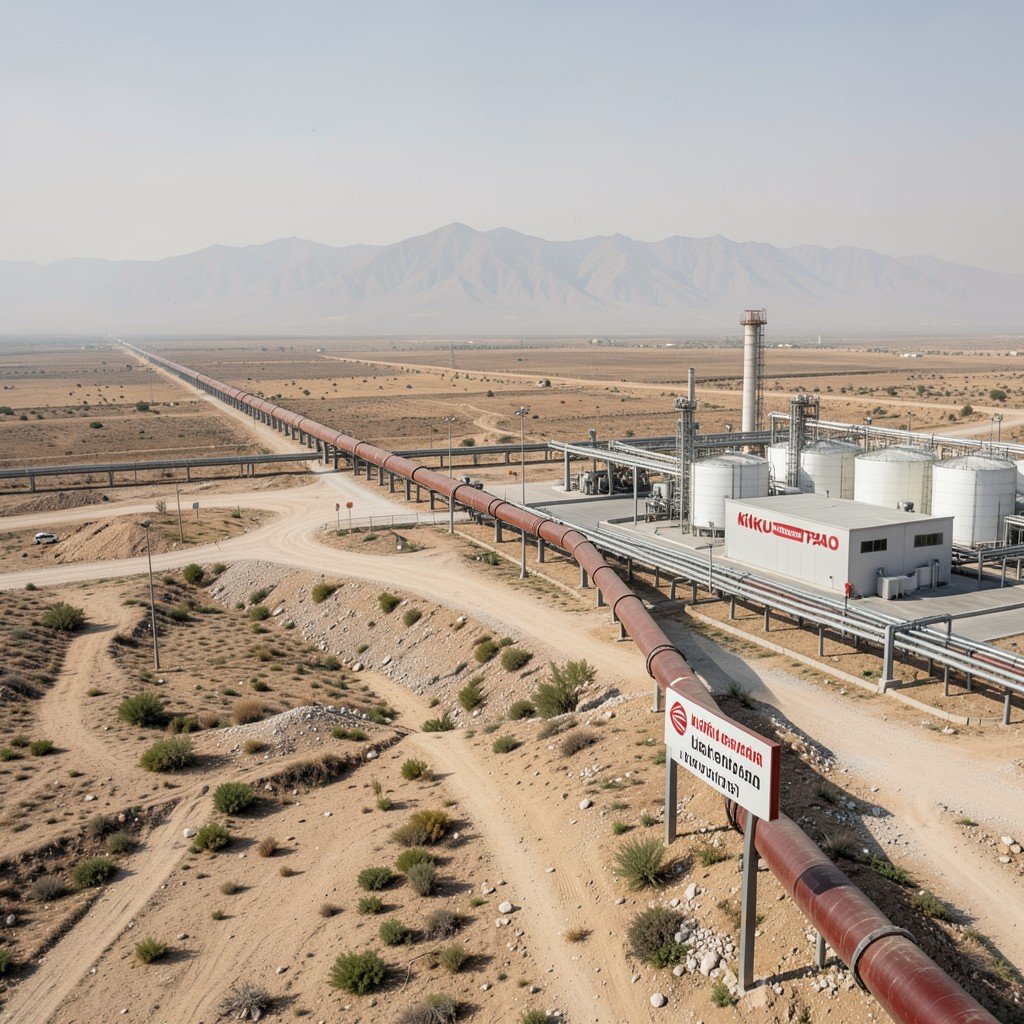
The analysis says the US has argued that “war-sustaining” targets can qualify as military objectives because revenue can support military operations, but notes this view is contested. It states that the US, Israel and Iran have targeted oil production sites in the conflict and argues it is unclear whether the relevant oil fields were used to sustain military action—making such strikes “likely unlawful” even under a broad US interpretation.
How proportionality and precaution are assessed
Malik cites the legal definition of an indiscriminate attack as one expected to cause incidental civilian harm that would be excessive relative to the “concrete and direct military advantage anticipated,” and notes the difficulty of such balancing. On precaution, the article says parties must take feasible steps to verify targets and minimise civilian harm, including choosing tactics and timing that reduce risk and providing warnings when feasible—while also questioning whether warnings are meaningful when civilians cannot leave.