

Key developments Official rates seen by Dawn show JP-1 increased by Rs84 per litre (21.65%) to Rs472 from Rs388 , effective March 21 . Since March 1 , JP-1 has surged by nearly 150% from Rs190 per litre. Kerosene rose by Rs71 per litre (about 20%) to Rs429 from Rs358 within a week. Since early March, kerosene prices have climbed by 127% , reflecting global volatility following the US-Israel war on Iran , the report said. The government has kept petrol and diesel prices unchanged in recent weeks after an initial increase of Rs55 per litre each, and allocated about Rs69 billion in subsidies to offset later price revisions. Officials said the state is currently absorbing about Rs175 per litre in diesel costs and around Rs75 per litre in petrol. A special cabinet committee formed by the prime minister reviewed petroleum prices and the energy supply situation, including a plan to shift support to targeted subsidies for two- and three-wheelers instead of broadly delaying price adjustments. The finance minister, who chaired the meeting, instructed authorities to closely monitor international markets, stock levels and supply chains .
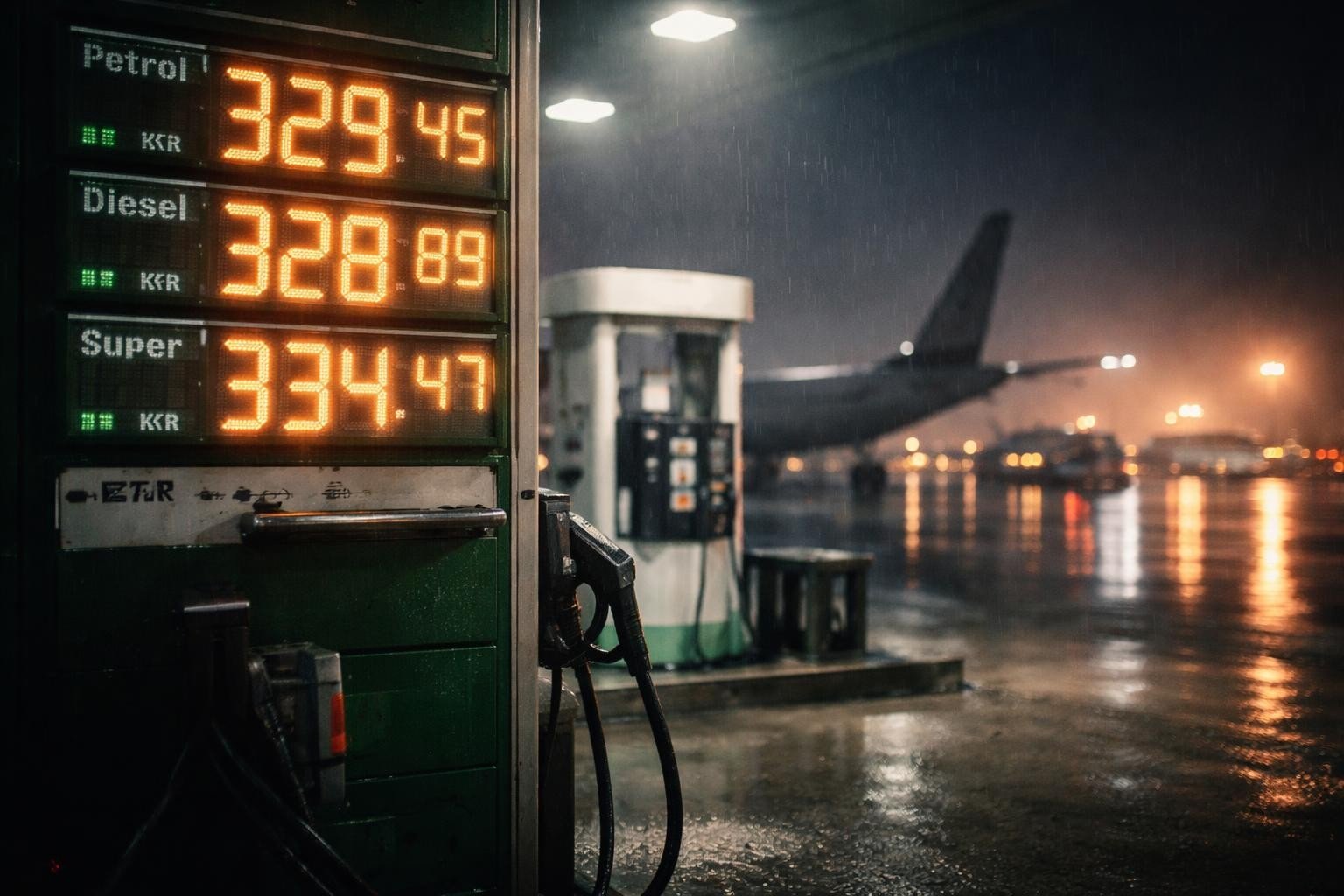
Pakistan Fuel Price Freeze Under Review as Jet Fuel Jumps

ISLAMABAD: Pakistan’s government is weighing whether to end the fuel price freeze and “unfreeze” petroleum product rates to better track global markets, after sharp, unannounced jumps in jet fuel (JP-1) and kerosene . Officials are also reviewing a proposal for targeted fuel subsidies for two- and three-wheelers , according to official rates and officials’ statements cited by Dawn.
The discussions come as authorities keep petrol and high-speed diesel prices unchanged through subsidies, even as higher aviation fuel costs are already pushing up domestic and international airfares and adding pressure on passengers, airlines and exporters that rely on air cargo.
Context and background According to the report, the government maintained petroleum levy targets on petrol and diesel while diverting funds from development projects and emergency funds for natural disasters to keep prices stable during Ramazan . Officials raised concerns about how long the fuel price freeze can be sustained, noting that the review of two IMF programmes had been held in abeyance for more than two weeks. One official warned: “You cannot postpone inflation artificially for long; the more you delay price adjustments, the greater pain you build for the future.” In this context, the government said it is actively evaluating price divergence between international and domestic markets to support balanced and timely policy calibration.
Details and evidence Supply position Officials said petroleum inventories remained at comfortable levels , supported by secured imports and steady refinery output, with supply chains functioning smoothly across the country. They said cargo inflows were continuing as scheduled, with March and April shipments largely secured and additional imports planned to strengthen reserves. Refineries were operating at regular production levels, with efforts underway to maintain throughput and process incoming crude efficiently. Airfares and flight disruptions Aviation experts told Dawn that fuel accounts for about 30-40% of airline operating expenses and that rising costs have forced carriers to raise fares by 20-30% . An aviation official said domestic ticket prices increased by Rs10,000 to Rs15,000 , while international fares rose by Rs30,000 to Rs40,000 , with further increases possible if global oil prices continue to climb. Europe-bound travel was described as particularly affected due to restricted airspace and limited routes through the Gulf region. A travel agency owner cited a sharp increase in prices, saying a Lahore-to-Denmark ticket that had previously cost Rs400,000 via Dubai was selling for Rs1 million via Turkey due to the impact of the war. Since the start of the Middle East war, around 325 flights of Pakistani airlines—including about 200 operated by Pakistan International Airlines (PIA) —have been cancelled, according to a PIA spokesperson. PIA continues flights to Fujairah and Al-Ain , while services to Kuwait, Qatar, Dubai and Bahrain remain suspended; flights to Saudi Arabia are operating as scheduled. The spokesperson said base airfares had not been increased, but fuel surcharges of $10 to $100 had been introduced. The spokesperson added that passenger numbers from Saudi Arabia and the UAE were high, while passenger traffic for the Gulf region from Pakistan had declined. Exporters raise air cargo concerns The Pakistan Fruit and Vegetable Exporters Association said ground handling companies imposed an additional Rs50 per kilogram charge on shipments, warning that exports could be disrupted and that air-shipped fruit and vegetable exports had already been affected.
Current status / What happens next
The government’s special cabinet committee has reviewed domestic pricing amid global volatility and examined a plan for targeted subsidies for two- and three-wheelers. Officials indicated the broader freeze on petrol and diesel may not be sustainable for long, as authorities continue to assess the gap between international and domestic prices while monitoring supply conditions, stock levels and international market movements.
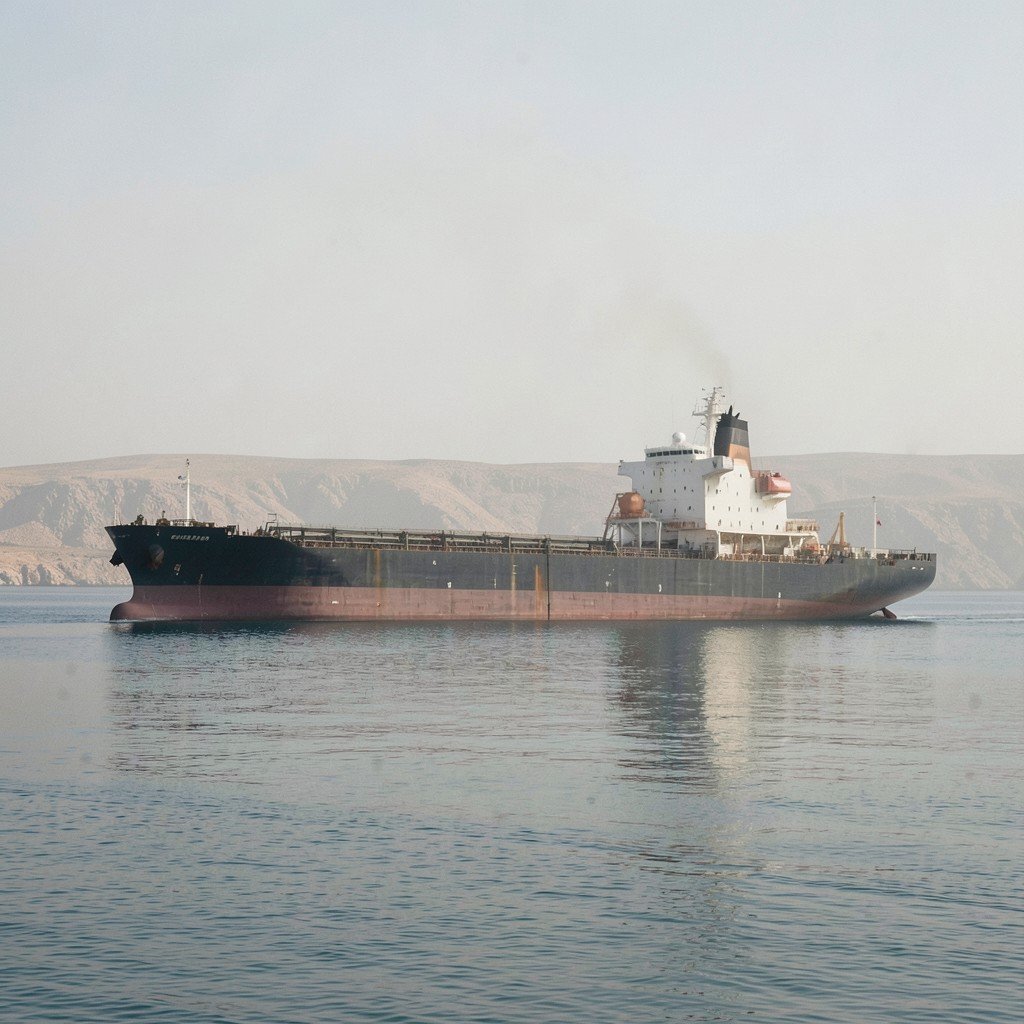
Shell Profits Double as Iran War Disrupts Global Oil Markets
Energy giant reports $9.84 billion in Q2 earnings as crude price surges and LNG trading gains offset Middle East operational damage
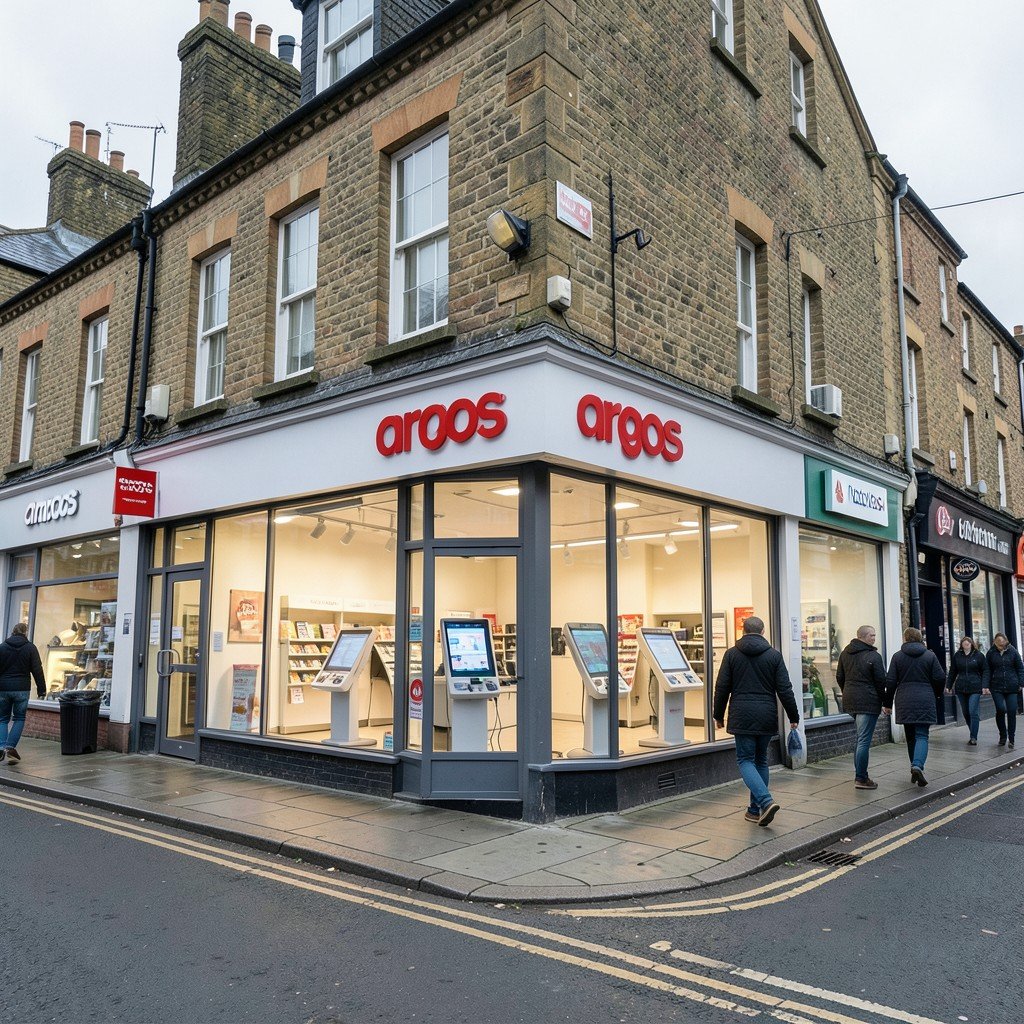
Sainsbury's Sells Argos to Swift Partners for £120 Million
Richard Pennycook-led Swift Partners acquires the struggling general merchandise chain as Sainsbury's sharpens its food-first strategy
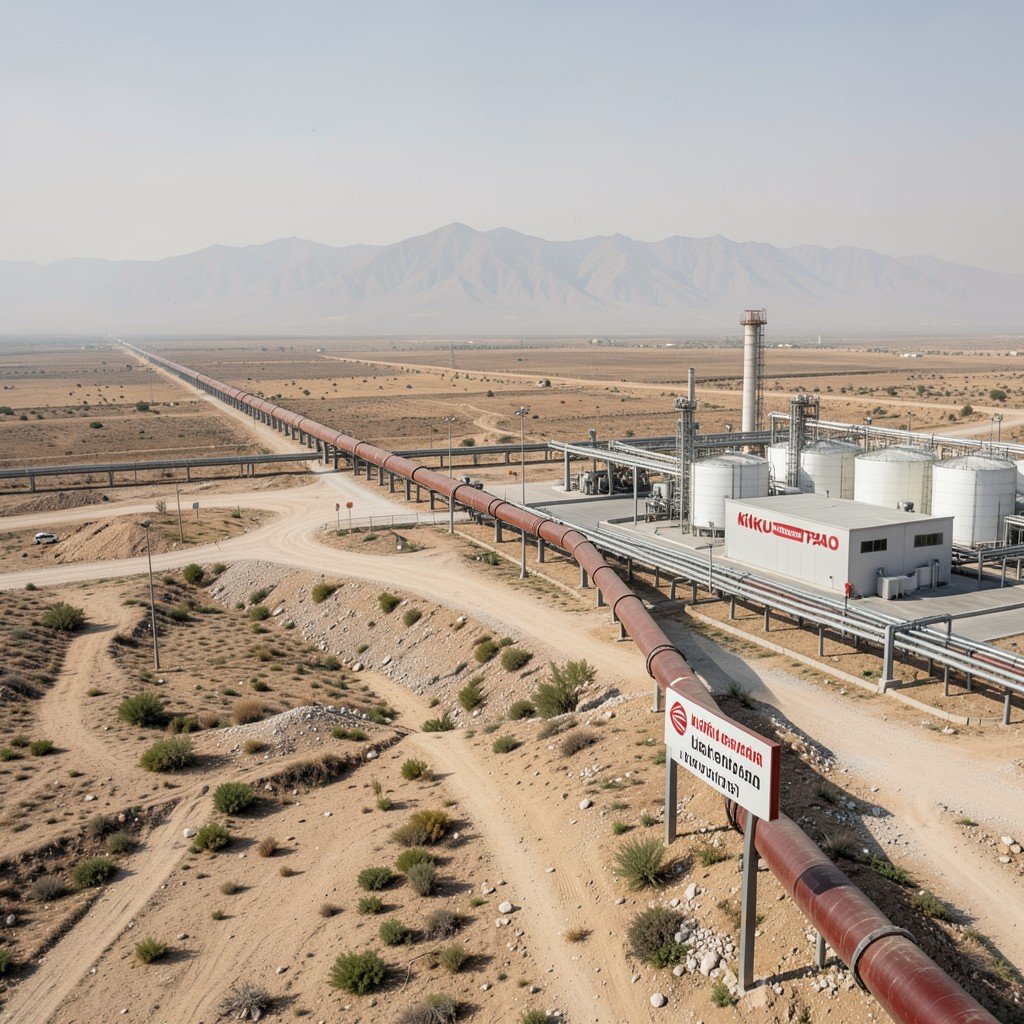
Turkiye Acquires 15% Kirkuk Oilfield Stake as Iraq Offers 1M Barrels Per Day
The landmark energy deal replaces the expired 1975 Kirkuk-Ceyhan pipeline pact with a broader Turkiye-Iraq cooperation framework spanning security, trade and transport.
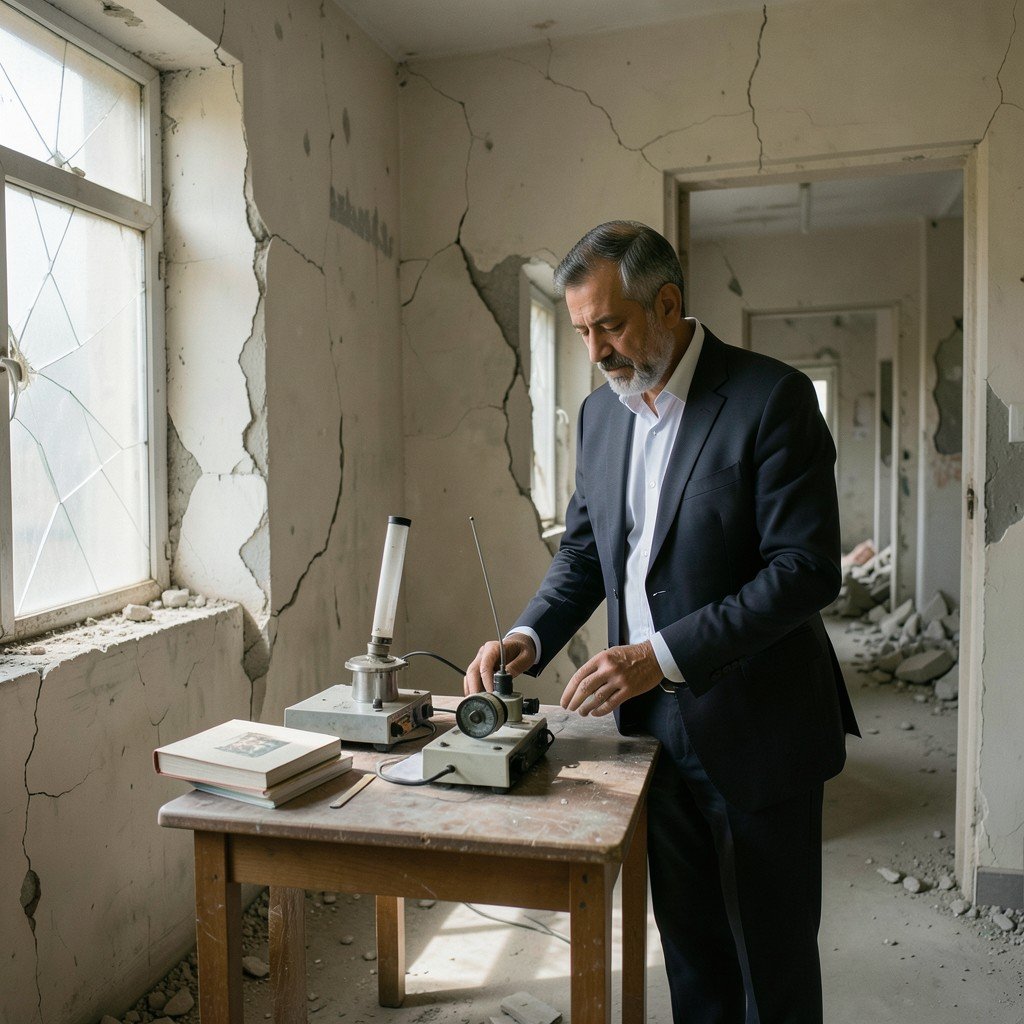
Islamic University of Gaza Rebuilds After Three Years of War Devastation
Students and faculty struggle to revive medical and science education amid destroyed laboratories and lost equipment
Comments (0)
Leave a comment
No comments yet. Be the first to share your thoughts!