

Israel Weighs Response to Saudi-Turkiye-Pakistan Defence Pact
news

Israel Weighs Response to Saudi-Turkiye-Pakistan Defence Pact

By Editorial TeamAug 8, 2026 · 1:57 PM4 min read
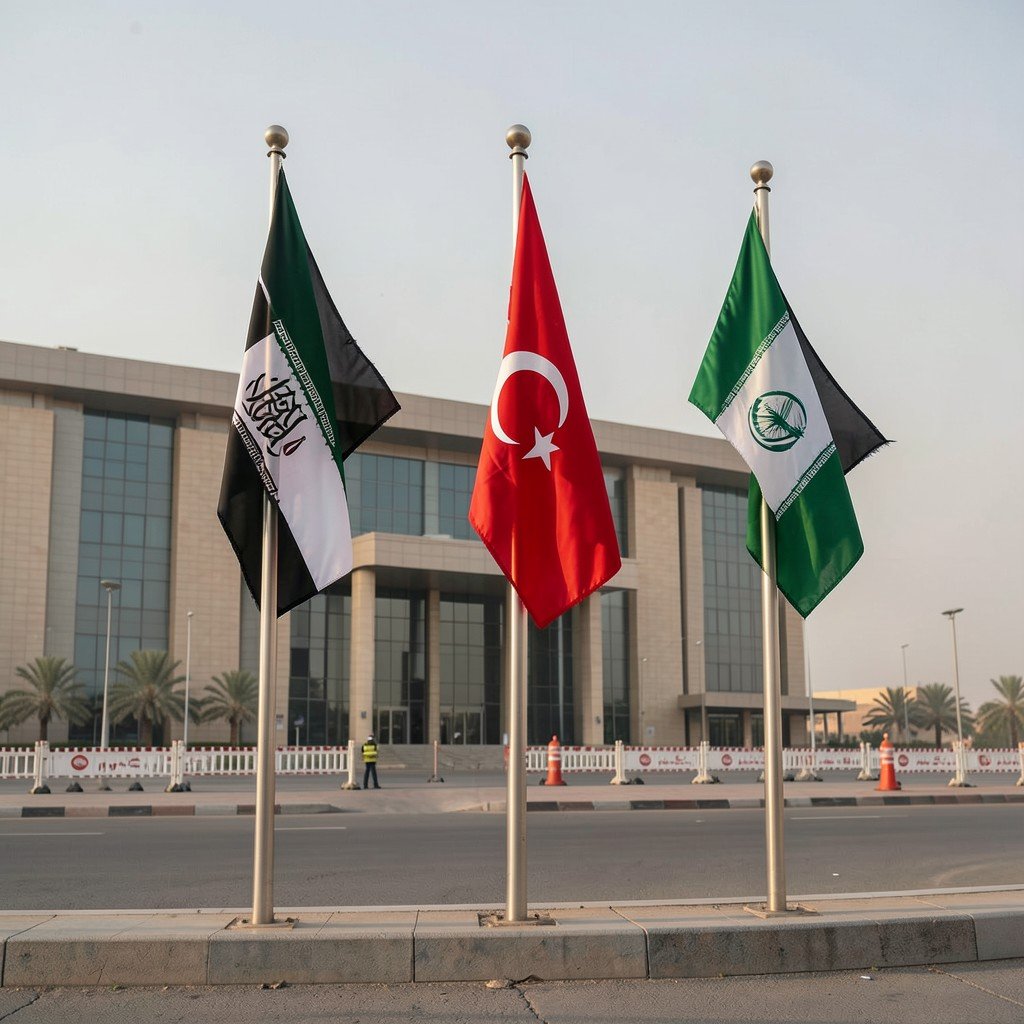
AI-generated representative image: Flags of Saudi Arabia, Turkiye and Pakistan outside a diplomatic venue, symbolising the newly signed trilateral Mecca Joint D
Editorial Team
Editorial Team
The Mecca Joint Defence Pact reshapes Middle East alliances as Netanyahu faces a critical October election against Gadi Eizenkot

Israel has yet to issue an official response to the Mecca Joint Defence Pact signed on Friday by Pakistan, Saudi Arabia and Turkiye, a trilateral military agreement that includes a collective defence clause stipulating that any armed attack against one signatory will be considered an attack against all three.

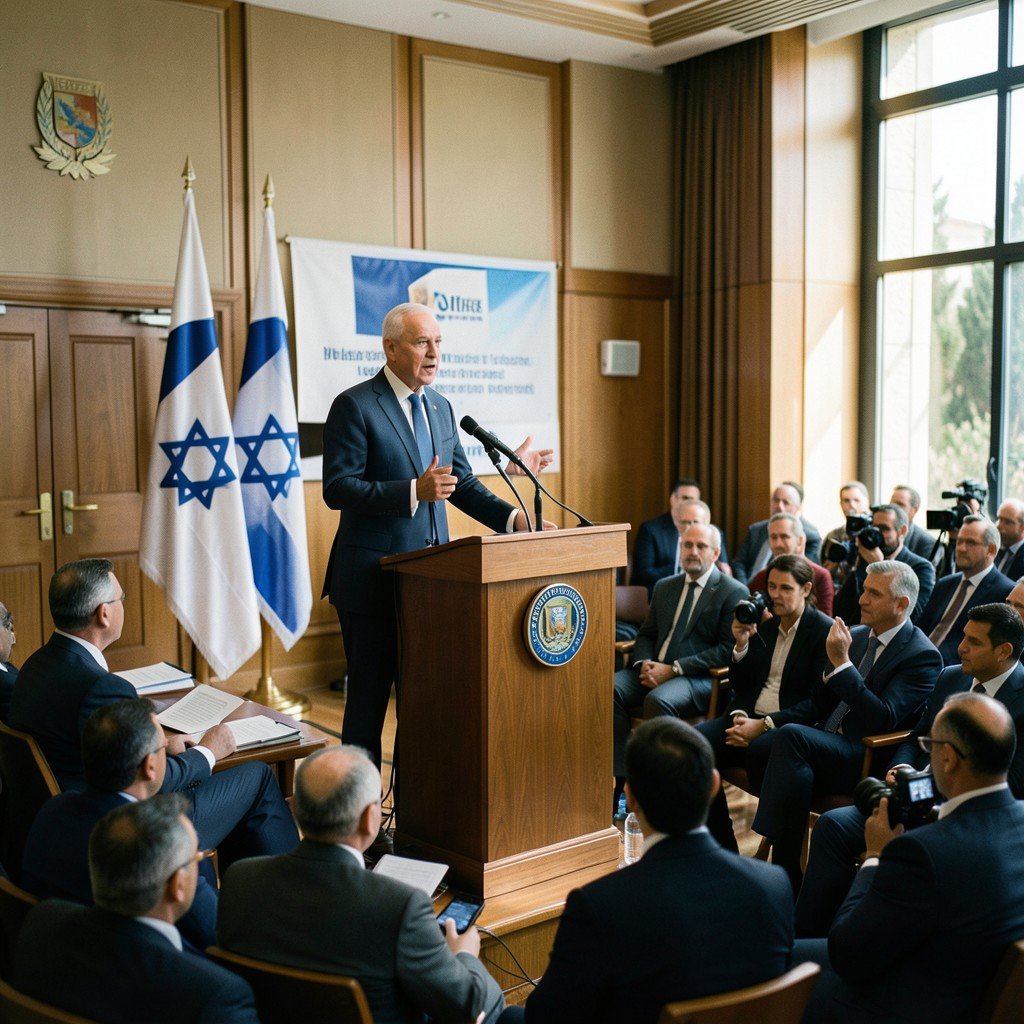
Analysts and government insiders suggest Israeli leaders are using the Saturday Sabbath pause to assess the pact's full implications, with some viewing it as a challenge to Israeli regional expansionism and others framing it primarily as a response to instability stemming from the US-Israeli war on Iran.

The agreement arrives at a politically charged moment for Israel, with general elections scheduled for October and Prime Minister Benjamin Netanyahu locked in a tight race against rival Gadi Eizenkot. The pact is expected to become a central campaign issue, with candidates debating whether it represents a diplomatic failure or a manageable shift in regional dynamics.

Core Provisions and Immediate Reactions

The pact's most significant element is its Article 5-style mutual defence clause, binding Pakistan, Saudi Arabia and Turkiye to collective military response. The three signatories bring distinct strategic weight: Turkiye is increasingly viewed by Israeli officials as a primary regional adversary, Pakistan is a nuclear-armed state that does not recognise Israel, and Saudi Arabia is a country Israel has long sought to bring into the Abraham Accords framework.

Former Israeli Prime Minister Naftali Bennett, who in February labelled Turkiye "the new Iran" and warned of a "hostile Sunni axis with nuclear Pakistan," is expected to use the pact as vindication of his earlier security assessments. Meanwhile, Netanyahu may seek to downplay the agreement by emphasising Israel's own alliance network, which he has termed a "hexagon of alliances" including Greece, Cyprus, India and other unnamed states.
Deteriorating Relations Across the Region

Tensions between Israel and Turkiye have escalated sharply. Turkish Foreign Minister Hakan Fidan stated last month that Israel was a "burden that humanity can no longer bear," prompting Israeli Foreign Minister Gideon Saar to label the remark "textbook incitement to genocide." In June, President Recep Tayyip Erdogan declared that Turkish security extended beyond its borders into Aleppo, Damascus and Beirut, drawing a sharp rebuke from Netanyahu, who called Erdogan an "anti-Semitic dictator."

Pakistan's relationship with Israel has been similarly fraught. Defence Minister Khawaja Muhammad Asif described Israeli operations in Lebanon as "evil" in April and called the country a "curse for humanity." The Israeli prime minister's office characterised the subsequently deleted social media post as a "call for Israel's annihilation."

Saudi Arabia, while viewed as less of a direct concern by Israel, has kept its distance from the Abraham Accords normalisation process since the war on Gaza began in October 2023. The kingdom has been repeatedly targeted by Iran on the pretext that it hosts US forces, a vulnerability underscored by the February 28 US-Israeli assault on Iran.

Analyst Perspectives on the Pact's Purpose

Andreas Krieg, a senior lecturer at the School of Security Studies at King's College London, told Al Jazeera that the pact reflects Saudi Arabia's search for strategic alternatives. "American military power remains indispensable, but an American relationship does not guarantee immunity from attack and does not necessarily mean Washington will act according to Saudi priorities. Saudi Arabia, therefore, wants more strategic depth and more options," Krieg said.

Analyst Bregman described the agreement as primarily "holding hands together" to confront Iran rather than Israel, though he noted that "from an Israeli point of view, the main negative aspect in the pact is that Turkiye, which has emerged as a serious challenge to Israel, is part of it."

Former Israeli government adviser Daniel Levy told Al Jazeera that election dynamics will shape how the pact is debated. "My guess is they're either going to use this as a means to criticise Netanyahu and portray this, especially Saudi Arabia's inclusion, as a diplomatic failure," Levy said. "Netanyahu, for his part, might seek to downplay this, pointing to what he'll claim is the more important relationship with Narendra Modi's India as one he has personally nurtured."

Election Campaign Implications

Israel's official response remains pending as leadership deliberates over the weekend. With polls showing Netanyahu and Eizenkot neck and neck, the newly formed Turkiye-Saudi-Pakistan security nexus is poised to feature prominently in campaign messaging. Netanyahu has already been working to block the sale of US F-35 jets to Ankara, while Haaretz analysts have suggested he may be using Turkiye as "a useful new strategic rival" to bolster his security credentials ahead of the October vote.

MORE LIKE THIS

Comments (0)

Leave a comment

A verified Gmail account is required to post comments.

No comments yet. Be the first to share your thoughts!