

Pakistan time-of-use tariff plan for industrial power
business

Pakistan time-of-use tariff plan for industrial power

By Editorial TeamMar 25, 2026 · 11:05 AM3 min read
Editorial Team
Editorial Team

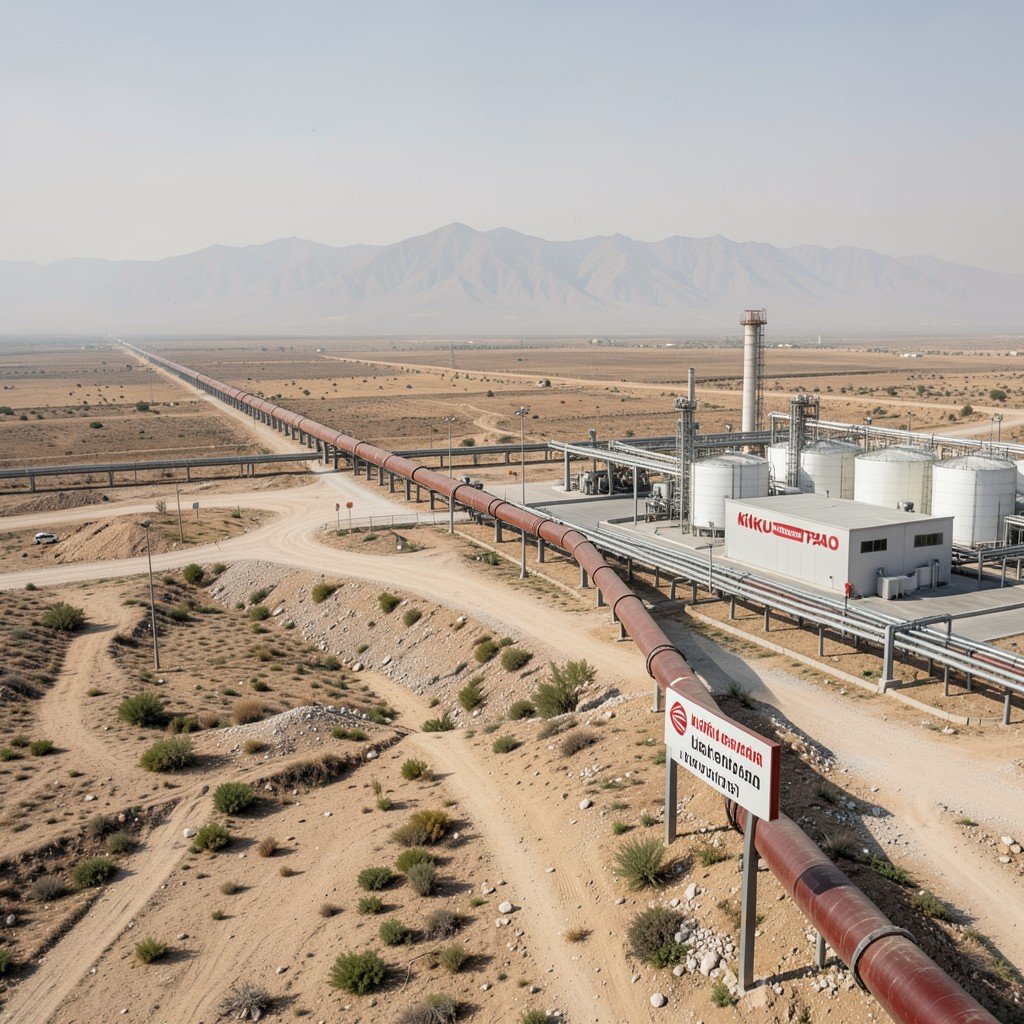
ISLAMABAD: Pakistan will introduce an optional multi-tariff time-of-use (ToU) pricing mechanism for industrial electricity consumers, aiming to optimise grid utilisation through time-based price signals, according to an official statement from the Power Division on Wednesday.

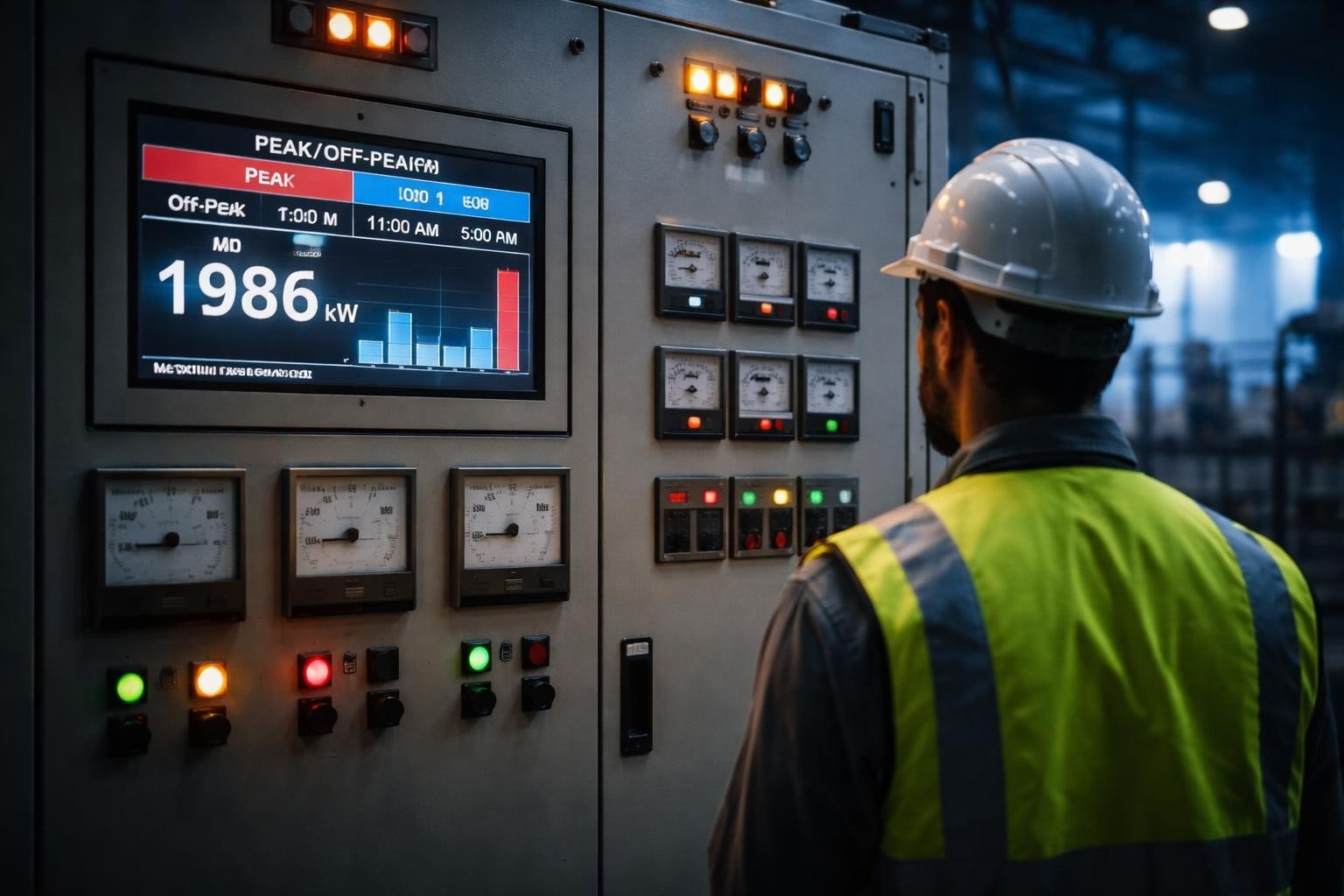
The Power Division said the proposed time-of-use tariff would allow industries to opt into a multi-slab pricing structure linked to defined ToU periods. The stated goals include improving load management, encouraging off-peak consumption, easing peak demand pressure on the grid and supporting industrial competitiveness through more predictable — and potentially lower — energy costs.

Key developments

  • The Power Division said it is considering a new optional time-of-use tariff designed to facilitate industrial consumers and improve efficiency in electricity utilisation.

  • Under the proposed framework, industrial consumers could choose a multi-slab tariff in which energy pricing is based on average marginal cost signals across defined ToU slabs, to better reflect supply costs during different periods.

  • The tariff would have two primary components — fixed charges and variable energy charges — aligned with the existing tariff structure.

  • Fixed charges would be determined on the basis of Maximum Demand Indicators (MDI) and are expected to be relatively higher, which the division said is intended to incentivise consumers to optimise and reduce peak demand.

  • Variable energy charges would be “significantly rationalised” and aligned closer to actual energy costs to enable more cost-reflective pricing.


Context and background

The Power Division said Power Minister Sardar Awais Khan Leghari has held several internal consultative and technical meetings on the proposed mechanism. The division framed the reform as part of broader efforts to better align industrial consumption patterns with system costs across different times of day.

Details and evidence

  • The division said the structure is expected to encourage efficient load management by enabling industries to shift operations to lower-cost periods.

  • It is also expected to promote higher off-peak consumption, improving the system load factor.

  • According to the Power Division, incentivising peak demand reduction could reduce grid stress and help minimise the need for costly capacity additions.

  • The division said the reform is expected to support industrial productivity and competitiveness through “more predictable and potentially lower” energy costs and to contribute to sustainable industrial growth and long-term economic development.

Current status and what happens next

The Power Division said the power minister has directed officials to ensure inclusivity and effectiveness through extensive stakeholder consultations. Consultations are to be held with industrial consumers, chambers of commerce and trade bodies across the country, and feedback will be incorporated to refine the optional ToU pricing mechanism.

MORE LIKE THIS

Comments (0)

Leave a comment

A verified Gmail account is required to post comments.

No comments yet. Be the first to share your thoughts!