

Persian Gulf Energy Disruption Sends Oil Prices Surging
business

Persian Gulf Energy Disruption Sends Oil Prices Surging

By Editorial TeamMar 25, 2026 · 10:45 AM4 min read
Editorial Team
Editorial Team

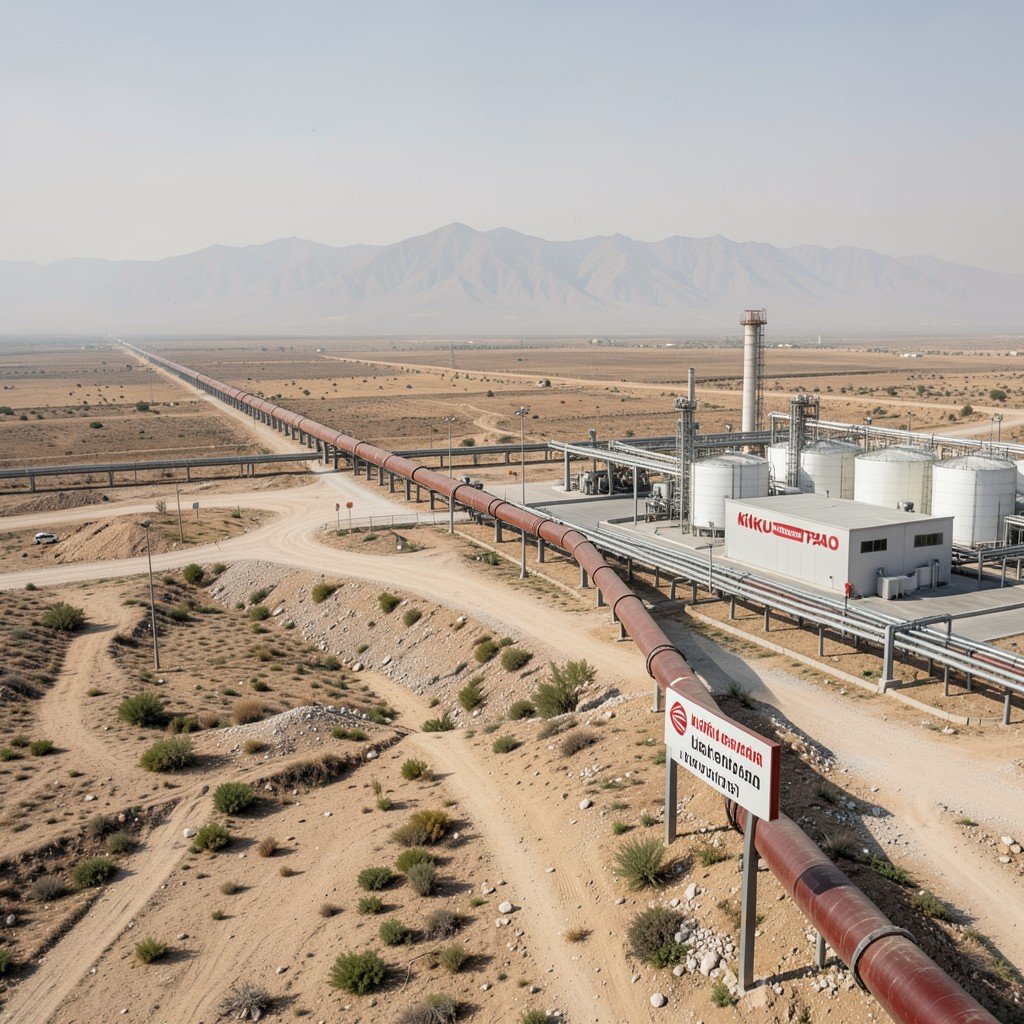
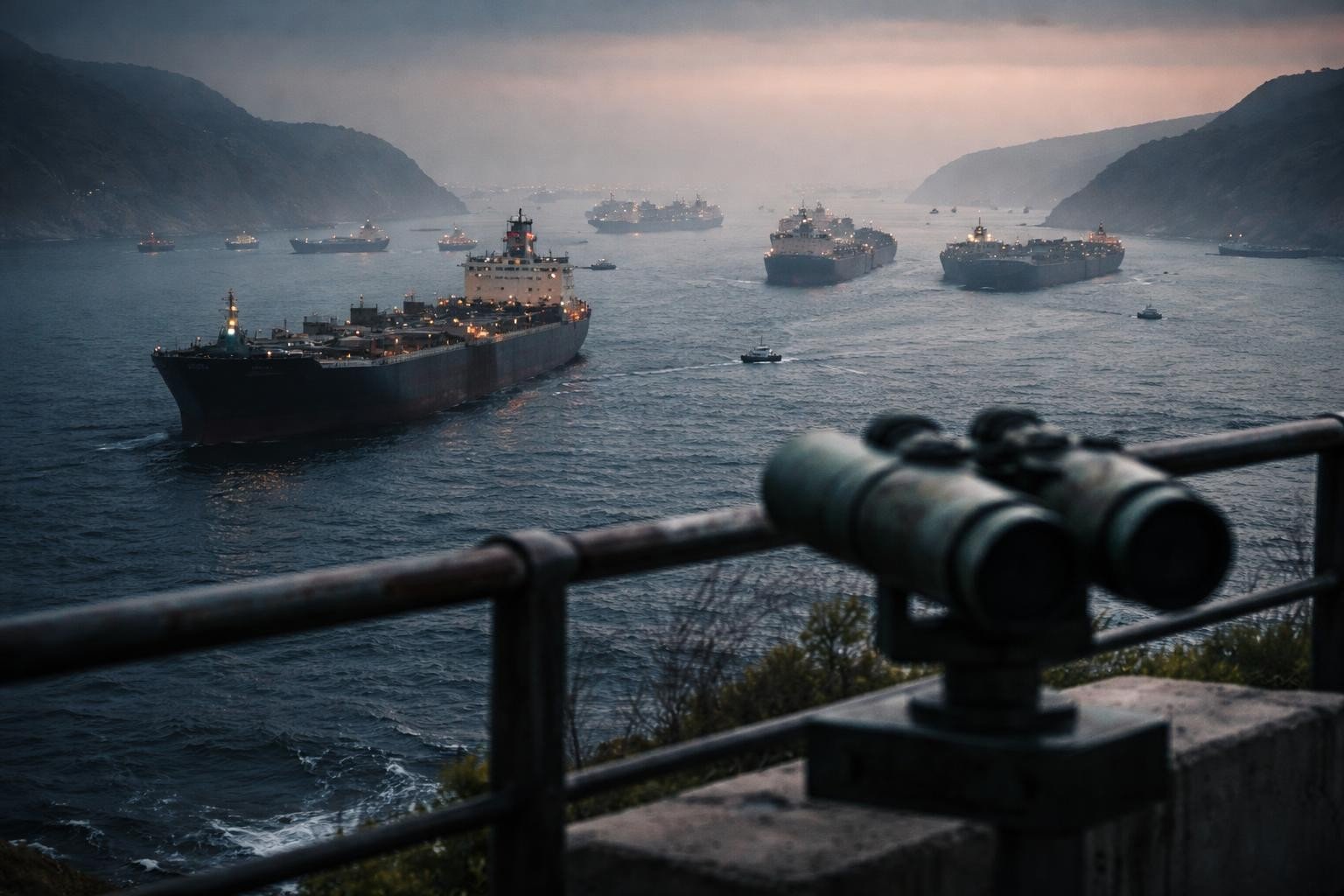
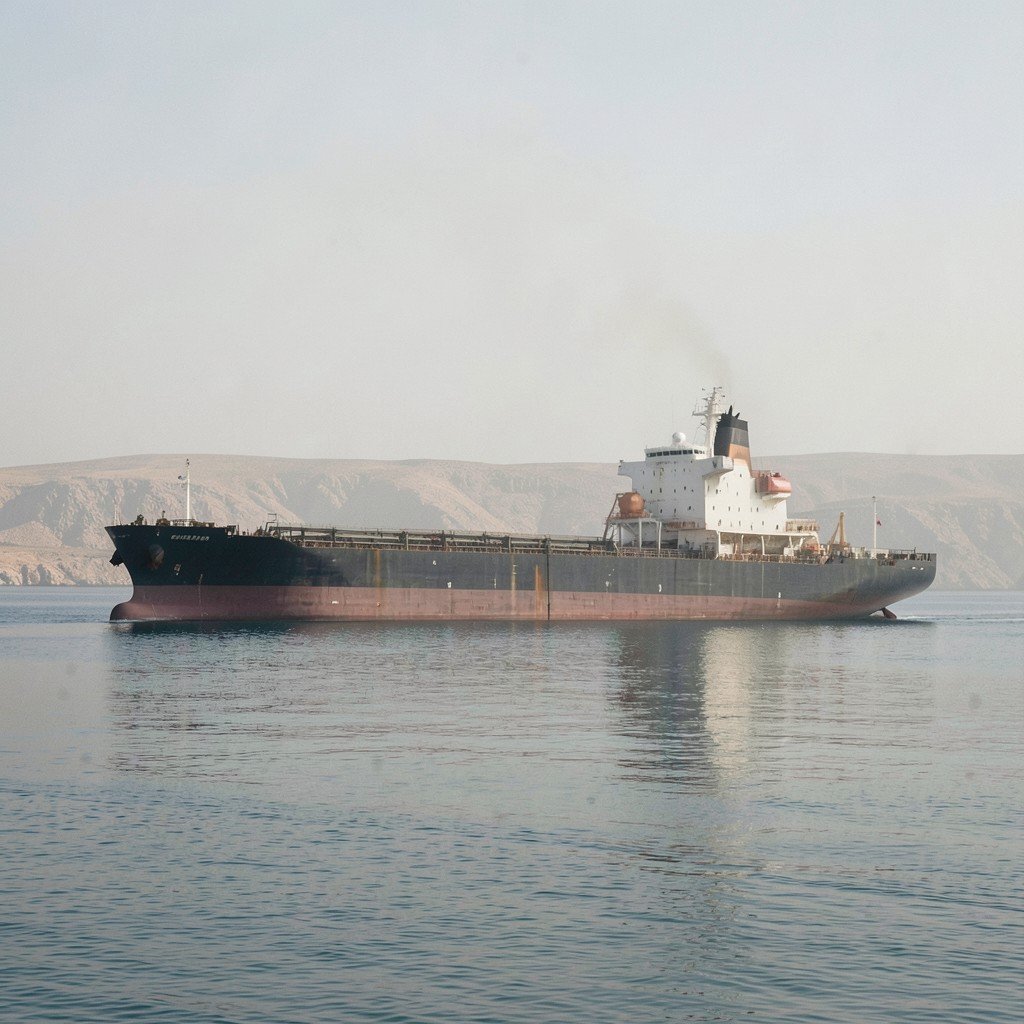
The war in the Middle East has halted much of the Persian Gulf’s oil and gas trade, pushing international energy prices sharply higher as Iran effectively blocks shipments through the Strait of Hormuz and forcing countries far beyond the region to confront sudden supply losses, according to a New York Times analysis published March 23, 2026.

The Persian Gulf supplies roughly one-fifth of the world’s energy needs, and the disruption has rapidly translated into higher prices for gasoline and jet fuel, plus knock-on effects for transport, household energy use and inflation-sensitive sectors worldwide—hitting hardest in countries most dependent on Gulf imports.

Key developments

  • Strait of Hormuz flows underpin Asia’s supply: In 2024, nearly 21 million barrels of oil a day moved through the Strait of Hormuz, and four-fifths of that supply went to Asia.
  • China’s exposure is significant: China has been the largest purchaser of Persian Gulf oil and gas, with more than a third of its total supply coming from the region.
  • South Asia and Southeast Asia report acute strains: Pakistan has considered a four-day workweek and remote school and work to preserve stockpiles. Thailand’s state-led fuel subsidy fund has fallen into a deficit this month.
  • India faces household impacts: India depends on the Middle East for about 40% of its oil imports and 80% of its gas; a shortage of cooking gas is squeezing households.
  • Air travel disruption spreads across Asia: Airlines running low on jet fuel have canceled thousands of flights, stranding travelers.
  • Europe is less exposed than Asia but faces compounding pressures: Europe has traditionally been less reliant on the Gulf and has shifted in recent years toward supplies from the United States and Norway after relying heavily on Russia for natural gas.
  • U.S. moves on Russian oil at sea: Facing soaring prices, the United States has temporarily lifted sanctions on Russian oil currently at sea in an effort to ease global supply; the European Union has not made similar moves.
  • Africa’s exposure varies, with some near-total reliance: Seychelles imported almost all its energy from Gulf states in 2024; Mauritius has had similar reliance, while Nigeria has traditionally imported relatively little fossil fuel from the Middle East.
  • Fertilizer is another pressure point: The Persian Gulf is a major fertilizer source; rising costs could raise food prices and increase fiscal burdens for some lower-income countries.
  • Americas feel price-driven shocks despite higher domestic output: Oil prices have risen to over $100 a barrel in recent weeks; U.S. gasoline prices have increased about $1 a gallon nationally since the war began, airlines have begun cutting flights, and mortgage rates have reached their highest level in three months.

Context and background

The New York Times analysis describes a global energy shock driven by disruptions in the Persian Gulf, a critical corridor for oil and gas shipments via the Strait of Hormuz. The report notes that Europe has faced repeated energy shocks in recent years, including those tied to Russia’s war with Ukraine and subsequent Western sanctions.

Russia is described as the world’s third-largest oil producer and second-largest gas producer, with sales of its energy products significantly restricted as its invasion of Ukraine continues.

The latest supply shock comes as European countries confront lackluster economic output and attempt to rebuild industrial capacity while competing with lower-cost Chinese exports, the report says.

Details and evidence

  • Scale of the chokepoint: Nearly 21 million barrels a day crossed the Strait of Hormuz in 2024, with Asia taking the majority share.
  • Import dependence examples: China draws more than a third of its supply from the Persian Gulf; India relies on the Middle East for roughly 40% of oil imports and 80% of gas.
  • Real-economy impacts: The report cites measures and effects including proposed workweek reductions in Pakistan, a deficit in Thailand’s fuel-subsidy fund, and cooking gas shortages affecting Indian households.
  • Transport disruptions: Thousands of flight cancellations across Asia are linked to jet-fuel scarcity.
  • Broader commodity linkages: The Persian Gulf’s role in fertilizer production increases the risk of higher agricultural input costs and food-price pressure, particularly in South Asia and sub-Saharan Africa.
  • U.S. price indicators: Oil prices topping $100 a barrel have coincided with a roughly $1-per-gallon rise in U.S. gasoline prices since the war began, airline capacity cuts, and higher mortgage rates amid renewed inflation concerns.

Current status / What happens next

The report describes the energy crisis as ongoing, with Iran effectively blocking shipments from the Persian Gulf and oil and gas prices elevated. Economists cited by the Times warn that if the war drags on or prices continue to rise, the damage will likely increase.

In the United States, the White House has insisted it does not need Middle Eastern oil and is increasingly attempting to use military force to stop Iran’s blockade, while also temporarily lifting sanctions on Russian oil currently at sea to help ease global supply, according to the report. The European Union has not taken a similar sanctions step.

MORE LIKE THIS

Comments (0)

Leave a comment

A verified Gmail account is required to post comments.

No comments yet. Be the first to share your thoughts!