


Trump Iran Talks Begin Monday After Largest Planned Strike Halted
news

Trump Iran Talks Begin Monday After Largest Planned Strike Halted

By Editorial TeamAug 3, 2026 · 6:47 AM4 min read
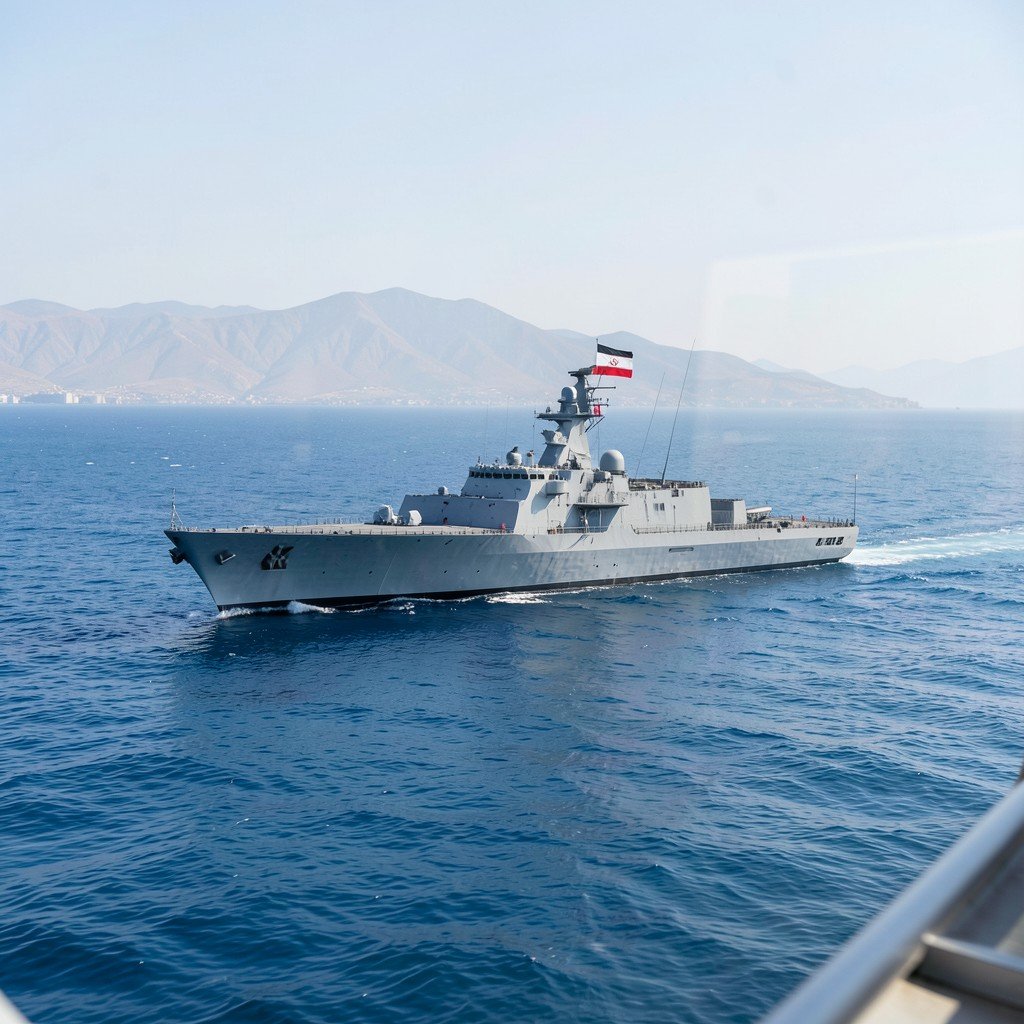
AI-generated representative image. A diplomatic negotiation room overlooks the Strait of Hormuz ahead of scheduled US-Iran talks on Monday.
Editorial Team
Editorial Team
Diplomacy gains ground as Gulf allies push for negotiations over the nuclear file and oil markets react to easing Strait of Hormuz tensions.

United States President Donald Trump announced Sunday that negotiations with Iran are scheduled to begin Monday afternoon, after he decided to halt a planned massive military strike that he described as "the biggest attack since World War II."

Speaking to reporters aboard Air Force One, Trump confirmed that a military plan had been assembled but was set aside to give diplomacy an opportunity, following direct appeals from Iran and Gulf allies including Saudi Arabia, the United Arab Emirates and Qatar.

The sudden pivot from military escalation to negotiation marks a significant shift in the US-Iran conflict that has raged since February 28, when the US and Israel launched surprise strikes against Tehran. The diplomatic opening carries immediate economic consequences, with oil prices dropping sharply as fears of further disruption to Gulf energy supplies eased.

Diplomatic Breakthrough

Trump revealed that the planned attack had been visibly forming and that Iranian officials were aware of its scale. "Obviously, they don't want to be attacked. They knew the extent of the attack because they saw it forming," he said. "Now what we're doing is talking to them in the form of a negotiation. It begins tomorrow afternoon."

The president provided no details regarding the venue or participants for Monday's talks. He indicated the negotiations would address two separate tracks: an agreement concerning the Strait of Hormuz and a subsequent deal on what he termed "the denuclearisation of Iran."

Trump credited Gulf allies for urging restraint, noting that Saudi Arabia's Crown Prince Mohammed bin Salman had specifically warned against strikes due to potential unintended consequences, including the risk of displaced populations flooding into neighboring countries.
Conflict Timeline

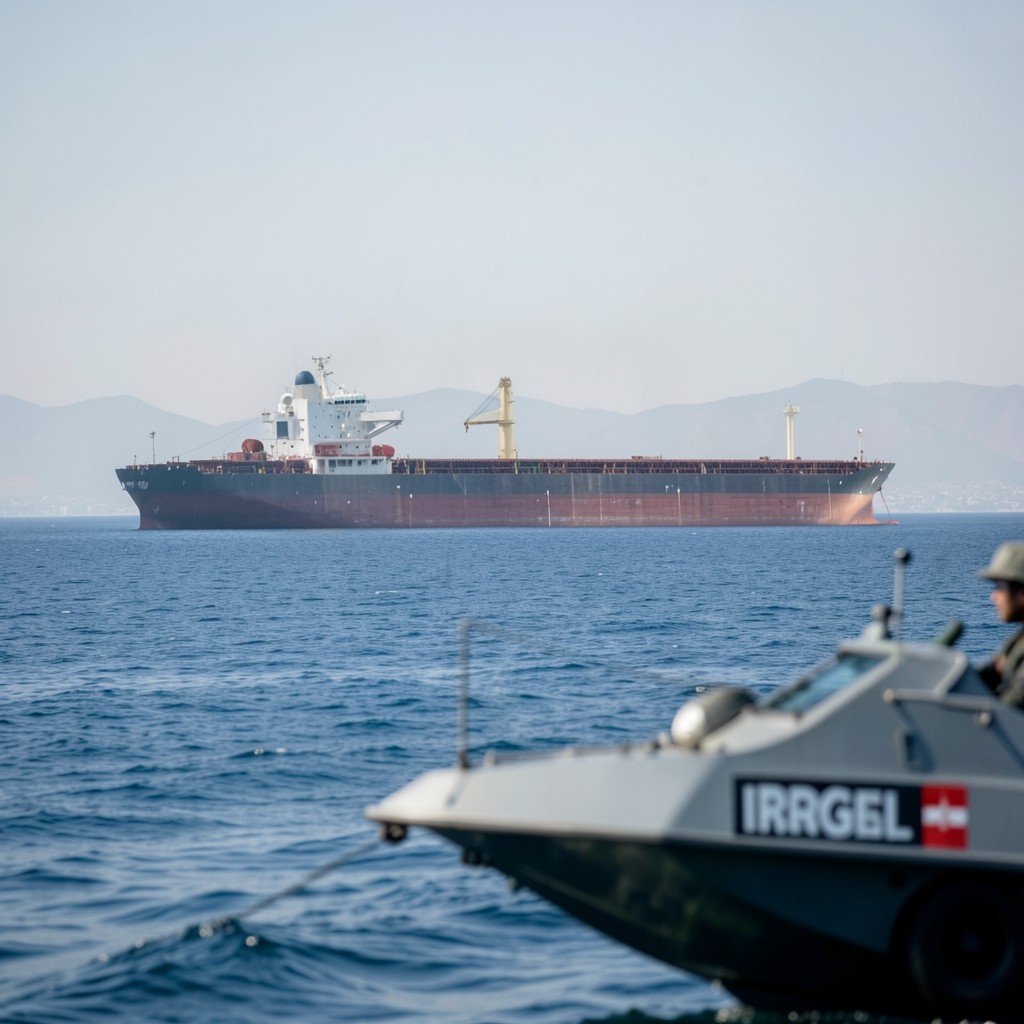
The war began on February 28 when the US and Israel launched surprise strikes against Iran. Months of intermittent diplomacy have since produced periods of relative calm, though a previous ceasefire deal that included reopening the Strait of Hormuz ultimately collapsed. In recent weeks, Iran tightened its control over the strategically vital waterway as both countries resumed attacks against each other.

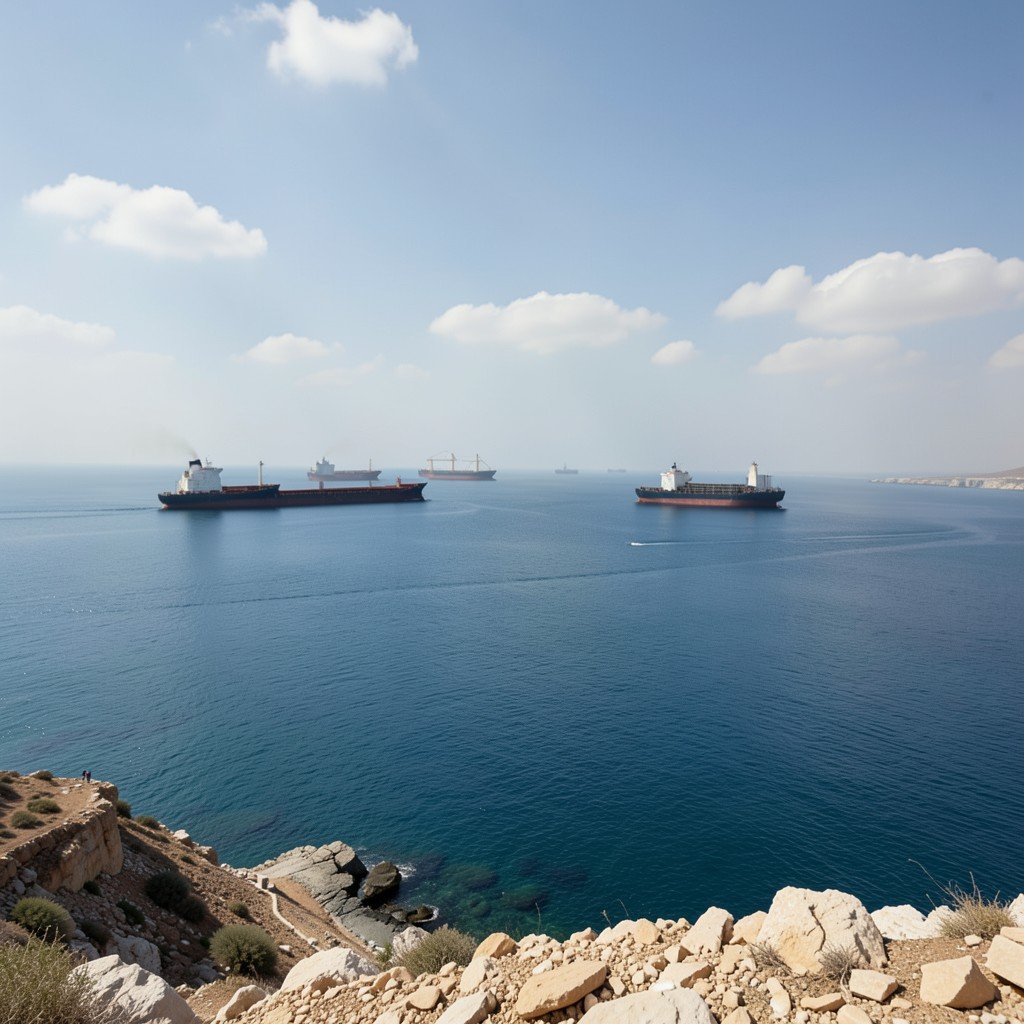
The Strait of Hormuz remains a critical choke point for global energy supplies, and its status has been a central point of contention throughout the conflict. Separate negotiations between Tehran and Oman over the strait are reportedly in their final stages, according to Iran's official news agency IRNA, though Iranian Foreign Ministry spokesperson Esmaeil Baghaei clarified those discussions focus on agreeing to a new route through the strait and have "no link to the Strait of Hormuz being opened or closed."

Regional Diplomatic Activity

Trump's announcement followed intensified regional diplomacy. Iranian Foreign Minister Abbas Araghchi held a second phone call with Saudi Foreign Minister Prince Faisal bin Farhan Al Saud, joined by Pakistani Army Commander Asim Munir. According to Araghchi's Telegram post, the officials discussed "initiatives aimed at maintaining and strengthening security and stability" in West Asia and stressed the importance of regional cooperation and political solutions.

On the economic front, oil markets responded swiftly to the de-escalation. Brent futures dropped $4.08, or 4.64 percent, to $83.85 a barrel on Sunday, while West Texas Intermediate lost $4.01, or 4.74 percent, trading at $80.66. The decline partially reversed last month's surge of more than 20 percent, which had been driven by renewed US-Iran fighting and attacks on commercial vessels near Oman.

What Comes Next

Negotiations are set to begin Monday afternoon, though the location and participating parties remain undisclosed. The talks are expected to address both the Strait of Hormuz situation and Iran's nuclear program. Meanwhile, Iran's parallel negotiations with Oman over the strait are reportedly nearing conclusion, and regional diplomatic channels remain active as Gulf states continue to advocate for a political resolution to the months-long conflict.

MORE LIKE THIS

Comments (0)

Leave a comment

A verified Gmail account is required to post comments.

No comments yet. Be the first to share your thoughts!