

Iraqi PM Al-Zaidi Visits Turkiye for Oil Pipeline and Security Talks
news

Iraqi PM Al-Zaidi Visits Turkiye for Oil Pipeline and Security Talks

By Editorial TeamJul 28, 2026 · 6:49 PM4 min read
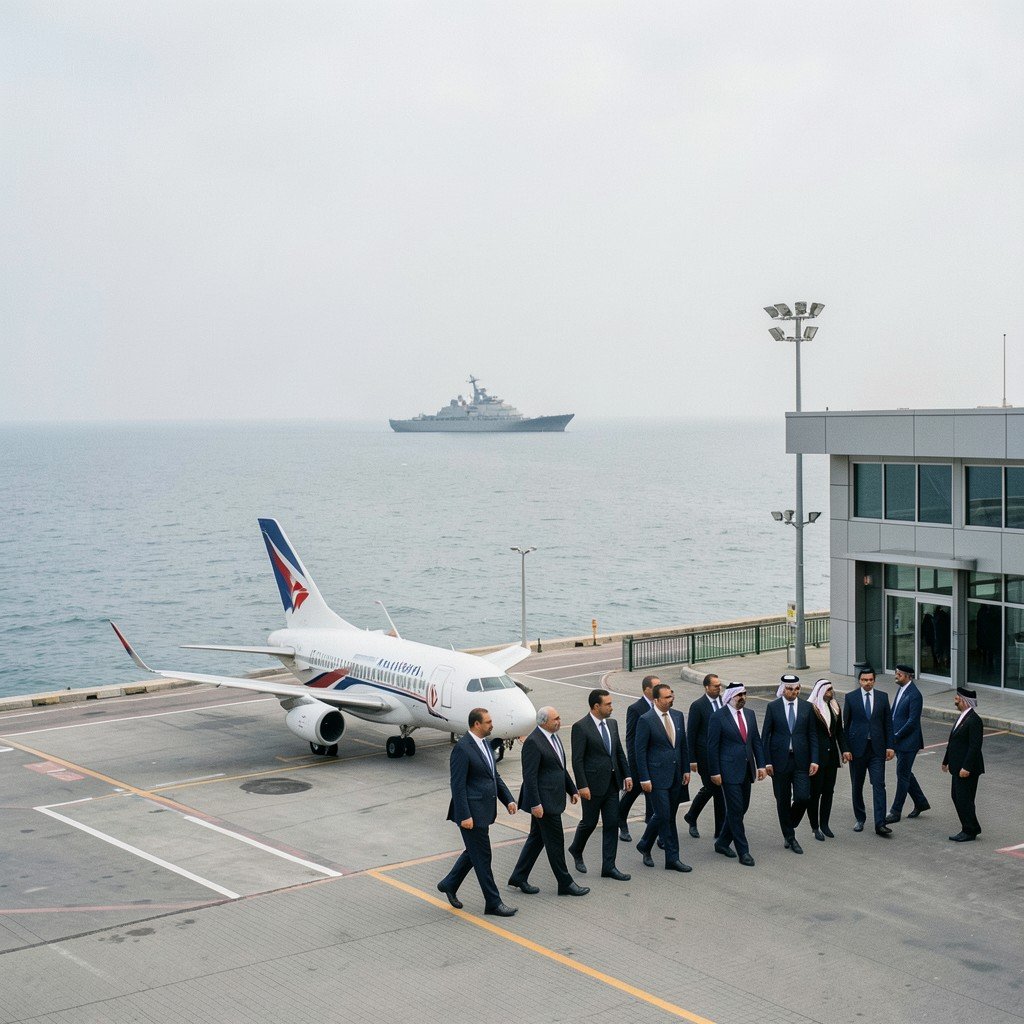
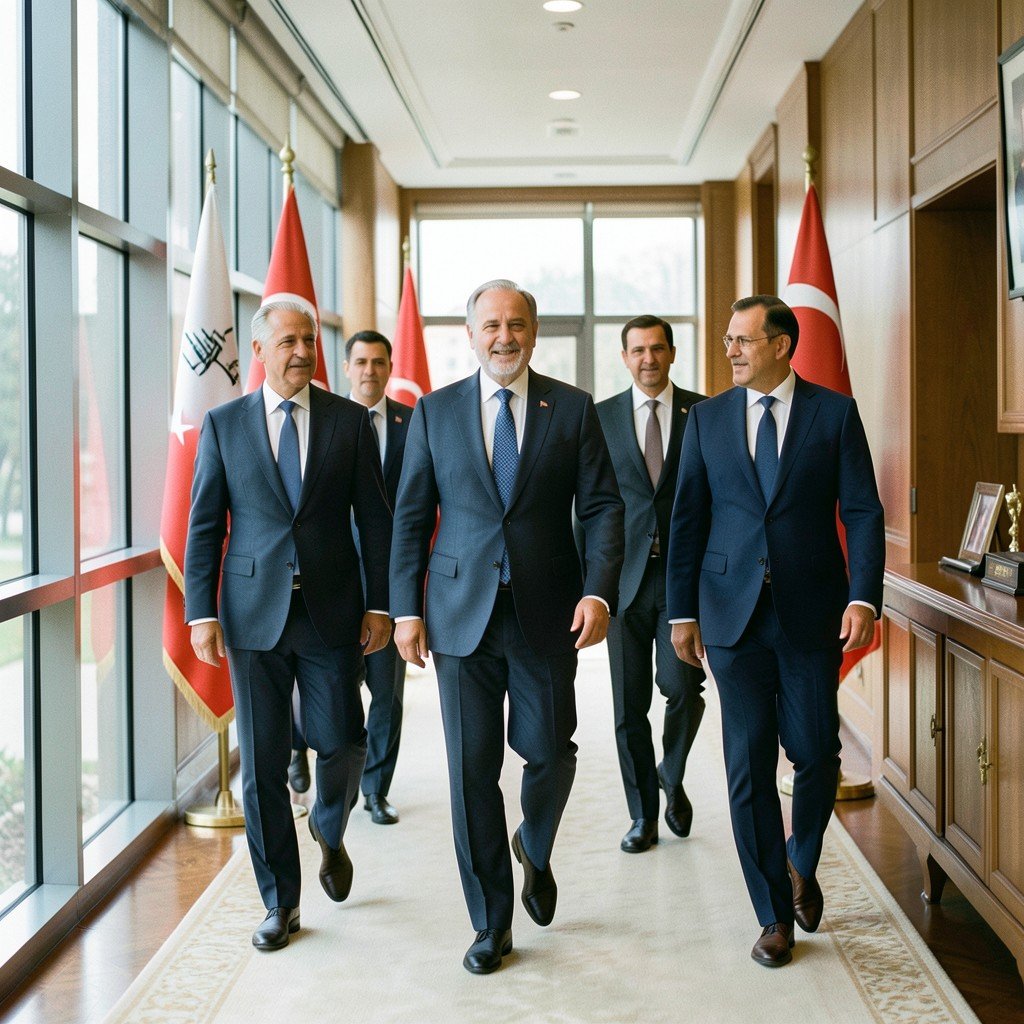
AI-generated representative image. Iraqi PM Ali al-Zaidi during an official visit to Turkiye for talks on oil pipeline, security and water cooperation.
Editorial Team
Editorial Team
First official Ankara visit focuses on resuming crude exports via the Iraq-Turkiye pipeline, water disputes, and PKK military presence amid Strait of Hormuz crisis

Iraqi Prime Minister Ali al-Zaidi arrived in Turkiye on Tuesday leading a high-level delegation for his first official visit to the neighbouring country since taking office in May. The talks will centre on strategic cooperation across security, water and economic fronts, government spokesman Haider al-Aboudi confirmed.

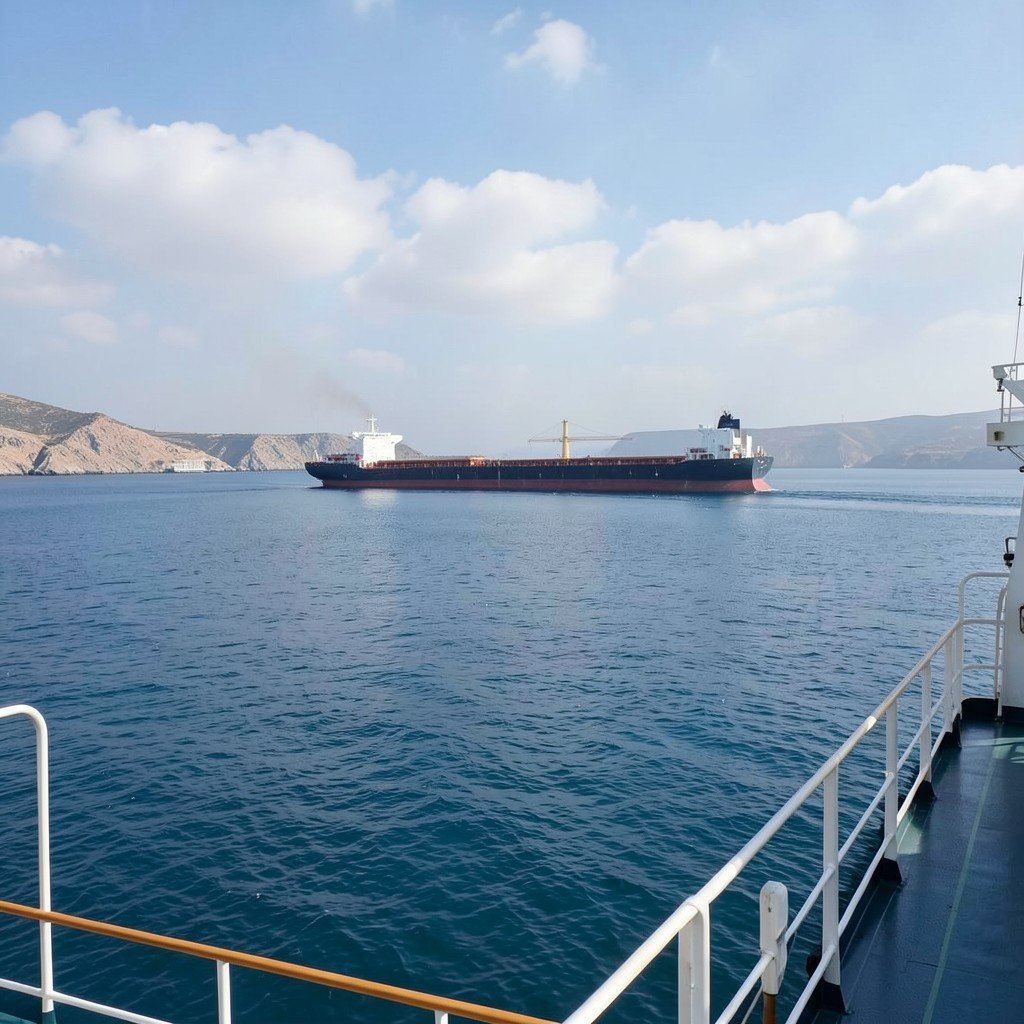
The visit comes at a critical juncture as Iraq scrambles to secure alternative oil export routes following the February closure of the Strait of Hormuz, triggered by the US-Israel war on Iran. Baghdad is pressing Ankara to resume and expand crude exports through the long-suspended Iraqi-Turkiye pipeline.

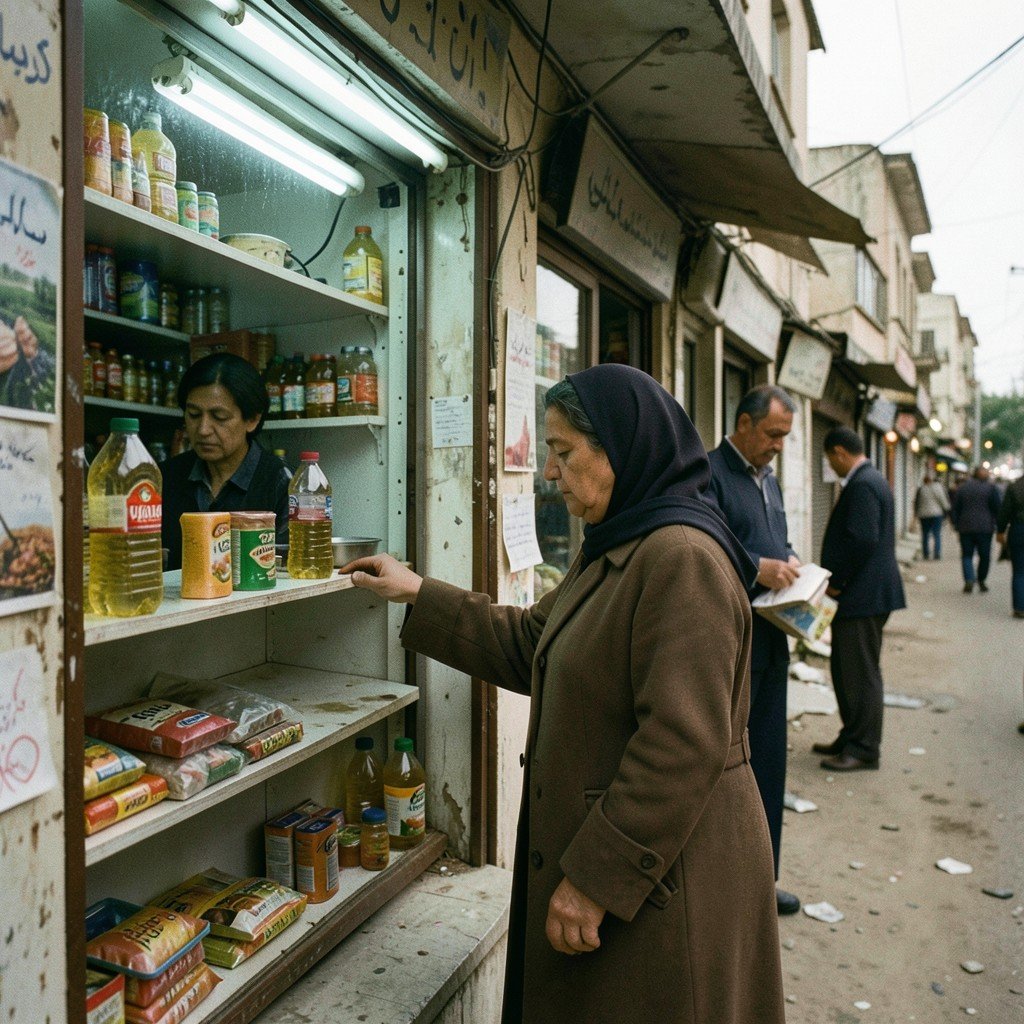
The stakes for Baghdad could hardly be higher. With the Strait of Hormuz no longer meeting Iraq's export needs, the country faces an urgent imperative to open new corridors to global markets. Turkiye has emerged as an indispensable transit partner, but the path to deeper cooperation is littered with difficult negotiations over pipeline fees, long-standing water grievances and the sensitive presence of Turkish troops on Iraqi soil.

Critical Agenda Items

A technical delegation from Iraq's Ministry of Oil arrived in Ankara late last week to finalise a one-year extension of the existing oil-exporting agreement, which expired on Monday. However, a ministry source speaking on condition of anonymity described Turkiye's terms for a new deal as extremely difficult for Iraq to accept.

Turkiye is reportedly seeking to raise the transit fee from $1.35 per barrel to $7 and is demanding a minimum export capacity of 1.5 million barrels per day regardless of whether Iraq can meet that volume. The source indicated that only the Iraqi council of ministers could authorise such concessions.

Beyond oil, al-Zaidi aims to advance the Development Route, a 1,200-kilometre rail and highway network linking the southern al-Fao port to the Iraq-Turkiye-Syria border triangle across 10 provinces. Water management and the ongoing Turkish military presence in northern Iraq also feature prominently on the agenda.
Shifting Regional Dynamics

Iraqi-Turkish relations have fluctuated over the past decade but have consistently remained a priority for both sides, particularly concerning oil and water resources. The closure of the Strait of Hormuz in February dramatically elevated Ankara's strategic importance for Baghdad, forcing Iraqi officials to accelerate efforts to diversify export routes.

Earlier this month, al-Zaidi secured energy deals estimated at $200 billion with US companies during a visit to Washington. Iraqi Oil Minister Basim Khudair stressed the urgency, stating there is an immediate need to find export outlets away from the Strait of Hormuz and to shorten negotiation timelines for establishing new corridors.

The Development Route project, once viewed as a flagship Iraqi infrastructure initiative, has faced setbacks. Political science professor Abd al-Jabar Ahmad noted that continued armed group attacks have effectively derailed progress, while a competing Turkish-backed transport corridor linking Turkiye to Jordan through Syria and Saudi Arabia has stripped the Iraqi project of much of its economic appeal.

Water and Security Frictions

Water remains a persistent source of tension. Iraq holds Turkiye responsible for dam construction that has reduced the flow of the Tigris and Euphrates rivers, both originating in Turkish territory. A government source described the issue as one that affects the future of millions of Iraqis.

The most sensitive matter involves Turkish military deployments. Estimates indicate Turkiye maintains approximately 50 bases across the Iraqi provinces of Erbil, Duhok and Nineveh, hosting around 5,000 soldiers equipped with artillery, armoured vehicles and heavy weaponry. These forces target the Kurdistan Workers' Party (PKK), designated a terrorist organisation by Turkiye, the United States and the European Union.

In mid-2025, the PKK announced initial steps toward disarmament under a peace deal aimed at ending a four-decade conflict that has claimed more than 40,000 lives. Despite this, Ankara continues to view the group's presence in mountainous northern Iraq as a national security threat.

Outlook for the Talks

Political science professor Issam al-Faily noted there is strong Iraqi support for deepening ties with Turkiye, particularly given its role as a transit hub for oil exports to Europe. However, he cautioned that covert Turkish-Iranian rivalry within Iraq's political landscape could hinder al-Zaidi's ambitions, adding that the prime minister must carefully balance these competing pressures for the visit to succeed.

MORE LIKE THIS

Comments (0)

Leave a comment

A verified Gmail account is required to post comments.

No comments yet. Be the first to share your thoughts!