


Uganda Declared Ebola-Free After 42-Day Surveillance Period Ends
news

Uganda Declared Ebola-Free After 42-Day Surveillance Period Ends

By Editorial TeamJul 28, 2026 · 6:50 PM3 min read
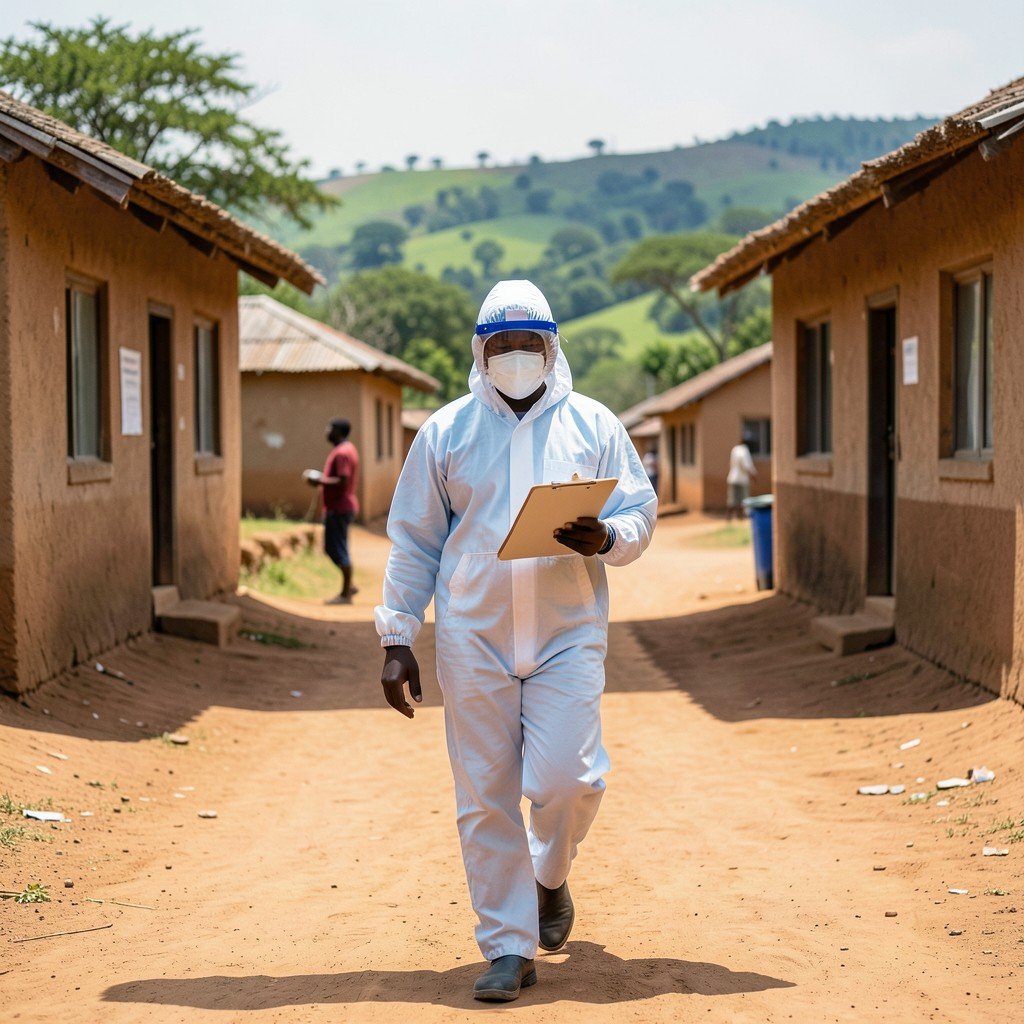
AI-generated representative image. Uganda has been declared Ebola-free after completing the WHO-mandated 42-day surveillance period with no new cases detected.
Editorial Team
Editorial Team
Health Minister Chris Baryomunsi confirms 18 recoveries among 20 cases, as DRC battles a Bundibugyo strain epidemic across the border.

Uganda has officially been declared free of Ebola following the successful completion of a mandatory 42-day monitoring period with no new infections detected, Health Minister Chris Baryomunsi announced on Tuesday.

The declaration comes after the discharge of the last locally transmitted patient on June 16, 2026. The outbreak recorded 20 confirmed cases: 18 patients recovered and were discharged, while two individuals from the neighbouring Democratic Republic of the Congo (DRC) died.

The milestone marks a significant public health achievement for Uganda, but the regional threat remains acute. The DRC continues to battle a much larger and rapidly accelerating outbreak that the World Health Organization (WHO) has described as the fastest-spreading Ebola epidemic ever recorded.

Cross-border vigilance remains essential given the ongoing crisis just across Uganda's western frontier, where thousands of infections have already been documented.

Outbreak Resolution and Official Response

Health Minister Baryomunsi confirmed that the Ministry of Health maintained intensive surveillance nationwide throughout the 42-day monitoring window, a standard benchmark set by the WHO for declaring an Ebola outbreak over. No new cases were detected during this period.

Despite the formal declaration, Baryomunsi urged Ugandans in a subsequent social media statement to "remain alert" and continue observing public health measures. The caution reflects the ongoing crisis in the DRC, where the outbreak has been underway since mid-May and shows no signs of abating.
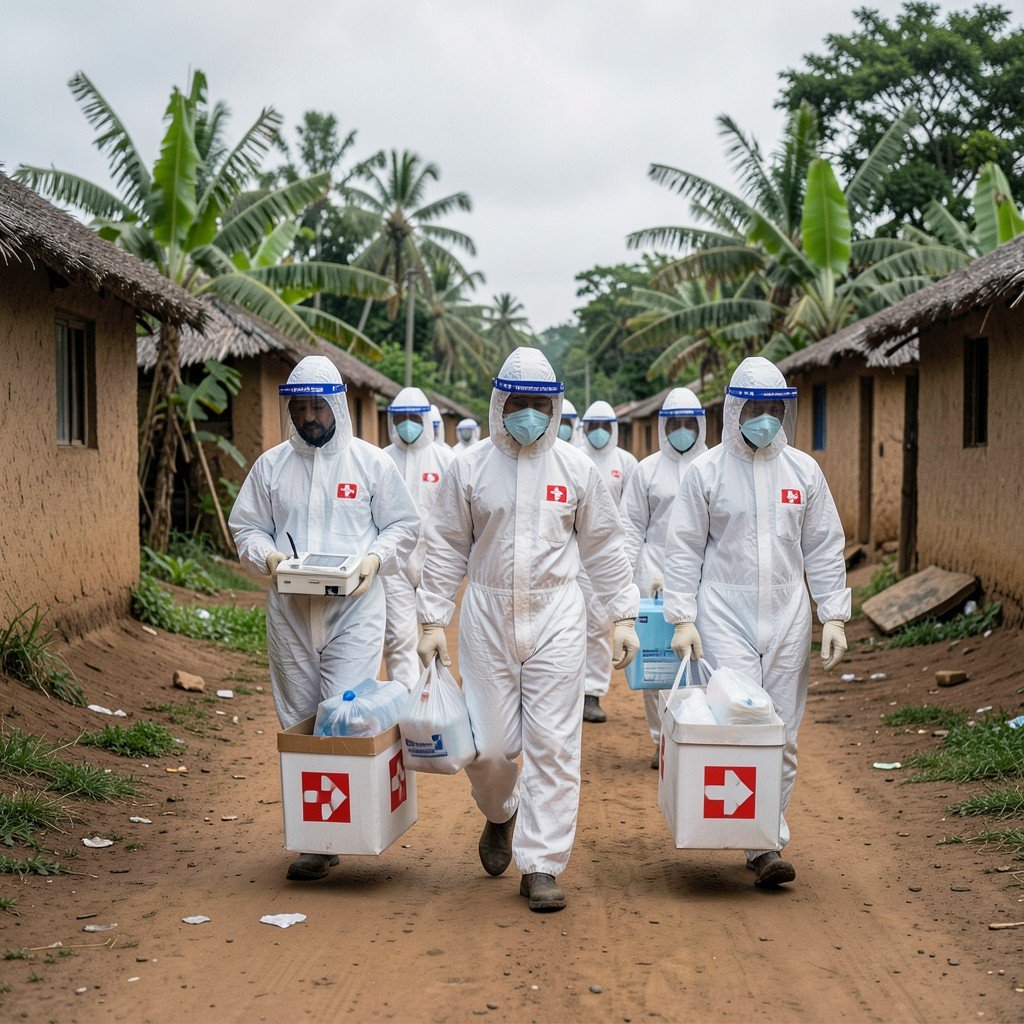
The DRC Outbreak in Perspective

According to the Congolese Ministry of Health, the DRC has recorded at least 3,262 infections and 1,437 deaths. The fatality count now approaches that of the 2018-2020 outbreak, which remains the largest Ebola epidemic ever recorded in the country.

The WHO has warned that the true scale of the current outbreak may be two to four times larger than officially reported figures, citing challenges in surveillance, reporting delays, and limited access to affected areas. This uncertainty underscores the difficulty of containing the virus in regions with strained health infrastructure.

Virus Strain and Treatment Challenges

The strain circulating in the DRC has been identified as Bundibugyo, the rarest of the four Ebola variants known to affect humans. Unlike the more common Zaire strain, Bundibugyo currently has no approved vaccines or treatments, severely complicating containment and clinical response efforts.

Ebola is a viral haemorrhagic disease that causes fever, vomiting, diarrhoea and internal bleeding. It spreads through direct contact with the bodily fluids of infected individuals, whether symptomatic or deceased. The absence of licensed medical countermeasures for the Bundibugyo strain makes traditional public health interventions such as contact tracing, isolation and safe burial practices even more critical.

What Lies Ahead

With Uganda now officially Ebola-free, health authorities are expected to maintain border surveillance and preparedness measures to prevent reintroduction of the virus from the DRC. The Ministry of Health has not announced any relaxation of screening protocols at points of entry.

In the DRC, the outbreak remains active and uncontrolled, with international health agencies continuing to scale up response operations despite the lack of approved vaccines for the Bundibugyo strain. The WHO and partner organizations are expected to provide updated guidance as the epidemiological situation evolves.

MORE LIKE THIS

Comments (0)

Leave a comment

A verified Gmail account is required to post comments.

No comments yet. Be the first to share your thoughts!