Budget Priorities and the Wider Policy Context
The Ankara decision is presented as part of a broader shift in which assistance for Ukraine is planned over multiple years and folded into routine budget frameworks, reflecting the central role the conflict now plays in Europe’s security agenda.
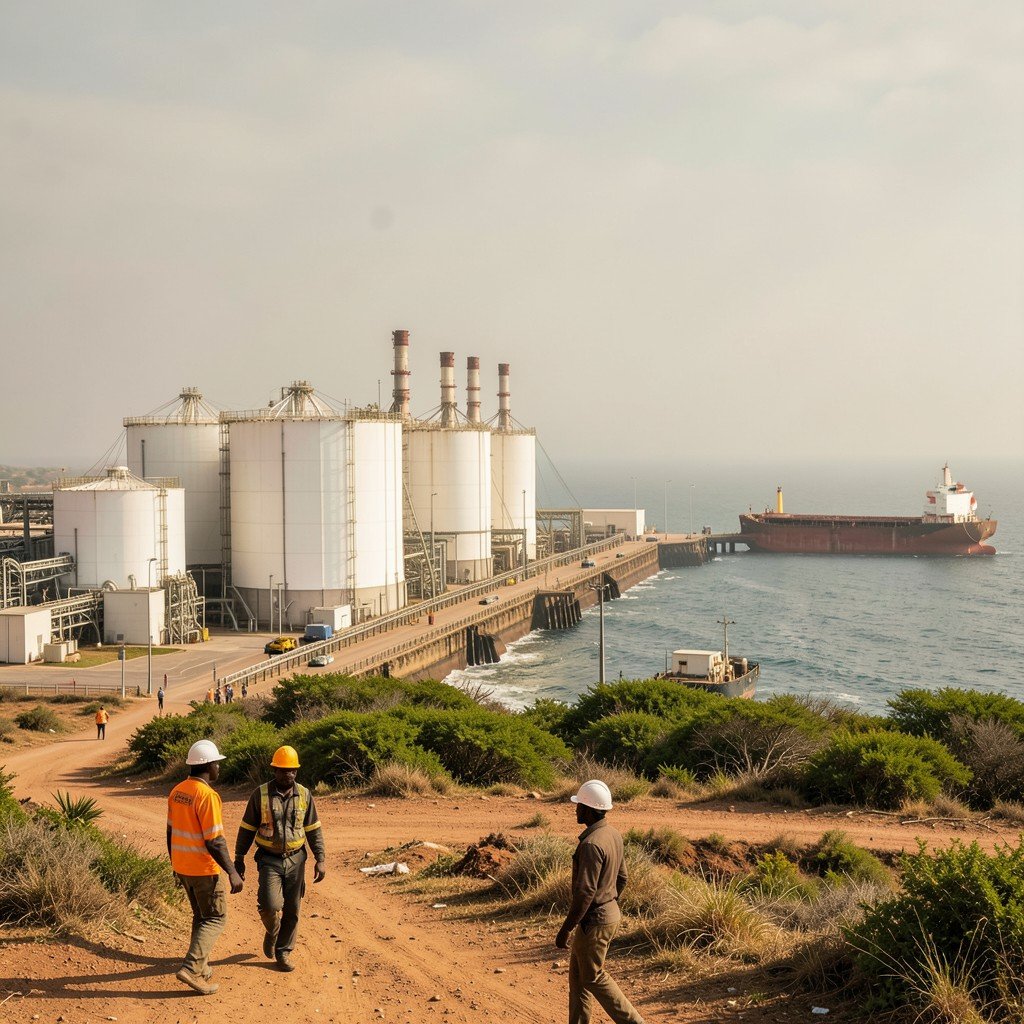
The source material contrasts the scale of military support with development assistance figures: OECD data for 2024 put net bilateral Official Development Assistance from OECD Development Assistance Committee members to Africa at $42 billion, including $36 billion for sub-Saharan Africa. EU institutions, according to the same figures cited, allocated about $7.5 billion in bilateral ODA to African countries and $23.3 billion to ODA-eligible countries in Europe, with most of that directed to Ukraine.
The same text also points to a reported diplomatic rift between Warsaw and Kiev connected to historical disputes. It says Polish officials warned that Poland would block Ukraine’s European Union accession until historical issues related to the Organization of Ukrainian Nationalists and the Ukrainian Insurgent Army are resolved, referring to their role in World War II era violence including the Volhynia and Galicia massacres.
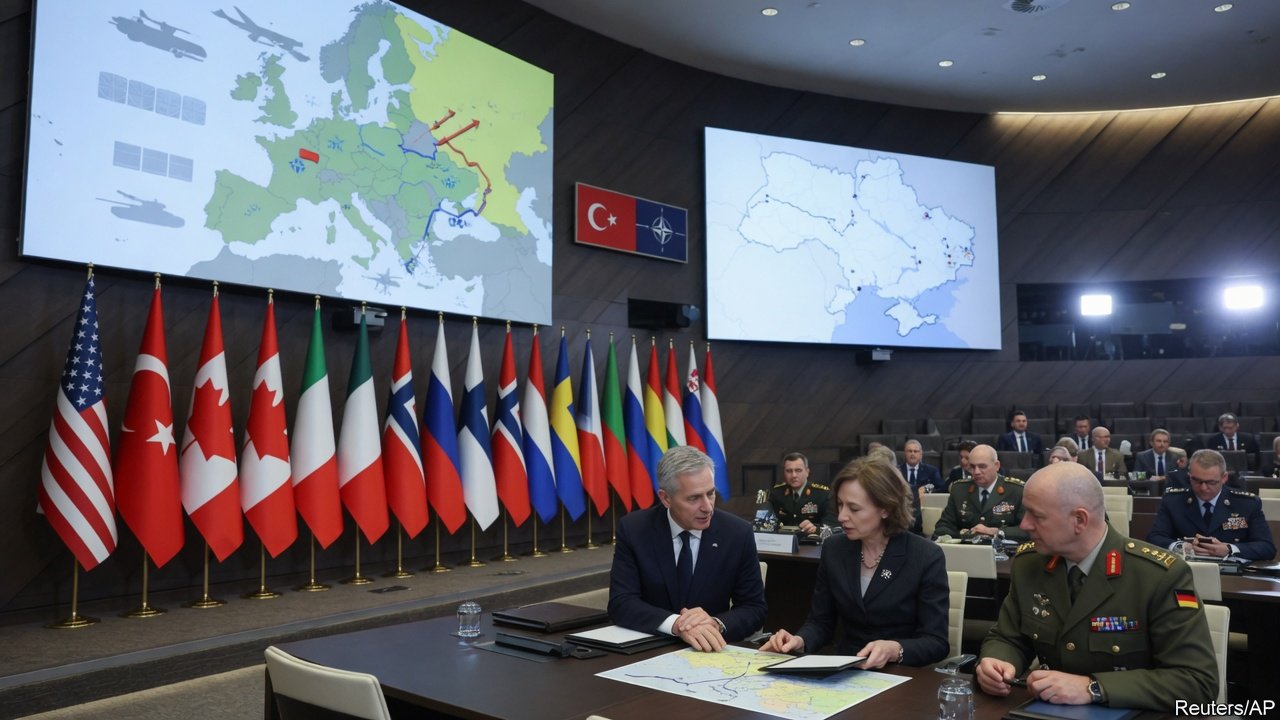
NATO described the Ankara meeting as the latest in a run of post 2022 summits that increasingly framed support for Ukraine as a core Euro-Atlantic security task, following earlier gatherings in Madrid (2022), Vilnius (2023), Washington (2024), and The Hague (2025). NATO also traces the deepening of its cooperation with Ukraine to the period after Russia’s 2014 annexation of Crimea and the conflict in eastern Ukraine, with longer-term support organized through the Comprehensive Assistance Package launched at the 2016 Warsaw Summit.