

Key developments
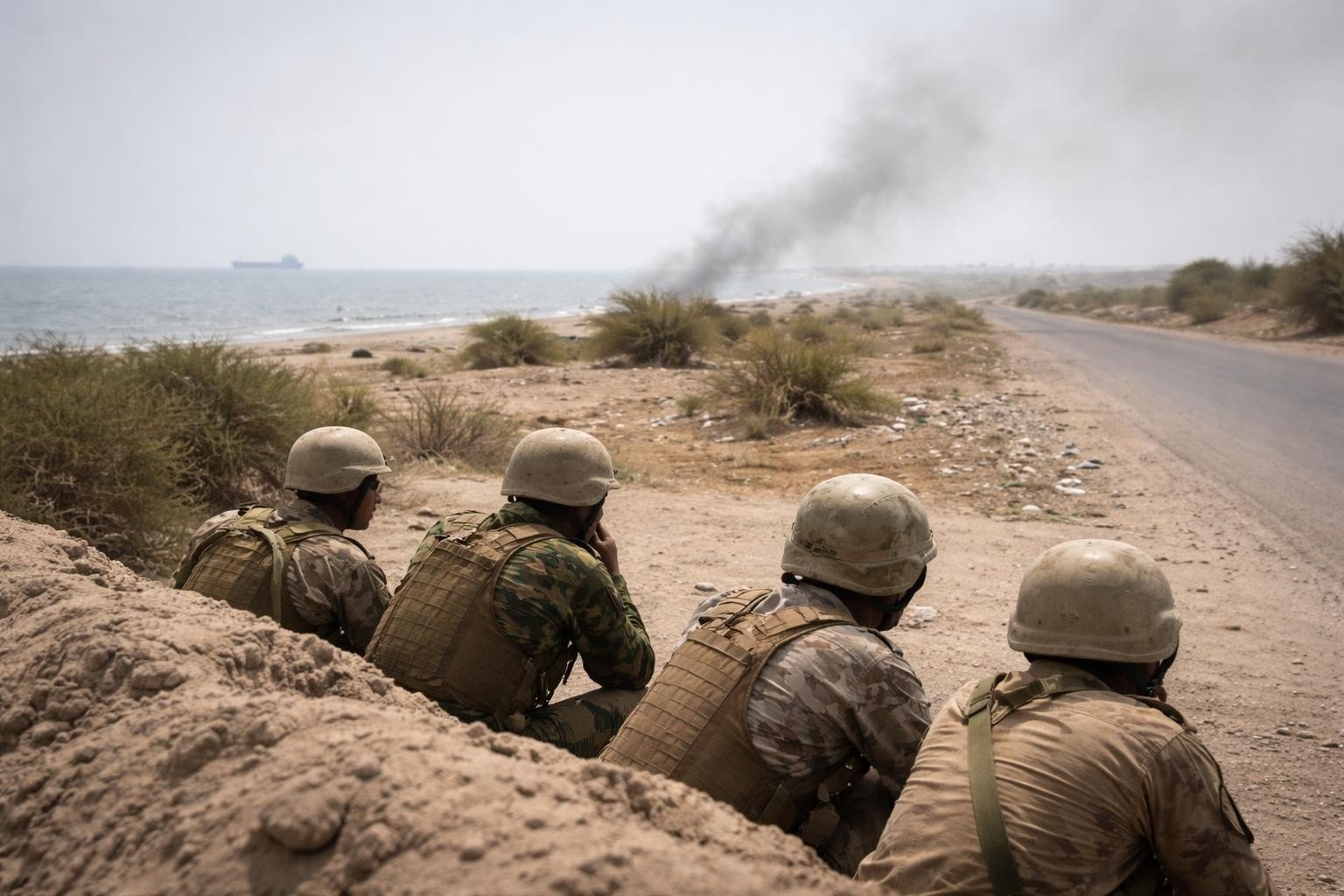
On July 5, Houthi forces attacked government positions in the Hays district of Hodeidah governorate using mortar shells, drones and sniper fire. Medical and military sources reported 16 government soldiers killed and 22 wounded; the Houthis did not publish their own casualty figures or a detailed account of how the clashes began.
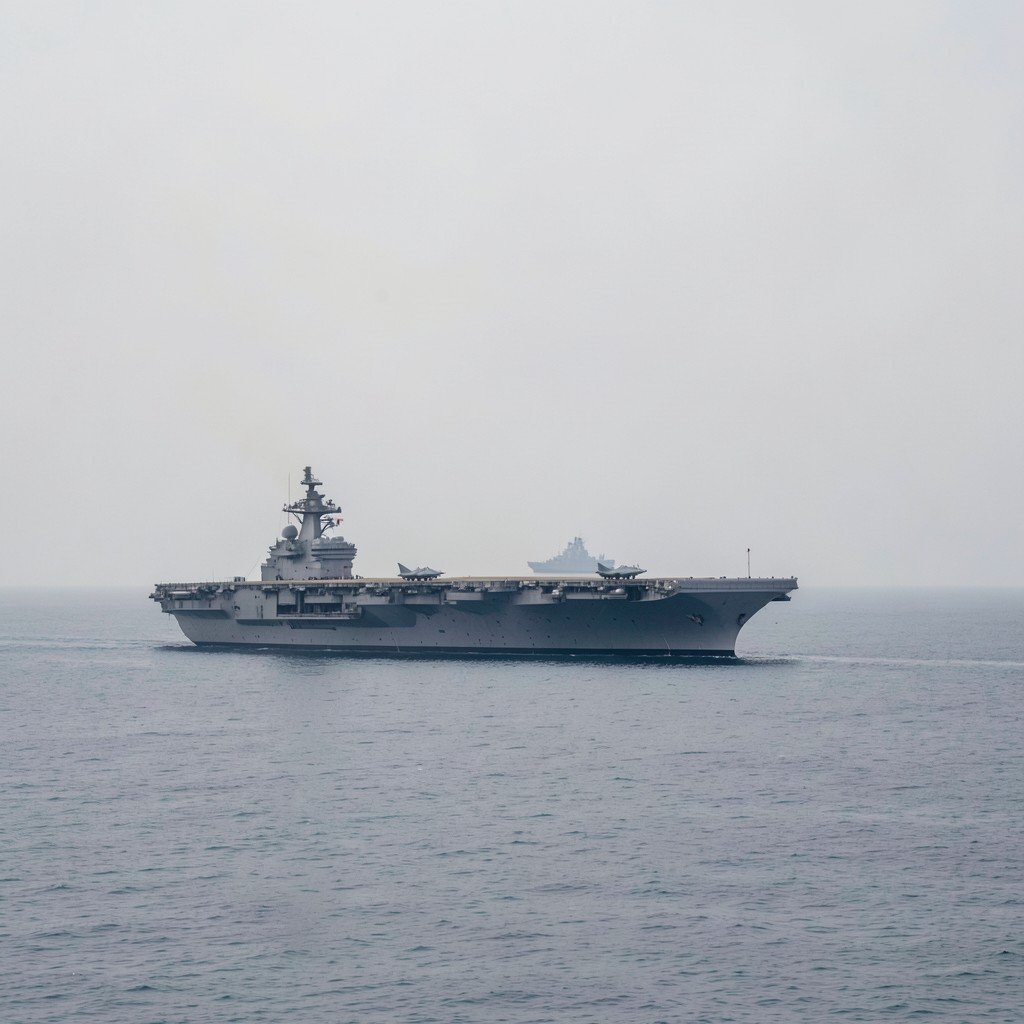
Also on July 5, the British military said a cargo ship was attacked off the coast of Hodeidah, with no injuries reported. No group claimed responsibility, but the incident occurred near an area under Houthi control and amid renewed Houthi threats related to navigation. For related context on maritime incidents, see Houthis Release Disturbing Footage of Attack on Greek Oil Tanker in the Red Sea.
In al-Jawf, a tribal disturbance that began over a house dispute in Sanaa escalated after Sheikh Hamad bin Rashid bin Fadgham al-Hazmi intervened under tribal custom and was detained by the Houthis. The episode triggered an anti-Houthi tribal movement, including calls for a “tribal nakaf” mobilisation and “al-Rayyan sit-ins.”
A political dispute has also emerged over flights to Sanaa airport after an Iranian aircraft arrived on July 3 to take a Houthi delegation to attend the funeral of the late Iranian Supreme Leader Ayatollah Ali Khamenei. The internationally recognised government later rejected Iran’s request to operate a Mahan Air flight from Tehran to Sanaa to return the delegation, proposing instead that they travel on a Yemenia Airways-chartered aircraft.
On July 10, Hadi Haig, head of the government negotiating team on the prisoners and abductees file, said the team was notified by the International Committee of the Red Cross (ICRC) and the UN envoy’s office that the Houthis refused to implement a prisoner exchange on the scheduled date and had postponed it indefinitely. The Houthis’ Prisoners Affairs Committee head Abdulqader al-Murtada blamed the government side, accusing it of failing to meet the agreement’s terms and refusing to add names.