


Ebola Virus: Why Outbreaks Still Alarm Health Officials
features

Ebola Virus: Why Outbreaks Still Alarm Health Officials

By Editorial TeamJul 2, 2026 · 8:12 AM3 min read
Editorial Team
Editorial Team

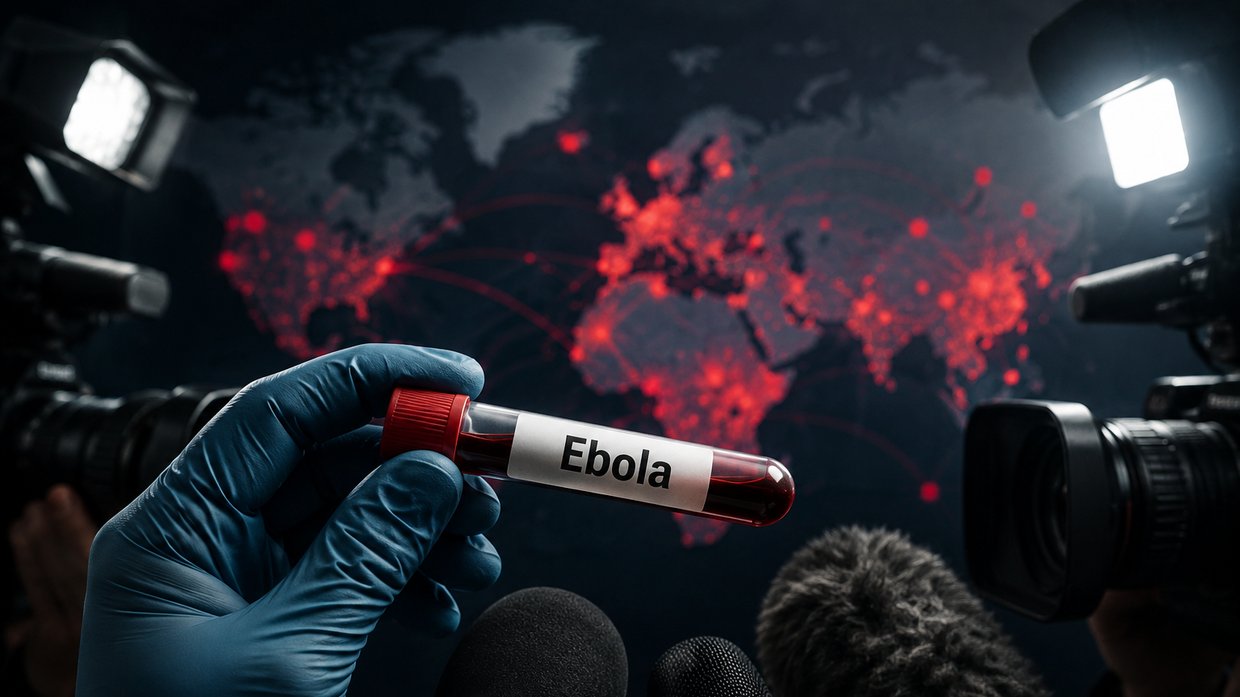
Ebola remains one of the world’s most closely watched infectious diseases because it can spread through direct contact with bodily fluids, cause severe illness, and trigger deadly outbreaks when detection and isolation are delayed, according to Voice of Urdu. Health agencies typically respond by tracing contacts, isolating cases, and applying strict infection-control measures to prevent further transmission.

The concern is not only Ebola’s high fatality risk in severe cases, but also the speed at which Ebola outbreaks can grow in settings with limited medical resources and the danger posed to frontline healthcare workers without proper protective equipment, Voice of Urdu. reports. Understanding Ebola transmission and what stops it is central to limiting outbreaks and preventing wider spread.

Key developments

  • Voice of Urdu. explains that Ebola is transmitted through direct contact with the blood or bodily fluids of an infected person, as well as contact with contaminated materials.

  • The report notes that early identification, rapid isolation of suspected cases, and treatment in controlled settings are critical to reducing transmission.

  • Contact tracing and monitoring of people who may have been exposed are described as key tools used to break chains of infection.

  • Voice of Urdu. highlights that healthcare settings can become major points of spread if strict infection prevention and control procedures are not followed.


Context and background

Voice of Urdu. frames Ebola as a recurring public-health threat that draws international attention because outbreaks can be difficult to manage when they occur in regions with strained health systems. The report emphasizes that fear around Ebola is linked to the disease’s severity and the operational challenges of controlling spread once transmission begins.

For more reporting from Voice of Urdu., see Google settles $5 billion lawsuit over 'private mode' surveillance.

Details and evidence

  • Transmission risk is concentrated around close physical care of sick patients and handling of bodily fluids, Voice of Urdu. reports.

  • Preventive measures outlined include protective equipment for healthcare workers, safe handling of contaminated materials, and strict hygiene protocols.

  • Voice of Urdu. notes that outbreak control relies on coordinated public-health actions, including identifying cases, tracing contacts, and ensuring safe care practices.

Current status / What happens next

According to Voice of Urdu., continued vigilance, rapid detection of suspected cases, and sustained infection-control practices remain central to preventing Ebola outbreaks from expanding. Public-health responses typically focus on surveillance, isolation protocols, and monitoring of exposed contacts to stop further spread.

MORE LIKE THIS

Comments (0)

Leave a comment

A verified Gmail account is required to post comments.

No comments yet. Be the first to share your thoughts!