Gaza Healthcare System Collapses: Dialysis Fails, Amputees Wait
news

Gaza Healthcare System Collapses: Dialysis Fails, Amputees Wait

By Editorial TeamJul 30, 2026 · 6:26 AM4 min read
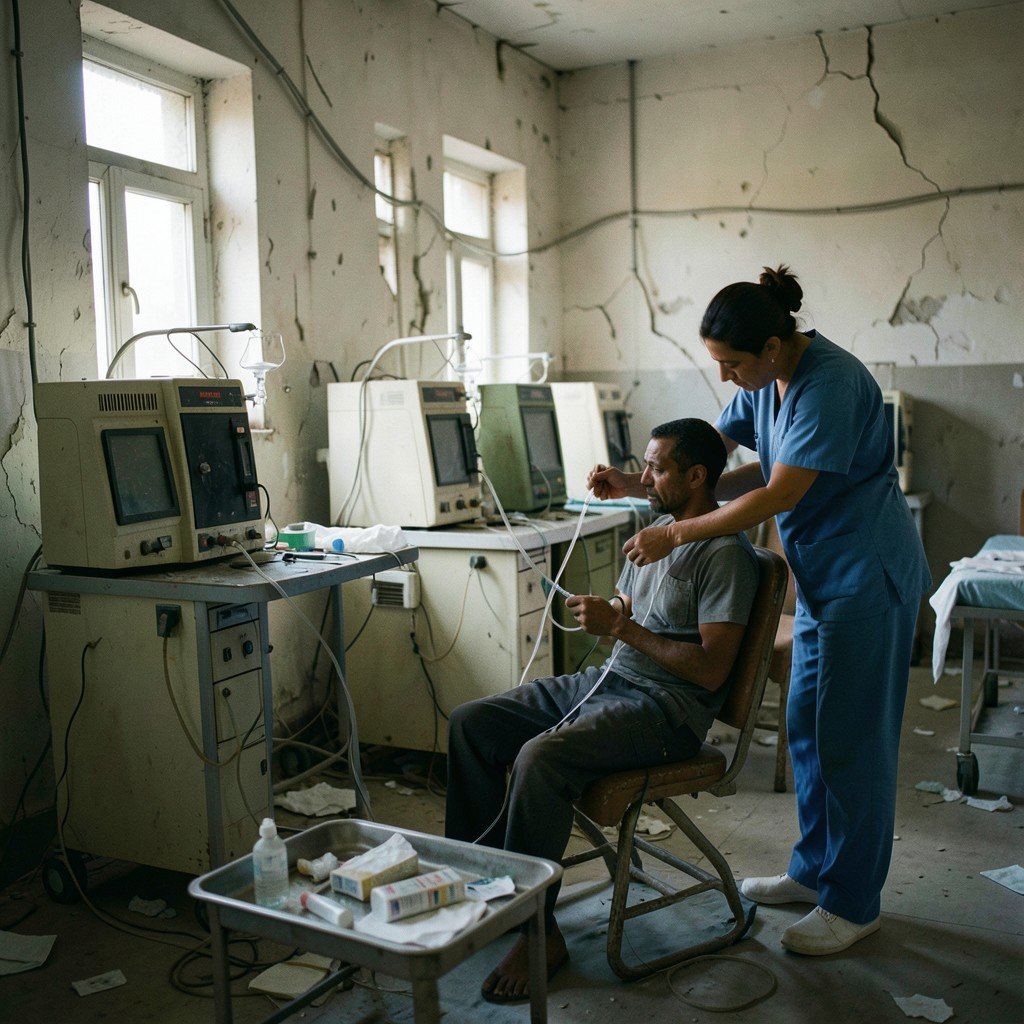
AI-generated representative image: A patient receives dialysis treatment in a damaged Gaza hospital ward where many machines have stopped functioning amid sever
Editorial Team
Editorial Team
Half of dialysis machines out of service, thousands need prosthetics, and mental health services buckle under war strain

Gaza's healthcare system is disintegrating under the cumulative pressure of war, equipment shortages and restrictions on medical supplies, leaving kidney failure patients without adequate dialysis, thousands of amputees waiting for prosthetics, and a population grappling with widespread psychological trauma.

According to the Palestinian Ministry of Health, 50 percent of dialysis machines across the enclave have stopped working. More than 470 kidney failure patients have died since the war began due to missed treatment sessions and medication shortages, while the World Health Organization (WHO) estimates between 5,000 and 6,000 amputees remain in need of rehabilitation and mobility aids.

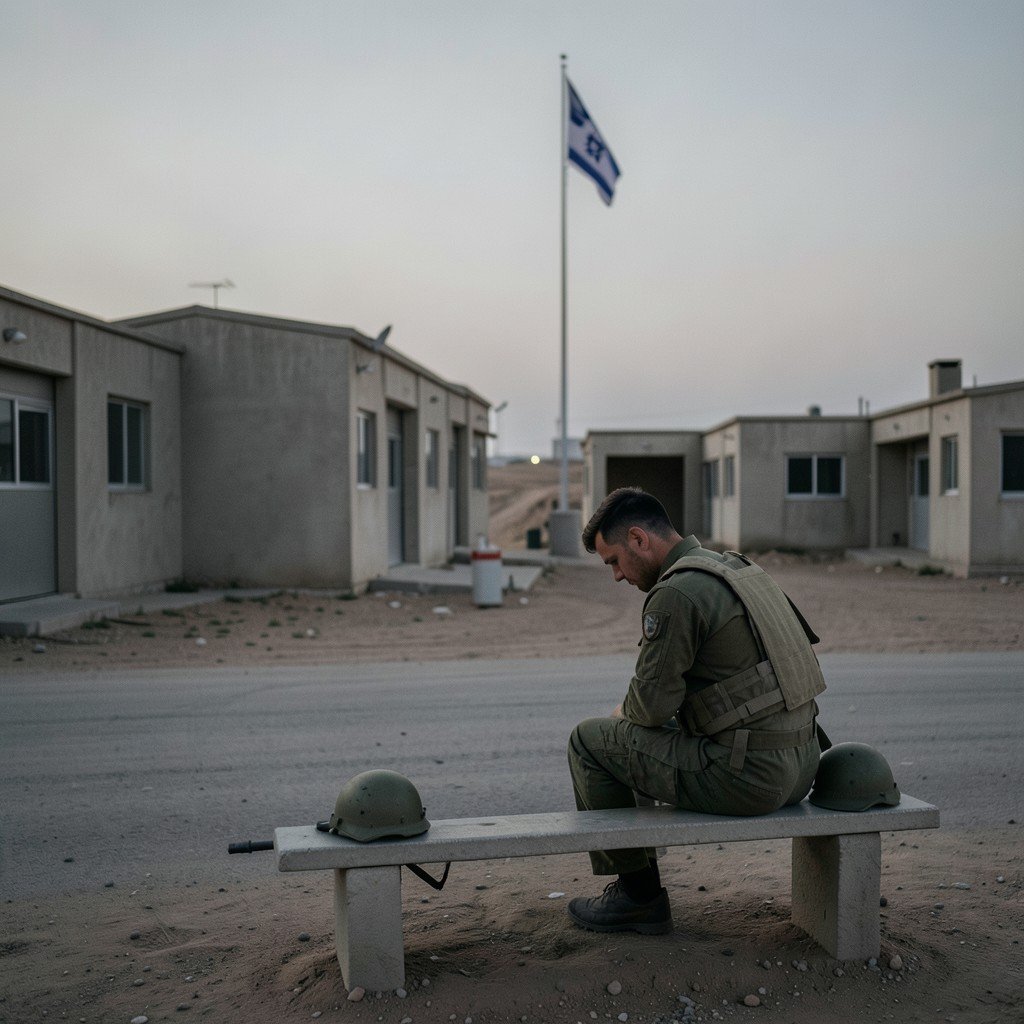
The collapse extends beyond physical medicine into a deepening mental health emergency. Psychologists report widespread depression, anxiety, post-traumatic stress disorder and childhood behavioural disorders across the displaced population, even as mental health workers themselves operate under constant psychological pressure with limited resources and difficult access to patients.

The crisis reflects the compounded effect of repeated attacks on medical facilities, severe import restrictions and nearly three years of war that have left more than 43,000 people with what the WHO describes as "life-changing" injuries.

Critical Shortages Across the Medical Sector

  • Only four of Gaza's seven hospitals equipped for kidney failure treatment remain operational. The Noura al-Kaabi Dialysis Centre was destroyed by Israeli forces during the war.
  • At Al-Aqsa Hospital in central Gaza, 25 of 51 dialysis machines are completely out of service, forcing reduced session frequency and duration for 240 patients.
  • The pre-war patient population of 1,200 kidney failure patients has fallen to approximately 700, with more than 470 deaths attributed to missed dialysis and medication shortages, according to the Palestinian Centre for Human Rights.
  • Rehabilitation centres across Gaza cannot meet demand for prosthetics, wheelchairs and crutches, with physiotherapists reporting that many patients wait for long periods and some receive nothing at all.

How War Dismantled Gaza's Medical Infrastructure

Israel's military campaign has systematically degraded Gaza's healthcare capacity through direct attacks on hospitals, including al-Shifa Hospital in Gaza City, and stringent controls on what goods can enter the territory. The shortage of sodium bicarbonate, essential for operating dialysis machines, has been a primary driver of the kidney treatment crisis.

The WHO has classified more than 43,000 war-related injuries as life-changing, with severe limb trauma leading to thousands of amputations and permanent disabilities. For those who survive initial treatment, the path to rehabilitation is blocked by a severe deficit of basic mobility aids. Physiotherapist Aya al-Shaltouni, working in Khan Younis, said the shortage does not only cause physical suffering but fundamentally alters a patient's life trajectory, as treatment plans cannot achieve results without proper assistive tools.

Patients and Practitioners Describe the Toll

At al-Shifa Hospital, 14-year-old Ruwaa Muntasir Abdul Karim from Jabalia has seen her weight drop from 65kg to 35kg as her weekly dialysis sessions fell from three to two. A kidney transplant is medically viable, with her mother confirmed as a matching donor, but her application to travel abroad for the procedure has been pending Israeli approval for six months.

Osama Abu Rahma, head of the kidney department at Al-Aqsa Hospital, reported rising medical complications among patients, including general weakness, heart and lung problems, and dangerously elevated blood potassium levels. In the mental health sector, psychologist Asil Abu Shaweesh, 27, described widespread disorders ranging from insomnia and panic attacks in adults to bedwetting, aggressive behaviour and recurring nightmares among children. She noted that mental health workers face constant psychological pressure, lack of safety and a shortage of resources while struggling to reach patients.


Ongoing Needs and Uncertain Prospects

Zaki Jumaa Salem Abu Harb, a 60-year-old farmer who lost a leg in March 2025, recently received a prosthetic limb after months of waiting, but acknowledged that most of Gaza's estimated 5,000 to 6,000 amputees remain without mobility aids. Many rely on tree trunks or pieces of wood to move.

The Palestinian Ministry of Health and international organisations continue to document the crisis, but with border restrictions in place and infrastructure destroyed, the gap between medical need and available care continues to widen across all sectors of Gaza's health system.

MORE LIKE THIS

Comments (0)

Leave a comment

A verified Gmail account is required to post comments.

No comments yet. Be the first to share your thoughts!